Why ‘Melissa’ Feels Like a Gothic Tragedy
The meaning of Melissa Mercyful Fate starts with loss, but it quickly grows into something bigger: a story about love, ritual, persecution, and revenge. Rather than sounding like a simple horror tale, the song feels like a mourning scene staged inside a black-metal chapel before black metal even existed.
"Melissa" - Mercyful Fate
I'm kneeling in front of the altar
Satan's cross upon the wall
Loading lyrics...
Unable to load lyrics
We're unable to display the lyrics at this time. Please try again later.
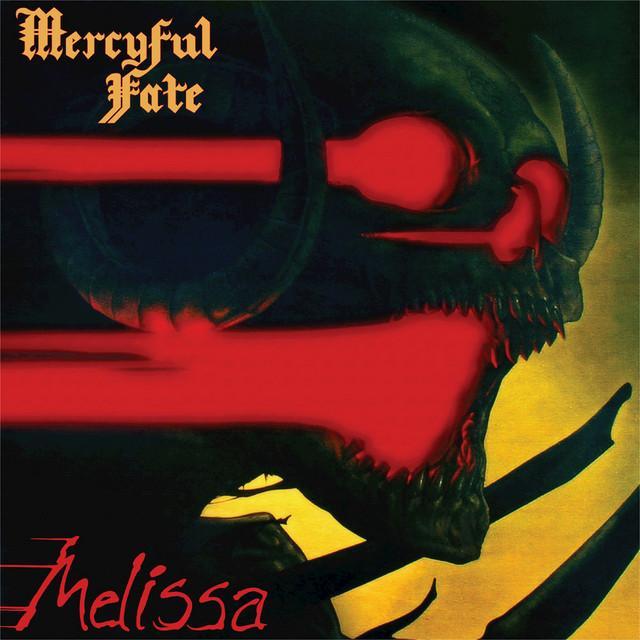
Mercyful Fate built their early reputation on occult imagery and dramatic storytelling, especially around King Diamond’s unmistakable voice and the twin-guitar attack of Hank Shermann and Michael Denner. “Melissa” closes the band’s 1983 debut album of the same name, which helped define early extreme metal’s theatrical edge through a mix of heavy metal, proto-thrash energy, and satanic symbolism.
The Heart of the Story Is Grief
At its core, the song follows a narrator standing in a ritual space, speaking to someone who is gone. The opening images place them at an altar with occult symbols, which immediately frames their mourning inside Mercyful Fate’s dark world.
Then the song makes the relationship plain. Melissa is remembered not as a casual lover, but as a source of guidance and emotional meaning. When the narrator calls her my light
and later queen of the night
, they are saying she brought both comfort and identity.
Interpretation: The song’s emotional center is not shock value. It is devotion after death. The occult setting matters because it turns ordinary grief into a forbidden ritual.

Watch the official Melissa
music video
A Love Song Twisted by Persecution
The middle of the lyric gives the story its tragedy. Melissa is identified as a witch
, and the narrator asks why she was taken away. That line points toward a punishment carried out by religious or social authority, not by fate alone.
Later, the lyric mentions outside at the stake
, which strongly suggests execution by burning. The song never needs to explain every detail because that one image carries centuries of meaning in Western culture: fear, accusation, and punishment aimed at women seen as dangerous or different.
In plain terms, the narrator believes Melissa was destroyed by people who claimed moral authority. That belief transforms sorrow into rage.
Why the Priest Matters So Much
The song’s most direct target is the priest. Instead of blaming illness, war, or random loss, the narrator names a human enemy and swears revenge. This sharp turn is why “Melissa” feels more violent than sad, even though sadness drives it.
The priest stands for more than one person. He represents judgment, religious power, and the crushing of anything called heretical. In a Mercyful Fate song, that conflict is especially pointed because the band often flipped Christian imagery upside down to challenge fear-based authority.
Interpretation: The revenge vow can be read literally within the story. It can also be read symbolically, as a refusal to accept the moral system that condemned Melissa in the first place.
The Chorus Turns Mourning Into Invocation
When the narrator asks can you hear me?
and are you there?
, the song shifts from memory to attempted contact. That matters because the singer is not only remembering Melissa; they are trying to reach beyond death.
This makes the chorus feel like an invocation. It sits halfway between prayer and séance. In most songs, a repeated name creates romance or longing. Here, repetition sounds desperate, almost ceremonial.
Melissa, can you hear me?
Melissa, are you there?
Those two short lines show the song’s deepest need: not just justice, but connection. Revenge may be the loudest emotion, but separation is the wound underneath it.
Sound and Performance Do Half the Storytelling
A big part of the meaning of Melissa Mercyful Fate comes from the music itself. The guitars do not simply support the lyric; they widen it. The riffs move with a slow, stalking weight, while the melodic leads create a ghostly pull around the vocal line.
King Diamond’s singing is crucial here. He moves between haunted restraint and sharp, theatrical peaks, which makes the narrator sound unstable with grief. Instead of presenting emotion in a naturalistic way, the performance magnifies it into ritual drama.
That is why the song lands so strongly with metal fans. It is mournful, but never soft. The arrangement lets grief keep its fangs.
The album context adds meaning
Because “Melissa” closes the album Melissa, it feels like a final descent into the band’s world rather than just another track. Ending on this song leaves the listener with sorrow, blasphemy, and unresolved fury all at once.
That placement matters. The album often uses occult images for provocation and atmosphere, but this song gives those images a personal cost.
Two Strong Ways to Read the Song
There are at least two convincing readings:
- Literal reading: The narrator lost a lover accused of witchcraft and executed by religious authorities.
- Symbolic reading: Melissa stands for a banned belief, identity, or form of freedom destroyed by repression.
Both readings fit the text. The first explains the direct story, while the second explains why the song still connects beyond its horror setting.
Why “Melissa” Still Connects
What keeps the song alive is its mix of intimacy and theater. It is huge in style, but simple in feeling: someone loved, someone lost, someone blamed.
That is the real meaning of Melissa Mercyful Fate. Under the occult décor and revenge fantasy, the song is about what happens when love is treated as a crime and grief becomes a dark vow.
Disclaimer: This interpretation separates clear lyrical details from informed reading. As with many Mercyful Fate songs, some meanings remain open to listener interpretation.








