Why Merle Haggard Turns a Hangover Into a Love Song
For anyone searching for the meaning of It's Been A Great Afternoon Merle Haggard, the short answer is simple: it is a funny, warm country song about a rough morning that turns into a tender, memorable day. Merle Haggard takes a common setup—too much partying the night before—and uses it to show something sweeter underneath. The real story is not just about drinking. It is about comfort, attraction, and the kind of closeness that survives the mess.
"It's Been A Great Afternoon" - Merle Haggard
Nippin' on tequila and suckin' on limes
Sunrise chased the good time away
Loading lyrics...
Unable to load lyrics
We're unable to display the lyrics at this time. Please try again later.
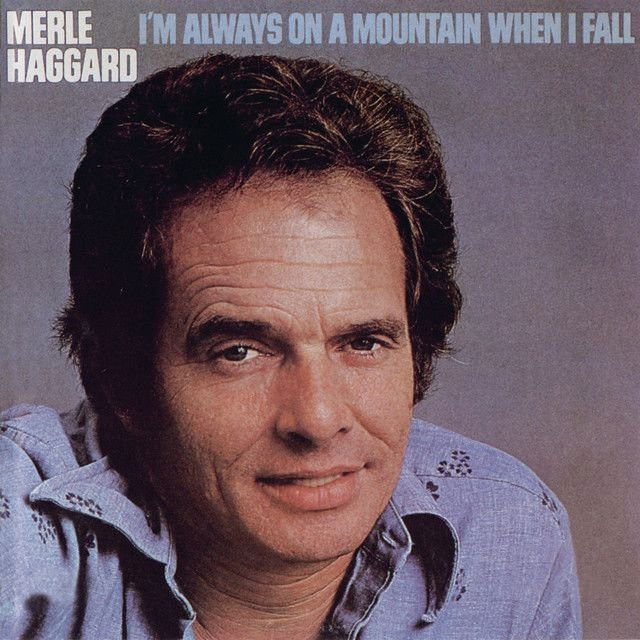
Released in 1978 as a single from I'm Always on a Mountain When I Fall, the song became a major hit, reaching No. 2 on Billboard’s Hot Country chart and No. 1 in Canada. That success makes sense. It sounds casual and easy, but its emotional trick is smart: Haggard turns a bad start into a small celebration of romance.
The Joke Hides the Heart
On the surface, the song opens with a classic country-night aftermath. The narrator admits they had a wild time, and the next morning feels awful. Phrases like hell raisin' time
and poundin' in the top of my head
make the scene vivid without making it heavy. This is not a moral drama. It is a lived-in comedy.
But Haggard quickly shifts the focus. The important part is not the hangover. It is the person beside the narrator, who helps them through it. When the song lands on great afternoon
, that line works as more than a punch line. It shows that care, flirtation, and recovery can turn a lousy morning into a day worth remembering.

Watch the official It's Been A Great Afternoon
music video
A Day in Three Moves
The lyric unfolds almost like a short film, and each part deepens the song’s meaning.
First: The night before catches up
The opening frames the damage from a party that ran too hard and too late. Sunrise ends the fun, and the morning feels impossible. The narrator even suggests that saying hello too cheerfully would be wrong. That detail matters because it gives the song its human tone. They are not grand or poetic. They are simply hurting.
Second: Someone steps in with care
The emotional center arrives when the partner helps the narrator through the worst of it. The key action is summed up in nursed me through the morning
. That phrase changes the song from barroom humor to relationship portrait. Affection is shown through action, not speeches.
I can't say we've had a good morning
But babe it's been a great afternoon
Those lines are the song’s full turn. They admit the pain, then replace it with gratitude and pleasure.
Third: Recovery becomes romance
The afternoon drink, hinted at with one rowdy afternooner
, gets the narrator moving again. Some listeners may hear that as a joke about hair-of-the-dog drinking. Others may hear it more broadly as the spark that gets the mood back. Either way, the point is not the alcohol itself. The point is renewed connection.
What the Chorus Really Means
The chorus is catchy because it flips expectations. Most songs about a rough night lead to regret. Haggard chooses appreciation instead. He does not deny the consequences of the night before. He just refuses to let them have the final word.
Interpretation: that is why the title line feels so charming. It suggests that love is not always candlelight and perfect timing. Sometimes it looks like patience, laughter, and making it to the better part of the day together.
This also fits Haggard’s wider writing style. Across his career, documented by the Encyclopaedia Britannica, they often wrote with plain speech, working-class detail, and emotional directness. Even when the setup is funny, the feelings underneath are real.
Sound That Keeps It Light
Musically, the song supports that relaxed meaning. It runs under three minutes, moves at an easy country pace, and avoids big dramatic gestures. The band sounds loose but controlled, giving the track a lived-in barroom warmth. That matters because a darker arrangement could have made the lyric feel grimy or sad. Instead, the production keeps it bright.
The vocal is key too. Haggard sings with a grin in their phrasing, especially when the line endings lean into the joke. That delivery tells listeners not to hear the scene as collapse, but as storytelling. According to available release data, the track was produced by Merle Haggard, Fuzzy Owen, and Hank Cochran, and that clean, unfussy approach helps the song land its balance of wit and affection.
Themes Beneath the Surface
Several themes carry the song beyond its comic premise:
- Aftermath: actions have consequences, even after a fun night.
- Caregiving: tenderness appears in simple acts of help.
- Romantic ease: chemistry grows through shared experience.
- Redemption of a bad day: a rough start does not ruin everything.
There is also a strong country-music theme here: imperfect people finding grace in ordinary life. The narrator is not heroic. They are hungover, needy, and a little ridiculous. Yet the song treats that situation with warmth instead of shame.
A Few Smart Alternate Readings
Interpretation: One reading is that the song is mainly a comedy single, built around a neat one-line twist. That is fair, especially given its breezy structure and repeated hook.
Interpretation: Another reading is that it is quietly about dependable love. The partner does not judge, preach, or leave. They stay, help, and turn the day around. In that version, the afternoon is “great” because it proves the relationship has depth.
Both readings can be true at once. That double effect is part of why the song has lasted.
Why the Song Still Works
The meaning of It's Been A Great Afternoon Merle Haggard endures because the song understands a basic truth: bad mornings and good relationships often happen in the same life. Haggard makes room for both. They laugh at the headache, appreciate the person who stays, and end on a note of gratitude instead of regret.
That is what gives the song its charm. It is funny, yes, but it is also generous. Interpretation: beneath the hangover joke, Haggard is really singing about how love can redeem an ordinary, messy day.
Disclaimer: This interpretation blends documented facts about the song’s release and chart history with critical reading of the lyrics, performance, and production. Meaning can vary from listener to listener.








