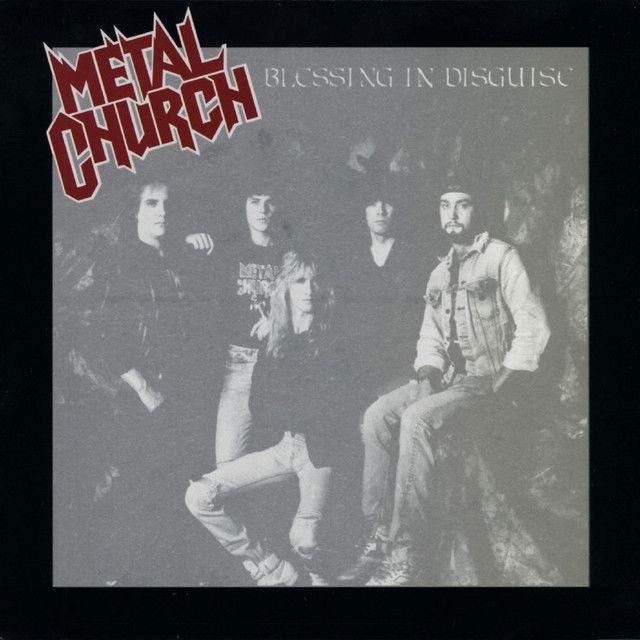
Fake Healer by Metal Church
A Metal Song With a Scalpel Out
The meaning of Fake Healer Metal Church comes through fast: this is a protest song about greed hiding behind authority. Instead of showing a caring doctor, Metal Church create a narrator who sees sick people as income. They present a figure who talks like a professional but thinks like a predator.
"Fake Healer" - Metal Church
Of terminal disease
You won't know the difference
Loading lyrics...
Unable to load lyrics
We're unable to display the lyrics at this time. Please try again later.
That idea fits the band’s wider history. Metal Church, founded by Kurdt Vanderhoof, built a reputation for heavy music that often reached beyond fantasy and into social tension, political pressure, and human fear, according to widely cited band histories and discographies. “Fake Healer” opened Blessing in Disguise in 1989 and also received radio play, even without a video.
Watch the official Fake Healer
music video
What the Lyrics Are Really Saying
At its core, the song attacks the business side of healing when it loses its moral center. The speaker openly admits that fear is useful. Early on, they prey on panic about illness and use treatment as leverage.
Short phrases like morbid fear
, time for surgery
, and another test
show a cycle of anxiety, procedure, and payment. The lyrics suggest that the patient does not fully understand what is necessary, which deepens the imbalance of power.
Interpretation: The song is not just about one bad doctor. They may be using one villain to represent a larger system where wealth can shape care. That reading becomes stronger when the narrator talks about cards, bills, insurance, and bloodwork as if they are parts of the same machine.
The Villain Speaks for Himself
One of the smartest things in the writing is the point of view. Instead of criticizing corruption from the outside, the song lets the corrupt figure confess. They boast, threaten, and justify themselves without guilt.
That makes the repeated line I'm a healer
feel deeply ironic. In plain language, the speaker claims a noble identity while acting like a salesman. The line is simple, but each verse makes it darker.
Here is the one moment where the song says its thesis most clearly:
If you can't afford my service
I will let you die
Those words strip away any pretense. The song no longer hints at greed; it states that money decides who is worth saving.
How the Story Builds Its Anger
The verses move in a clear pattern:
- The speaker identifies fear.
- They prescribe treatments and tests.
- They shift attention to payment and liability.
- They reveal luxury and status as the real reward.
That structure matters. The first verse sounds manipulative. The second sounds bureaucratic. By the third, the song becomes openly cruel, with images of yachts, stretchers, and bank approval.
Short phrases such as pay your bill
and bank a call
tie care directly to money. The song’s outrage comes from how calmly the narrator says these things. They do not sound ashamed. They sound normal. That is what makes them frightening.
Symbols of Power, Paperwork, and Profit
The lyrics use plain objects instead of abstract poetry, and that makes the message stronger. There are pills, tests, credit cards, insurance forms, and a diploma on the wall. These are signs of legitimacy, but the song twists them.
The diploma suggests respectability. The affidavit and insurance reference suggest legal protection. The yacht suggests excess. Put together, they create a portrait of someone protected by status while patients carry the real risk.
Interpretation: The healer may stand for any institution that turns suffering into revenue. Even though the song uses medical imagery, its broader theme is exploitation by experts who are trusted because they look qualified.
Why the Music Feels So Harsh
“Fake Healer” works because the sound matches the message. By 1989, Metal Church had evolved from their early thrash-and-speed attack into a style that was still heavy but also more controlled and melodic. That balance helps this song. The riffs hit hard, but they are tight and disciplined, like the cold confidence of the narrator.
The guitars drive the track with pressure rather than chaos. The rhythm section keeps things moving like machinery, which suits a song about a system grinding people through procedures. Mike Howe’s vocal performance is key too. He does not sound soft or sympathetic. They deliver the lines with force, which makes the sarcasm land.
Because this was the opening track on Blessing in Disguise, it also sets a tone. It throws the listener into confrontation right away. That choice suggests the band wanted the album to begin with a social critique, not an escape.
Why the Song Still Connects
Part of the meaning of Fake Healer Metal Church is how current it still feels. Even listeners who do not read it as a direct statement about modern healthcare can recognize the fear underneath it: what happens when survival depends on money and trust is abused?
The song also lasts because it avoids being overly complicated. The villain is clear. The language is direct. The chorus is memorable. That simplicity gives the message punch.
It also fits Metal Church’s place in heavy metal history. The band were known not only for power and technical skill, but also for using metal to channel anxiety and criticism. “Fake Healer” is one of their clearest examples of social commentary shaped into a compact, aggressive song.
Final Take on the Song’s Meaning
In the end, “Fake Healer” is about false care. It exposes a person, and possibly a whole system, that uses the language of healing while serving profit first. The song’s cruel narrator, sharp irony, and disciplined heaviness all point to the same warning: authority without ethics becomes predatory.
That is the strongest reading of the track, though song interpretation can vary from listener to listener.







