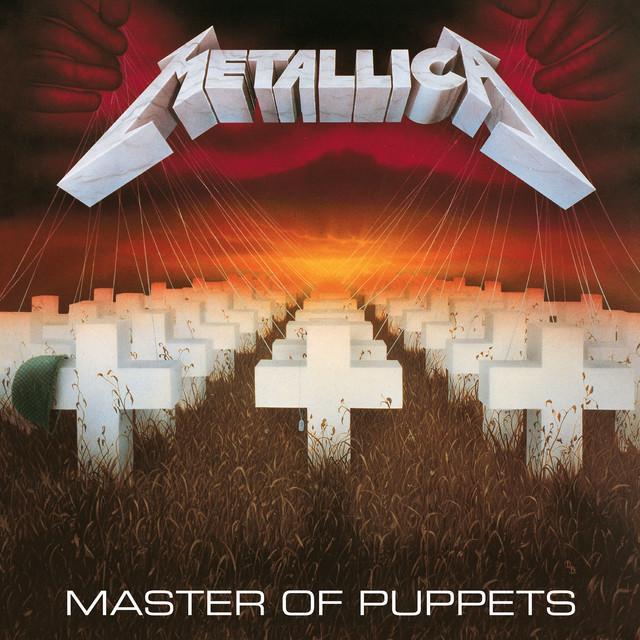
Master Of Puppets by Metallica
They still ask what the meaning of Master Of Puppets Metallica is, because the song sounds like a fist and reads like a warning. Its hook is unforgettable, but its real punch comes from who is speaking—and why.
"Master Of Puppets" - Metallica
I'm your source of self-destruction
Veins that pump with fear, sucking darkest clear
Loading lyrics...
Unable to load lyrics
We're unable to display the lyrics at this time. Please try again later.
Addiction Wearing a Crown
The central idea is control. Most listeners and critics agree the “master” is addiction personified, baiting and ruling the user. James Hetfield has said in interviews that the track is about drugs taking over, not the other way around. The opening line, I'm your source of self-destruction
, sets the terms: the substance promises power while delivering ruin.
From the first verse, the narrator seduces and threatens. They hype fear, offer relief, and start a loop of craving. The song’s title image—puppets and strings—turns addiction into theater. The user is reduced to movement without will; the master controls the tempo.
Watch the official Master Of Puppets
music video
Who’s Talking—and To Whom?
The verses are voiced by the “master,” speaking directly to the user. Orders like Come crawling faster
and Obey your master
sound like a drill sergeant, but the scariest part is the intimacy. The drug knows the user’s rhythms and weaknesses.
Midway, the perspective wobbles. The user realizes they were sold a lie, summed up by the bitter admission you promised only lies
. For a moment, the spell seems to crack—but not for long.
The Contract Hiding in the Chorus
The chorus reveals the trap in plain language:
Master of puppets, I'm pulling your strings Twisting your mind and smashing your dreams
Those two lines work like a contract the user didn’t read. They map the cycle: manipulate thought, erase hope. The command to “call my name” turns dependency into a reflex; in crisis, the user summons the very thing destroying them.
Symbols and Street-Level Details
Metallica ground the metaphor in gritty images. The line Chop your breakfast on a mirror
points to cocaine rituals—routine, daily, and destructive. “Needlework,” “maze,” and “numbered days” widen the picture to addiction of many kinds: opiates, alcohol, even power. The mockery and laughter paint the master as cruel, not just controlling.
A chilling promise—I will help you die
—pushes the metaphor to its end state. The master doesn’t just use; it consumes. Even the title “Master” is important. It suggests a relationship the user accepts, like signing away freedom for comfort, speed, or status.
How the Sound Tells the Same Story
Production shapes the message. Produced with Flemming Rasmussen for their 1986 album, Master of Puppets, the track moves like a machine: tight, downpicked riffs and relentless drums create a feeling of being driven. James Hetfield’s rhythm guitar locks the groove like a conveyor belt, while Lars Ulrich’s accents feel like jolts from the master’s hand.
Then comes the clean, harmonized interlude—one of Metallica’s most famous detours. For a brief span, tone softens and melody blooms. It’s a fragile clarity, maybe memory or remorse. When the distortion slams back, it feels like relapse. Cliff Burton’s musicality is key here; his sense of harmony helps the interlude ache instead of merely pause. The final tempo lift and stacked riffs sound like the master tightening the strings to the breaking point.
Narrative in Three Beats
- Seduction: The master flatters, promises control, and offers instant relief.
- Realization: The user recognizes betrayal—dreams are gone, autonomy traded.
- Submission: The master reclaims power; the cycle resumes, now darker and faster.
Each stage lines up with the arrangement: hard charge, calm eye of the storm, then a harsher return.
Alternate Readings That Still Fit
Interpretation: Some hear a broader critique of manipulation—abusive partners, corporations, or authoritarian leaders. The language of command, mockery, and loss of dreams suits any system that feeds on people. Yet the specific details of mirrors and needles, plus the band’s own comments, keep addiction as the most grounded reading.
Why It Endures in U.S. Culture
Beyond speed and volume, this song endures because it names a common human pattern: surrendering control to something that feels good in the moment. The band’s precision turns that pattern into sound. The result is cathartic and cautionary—an anthem that also points a finger.
Takeaway
If listeners want the meaning of Master Of Puppets Metallica distilled, it’s this: a charismatic “master” sells strength while stealing freedom. The riffs make that bargain feel thrilling. The lyrics reveal its cost.
Disclaimer: Song interpretations are subjective. This article blends documented context with informed analysis.
Sources
- https://www.rollingstone.com/music/music-news/metallicas-master-of-puppets-10-things-you-didnt-know-119128/
- https://www.metallica.com/releases/albums/4261/master-of-puppets.html
- https://www.loudersound.com/features/flemming-rasmussen-on-recording-metallicas-master-of-puppets
- https://www.allmusic.com/album/master-of-puppets-mw0000194080









