Why "The Unforgiven II" Still Feels Trapped
The meaning of The Unforgiven II Metallica comes down to a painful contradiction: they present a speaker who deeply wants love, but cannot stop guarding against hurt. That tension makes the song feel intimate and threatening at the same time.
"The Unforgiven II" - Metallica
And speak the words I wanna hear to make my demons run
The door is locked now but it's open if you're true
Loading lyrics...
Unable to load lyrics
We're unable to display the lyrics at this time. Please try again later.
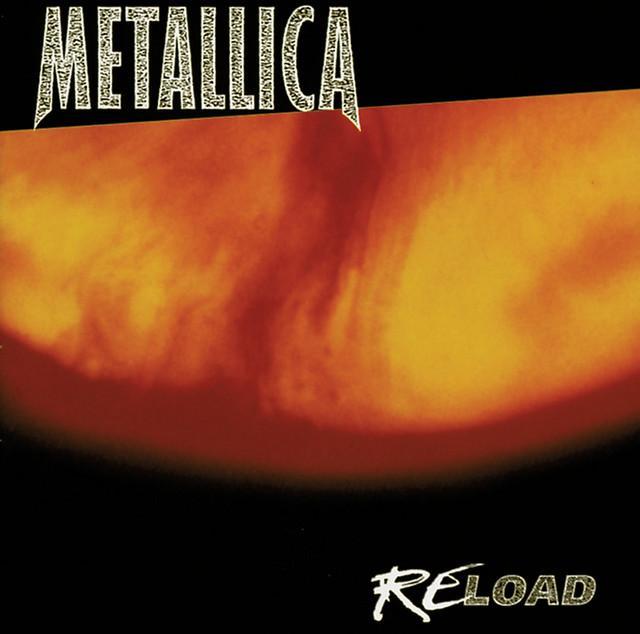
Released on ReLoad in 1997, the track was written by James Hetfield, Lars Ulrich, and Kirk Hammett. It was designed as a sequel to 1991's "The Unforgiven," with shared musical and lyrical motifs, including the recurring door-and-key imagery and even a similar opening gesture, as noted by Songfacts.
The Heart of the Song Is Fear of Closeness
On the surface, the song sounds like a plea for comfort. The narrator asks someone to stay near, speak gently, and understand their pain. But every invitation comes with suspicion. Even when they ask for intimacy, they act like betrayal is already waiting.
That is why short phrases like door is locked
and open if you're true
matter so much. They suggest that trust is possible, but only under impossible conditions. The narrator wants proof before vulnerability, which is often how wounded people protect themselves.
Interpretation: the song is not just about romance. It is about what trauma does to the ability to receive love at all.
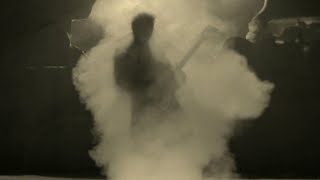
Watch the official The Unforgiven II
music video
How the Sequel Changes the Story
The first "Unforgiven" focused on a person shaped by pressure, control, and emotional damage. "The Unforgiven II" feels older and more active. Instead of only describing pain, it shows someone deciding what to do with that pain.
James Hetfield reportedly summed up the song's meaning in a blunt way: Forgiving no one and ending up alone
, as quoted by Songfacts. That line is useful because it cuts through the plot debates. Whether listeners hear heartbreak, revenge, or emotional shutdown, the result is the same: bitterness becomes a prison.
A quick story map
- The narrator asks for closeness.
- They reveal deep emotional damage.
- They question whether another person can truly understand them.
- The relationship darkens into distrust.
- The ending suggests total closure, not healing.
The Chorus Turns Pain Into Identity
The repeated lines around what I've felt
and stand alone
make the chorus feel like a statement of identity. The narrator is no longer just describing an emotion. They are building a self-image around suffering, memory, and isolation.
Then comes the title question: is the other person unforgiven too
? That matters because it shifts blame outward. The speaker may be asking whether the other person is wounded in the same way, but they may also be accusing them of becoming part of the same cycle.
Interpretation: this is one reason the song feels morally gray. It does not present a pure victim or a pure villain. It suggests that pain can spread from one person to another.
Doors, Keys, Darkness, and Sunlight
The song's symbols are simple, but they carry a lot of weight.
The door and key
These likely represent emotional access. If the heart is a locked room, then love means being allowed inside. But the song keeps changing the state of that door: locked, cracked, closed, maybe open. That instability mirrors the narrator's fear.
Near the end, the image of taking the key and burying it becomes the song's hardest moment. Many listeners hear that as symbolic violence rather than a clear literal event. It can mean they are sealing off their ability to trust forever.
Darkness and the missing sun
When the song says there is no sun shining through
, it paints a world without relief. The darkness is not just weather. It suggests hopelessness, depression, and emotional numbness.
At the end, the speaker suddenly claims to see the sun. That sounds hopeful at first, but in context it feels unsettling. The new clarity may not be healing. It may be the cold certainty of choosing emotional closure.
Why the Music Makes the Meaning Hit Harder
Metallica's arrangement is a big part of why the song works. Like the original "Unforgiven," it uses a soft-to-heavy dynamic shape. Clean and acoustic textures create vulnerability, while the larger distorted sections bring force and anger. That contrast supports the song's central conflict: tenderness fighting with defense.
The vocal delivery matters too. Hetfield moves between a near-confessional tone and a more hardened attack, making the narrator sound split between need and resentment. Research summaries of the song's reception often point to these dynamics as part of what makes the sequel feel darker and more aggressive than its predecessor, while still keeping the same emotional DNA.
The Video Extends the Theme of Confinement
The official video, directed by Matt Mahurin, continues imagery linked to the first song and even revisits the same boy character at an older age, according to Songfacts. That visual continuity supports the idea that this is not a random sequel title.
The video's dreamlike rooms, barriers, and enclosed spaces match the lyrics' obsession with inner imprisonment. Instead of offering a clean narrative, it deepens the feeling that the real battle is psychological.
The Most Useful Reading
The strongest reading is also the simplest: the meaning of The Unforgiven II Metallica is about the cost of living without forgiveness. The narrator aches for connection, but cannot let go of suspicion, injury, and anger. That failure turns love into another locked room.
They may be asking another person to understand them. But the song finally suggests that unless they can release resentment, nobody gets in.
Interpretation disclaimer: song meanings are not fixed. This reading is based on the lyrics, the sequel context, documented comments about the song, and the way the music and video support its themes.








