Why 'To Live Is to Die' Hits So Hard
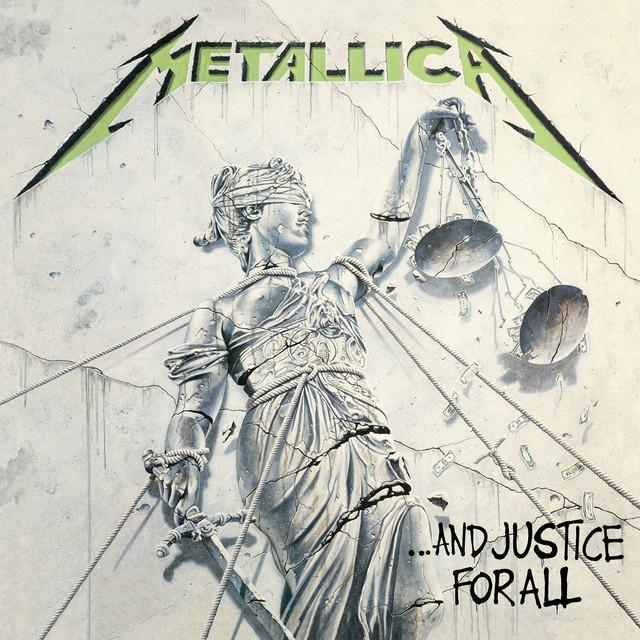
The meaning of To Live Is To Die Metallica starts with loss. On paper, it is a nearly 10-minute track from ...And Justice for All, released in 1988. In feeling, it is something heavier: a musical elegy for Cliff Burton, Metallica's late bassist, who died in a tour bus crash in 1986. The band and their listeners have long treated it as one of their rawest acts of mourning.
"To Live Is To Die" - Metallica
These are the pale deaths
Which men miscall their lives
Loading lyrics...
Unable to load lyrics
We're unable to display the lyrics at this time. Please try again later.
According to widely cited album information, the song was built from ideas Burton had written before his death and was credited to James Hetfield, Lars Ulrich, and Cliff Burton. It was produced by Hetfield, Ulrich, and Flemming Rasmussen for ...And Justice for All (Wikipedia).
A Tribute Hidden Inside an Instrumental
What makes this song unusual is how little it says out loud. Most of it is instrumental. That choice matters.
Instead of telling a story in verses and choruses, Metallica let arrangement, pacing, and tone do the grieving. The track opens with an acoustic section that feels reflective rather than aggressive. Then it grows heavier, darker, and more turbulent before landing in a spoken passage near the end.
That structure mirrors the path of grief itself:
- quiet remembrance
- rising pain and anger
- emotional collapse
- a search for peace
James Hetfield later described the song as a brief, restrained tribute, calling it an homage to Cliff
and saying it was about gratitude for their time with him, not melodrama (Songfacts). That helps explain why the song avoids sentimentality even while it is deeply sad.
Watch the official To Live Is To Die
music video
The Poem at the End Changes Everything
For most of its runtime, the song speaks through guitars. Then the spoken poem arrives and gives the track a moral and spiritual center.
The best-known line, murders some part of the world
, turns a private feeling into a larger judgment on human failure. The idea is not just that death hurts. It is that falsehood, compromise, and spiritual decay make daily life feel like a slow destruction.
The next key phrase, pale deaths
, pushes that thought further. Life without truth or purpose is described as a kind of living death. That is why the title feels so severe. Interpretation: the song suggests that mere survival is not enough; a hollow life can resemble death long before the body is gone.
The ending plea, take me home
, sounds less like defeat than release. In context, it can be heard as exhaustion with suffering and a wish for transcendence, rest, or reunion.
All this I cannot bear
take me home
Research on the song notes that these spoken lines combine material linked to Paul Gerhardt, Stephen R. Donaldson, and Burton himself, though the lyric credit on the album goes to Burton (Wikipedia; Songfacts). That blend gives the poem an old, literary, almost timeless weight.
How the Music Carries the Meaning
The emotional force of the song comes from how Metallica arrange it. The acoustic opening feels like memory: distant, fragile, almost tender. When the distortion enters, the track does not simply become heavier; it becomes burdened.
That burden suits ...And Justice for All, an album often heard as cold, complex, and angry. Critics have described this track as one of the clearest windows into the band's buried grief after Burton's death. Pitchfork's Sean T. Collins called it the album's "Rosetta Stone" and framed it as an outlet for sublimated grief, while Rolling Stone later called it a lovely tribute (Wikipedia).
There are also telling performance details. Kirk Hammett's lead work includes volume-swell textures and a blues-based solo approach in one section. He told Guitar Player that part of the solo was played almost spontaneously, late in the sessions, which gives it a human, unpolished ache rather than a calculated virtuoso shine (Songfacts).
Why the Title Feels So Bleak
The title sounds nihilistic, but the song is more complicated than that. It does not argue that life has no value. If anything, it argues the opposite: life matters so much that lies, emptiness, and loss become unbearable.
Interpretation: in that reading, To Live Is to Die
means every life carries mortality inside it. To love someone is already to risk grief. To live honestly is to face that truth instead of hiding from it.
A second interpretation is more personal. Because the song is tied so closely to Burton, the title may express the band's stunned sense that living after his death felt like carrying a wound that would not close.
The Legacy of a Song Metallica Could Barely Play
Part of the song's power comes from what happened after its release. Metallica did not perform the full piece live for many years, reportedly because of its emotional weight. Research shows the band's first full live performance came in 2011 during their 30th-anniversary shows (Wikipedia).
That long absence supports the basic reading: this was never just another instrumental. It was a memorial.
For listeners, the meaning of To Live Is To Die Metallica lies in how it turns grief into form. They begin with memory, move through pain, and end at the edge of surrender. The song mourns Burton, but it also asks a larger question about truth, suffering, and what makes a life feel fully alive.
Disclaimer: This interpretation separates documented facts from critical reading. Because the song is largely instrumental and poetically sparse, some meanings remain open to the listener.








