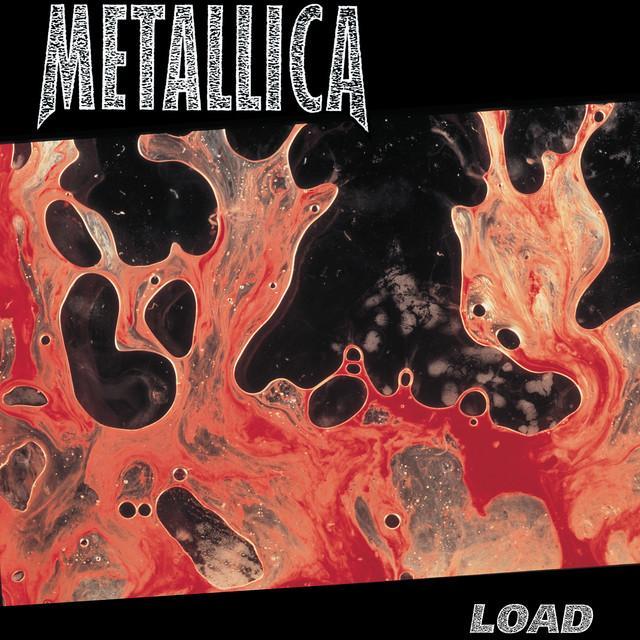
Until It Sleeps by Metallica
Metallica rarely sounded this exposed, and that is exactly why this song still hits so hard.
"Until It Sleeps" - Metallica
Provided by LyricFindWhere do I take this pain of mine?
I run but it stays right my side
So tear me open, pour me outLoading...Loading lyrics...
Unable to load lyrics
We're unable to display the lyrics at this time. Please try again later.
The grief at the center of the song
The meaning of Until It Sleeps Metallica starts with a simple idea: pain can follow a person everywhere. The speaker tries to outrun it, fight it, and purge it, but it stays close. That is why the song feels less like a story with a clean ending and more like a cycle of suffering.
Factually, the song was released in May 1996 as the lead single from Load, and it was written by James Hetfield and Lars Ulrich, with production by Bob Rock, Hetfield, and Ulrich. It became a major crossover hit, reaching No. 10 on the Billboard Hot 100 and No. 1 on the Mainstream Rock chart. Sources such as Songfacts and Wikipedia also note that Hetfield wrote it out of pain connected to his mother’s death from cancer, though he later framed the song more broadly as being about pain and grief in general.
That broader framing matters. The lyrics never lock the meaning into one event. Instead, they describe suffering as something living and clinging, almost like a parasite.

Watch the official Until It Sleeps
music video
A private wound turned into a universal one
What the voice is really saying
The song is written in first person, but its emotions are wide enough for many listeners to enter. The speaker asks, Where do I take this pain
, which captures the whole crisis in one line. They are not asking how to solve pain. They are asking where to put it.
That choice of wording suggests overload. The feeling is too large to contain, but there is nowhere safe to set it down.
A second key phrase, tear me open
, pushes that idea further. The speaker imagines relief through exposure, as if hidden pain has become poisonous. They want what is inside to be emptied out, even if that sounds frightening.
Why the chorus sounds comforting and tragic
The chorus gives the song its title and its emotional twist. When the speaker asks to be held until it sleeps
, they are not claiming the pain will die. Interpretation: they seem to want rest, not cure.
That distinction is crucial. Sleep is temporary. It suggests a pause in suffering, a brief hush, maybe the kind that comes from love, numbness, exhaustion, or even denial.
The repeated plea to be held also shifts the song away from rage and toward vulnerability. Metallica had written about anger before, but here they let weakness stay visible. That softness is part of what made the track stand out in 1996.
The song’s strongest images: grip, stain, and cleansing
Much of the lyric turns emotional pain into physical contamination. The pain stays right by my side
. It grips. It stains. It shapes. Those are not passive words. They make suffering sound active and invasive.
Then the song answers those images with cleansing language. The speaker asks to be washed til I'm clean
. That can suggest guilt, illness, shame, or grief that feels dirty even when it is not deserved.
Interpretation: this is one reason listeners hear different meanings in the track:
- cancer and family loss
- addiction or dependency
- depression and recurring thoughts
- trauma that keeps returning
The lyric supports all of those readings because it never names the source directly. It only shows what the source does to a person.
The James Hetfield context behind the words
Songfacts reports that Hetfield wrote the song about his mother, who died when he was 16, and that he carried anger over the lack of medical treatment tied to Christian Science beliefs. That background gives extra weight to the song’s images of disease, fear, and cleansing.
Still, it is important not to reduce the track to biography alone. Hetfield has also described it in broader terms, and the lyric itself supports that openness. Interpretation: the song may begin in one personal loss, but it expands into a meditation on how people live with pain that cannot be neatly resolved.
How the music carries the emotion
The production helps explain why the song reached beyond Metallica’s core audience. Instead of speed and attack, it leans into a slower, heavy pulse and a more melodic vocal line. Research on the song’s early demo also notes a 6/4 feel in the refrain, which gives the hook an off-balance sway.
That matters emotionally. The rhythm never feels fully settled, which mirrors the lyric’s instability. Hetfield’s voice also avoids constant aggression. He sounds strained, controlled, and tired, which fits a song about enduring pain rather than exploding from it.
The arrangement on Load is polished, but not empty. Guitars brood instead of sprinting. The groove feels thick and trapped. Even the chorus opens up without sounding triumphant.
Why it divided fans and still endured
Because it was more radio-friendly, some longtime fans rejected it. Songfacts cites Hetfield joking in a 1997 Kerrang! conversation that some fans gave him the finger during performances of the song. Yet its success was undeniable, and the Samuel Bayer-directed video later won MTV’s Best Rock Video.
That tension tells its own story. Some listeners wanted Metallica to stay hard in one specific way. But “Until It Sleeps” proved they could be heavy while sounding wounded, reflective, and human.
Final takeaway on its meaning
So, what is the meaning of Until It Sleeps Metallica? At its core, it is a song about living beside pain that will not leave. It may grow from Hetfield’s family history and grief, but it speaks more widely to anyone who has tried to quiet fear, guilt, illness, or loss for one more night.
Its final power comes from honesty. The song does not promise healing. It only asks for enough comfort to survive the next wave.
Disclaimer: This interpretation blends documented context with lyrical analysis. Because Metallica left the song open-ended, different listeners may reasonably hear different meanings in it.







