Why "Welcome Home (Sanitarium)" Still Disturbs
The meaning of Welcome Home (Sanitarium) Metallica starts with confinement, but it does not stay there. On the surface, the song tells the story of a patient trapped inside a mental institution. Beneath that plot, it becomes a wider statement about power, control, fear, and what happens when people are treated like they are less than human.
"Welcome Home (Sanitarium)" - Metallica
No one leaves and no one will
Moon is full, never seems to change
Loading lyrics...
Unable to load lyrics
We're unable to display the lyrics at this time. Please try again later.
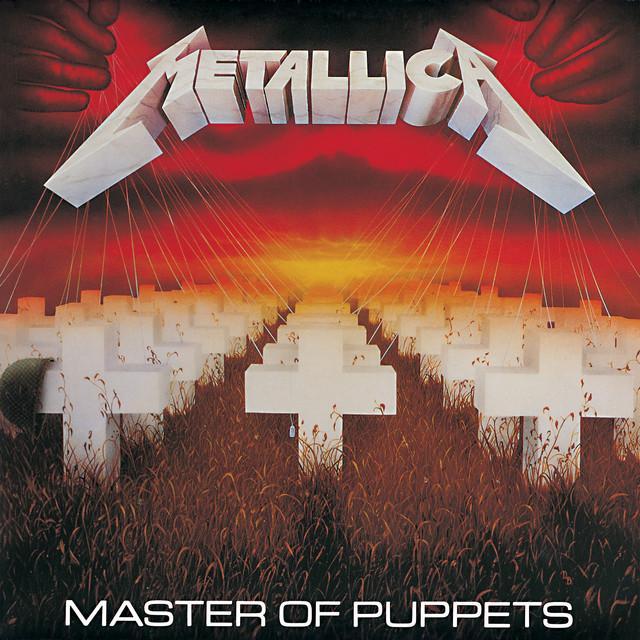
Released on Master of Puppets in 1986, the song was written by James Hetfield, Lars Ulrich, and Kirk Hammett, and produced by Metallica with Flemming Rasmussen, according to Wikipedia. It is also widely linked to One Flew Over the Cuckoo's Nest, which helps explain why the lyrics feel less like fantasy and more like a protest story set behind locked doors.
The Core Meaning Hiding Inside the Asylum
Factually, the song is narrated by someone inside a sanitarium who feels falsely defined and controlled. Early lines describe a place where time stops and freedom disappears. When the singer says time stands still
, the image is not just about boredom. It suggests a system built to freeze a person's identity.
The next idea is even harsher. The narrator has been labeled mentally deranged
, which means the institution has given him a name that overrules his own voice. That matters because the song is not only about madness. It is about authority deciding who is sane and who gets silenced.
Interpretation: Metallica seem to use the asylum as a metaphor for any system that claims to help while really crushing independence. The song's anger grows from that gap between care and control.

Watch the official Welcome Home (Sanitarium)
music video
From Fear to Fury in the Verses
The first half of the song shows a person trying to survive mentally. He dreams of freedom, imagines open space, and tries to hold onto an inner self that the institution cannot fully erase. When he pleads leave me be
, it sounds simple, but it carries the whole conflict: he wants dignity more than sympathy.
Then the song shifts. The institution does not only lock him in physically; it teaches him to fear the outside world. He cannot trust his own thoughts because others keep telling him he is broken. That manipulation is one of the darkest parts of the lyric.
A short passage captures the trap:
They keep me locked up in this cage
It's why my brain says rage
Those lines connect the song's main theme. Violence does not appear from nowhere. The narrator suggests that constant restraint, humiliation, and isolation help create the explosion the authorities claim they are preventing.
The Chorus Is a Cry for Personhood
The chorus is memorable because it is direct. There is no poetic disguise in the title word Sanitarium
. The narrator names the place and rejects it. That directness turns the chorus into a demand for personal space, mental freedom, and basic respect.
This is why the hook hits so hard in performance. It is not asking for comfort. It is demanding that the system stop speaking over the person trapped inside it.
Interpretation: The chorus can also be heard as a broader refusal of social labeling. In that reading, the sanitarium is any environment where outsiders define someone's identity and then call that definition treatment.
How the Music Tells the Same Story
A big part of the meaning of Welcome Home (Sanitarium) Metallica comes from its structure. The song begins with clean, almost fragile guitar lines before moving into heavier sections and then an aggressive ending. That rising intensity mirrors the narrator's mental state: reflection, pressure, then revolt.
Wikipedia notes the song's opening uses clean guitar and shifting meter, while later sections become much heavier. That design matters. The clean intro sounds isolated and controlled, almost sedated. When the distorted guitars arrive, the buried anger becomes audible.
The finale is the key. The closing section speeds up and turns violent, with shouted vocals and a more frantic attack. Instead of sounding healed, the narrator sounds pushed past endurance. The arrangement makes the song feel like a breakdown caused by the institution itself.
Songfacts also quotes Rasmussen describing a detailed multi-mic guitar setup during recording, which helps explain the track's huge, layered sound. Even without knowing the gear, listeners can hear how the production moves from distance to pressure to chaos.
Context Makes the Lyrics Sharper
Metallica placed the song as the fourth track on Master of Puppets, an album full of songs about control, addiction, war, and manipulation. In that setting, "Sanitarium" fits perfectly. It is another story about a person caught inside a larger machine.
It also has a long afterlife on stage. Metallica's own fan-reference site reports it has been played live more than 1,000 times, which shows how strongly it connects with audiences. That makes sense: even if listeners have never seen an institution like the one in the song, many understand the feeling of being trapped, misread, or spoken for.
The Most Important Line of Interpretation
By the end, the song stops being only about one patient. It becomes a warning. If people are controlled through fear, restraint, and humiliation, they may eventually answer with rage. The song does not celebrate that outcome. It presents it as the tragic result of dehumanization.
That is why "Welcome Home (Sanitarium)" still feels powerful. It mixes story and metaphor so well that it can be heard as a tale of wrongful confinement, a critique of abusive authority, or a portrait of a mind breaking under pressure.
Final Take on Metallica's Dark Ballad
The meaning of Welcome Home (Sanitarium) Metallica is ultimately about what happens when a human being is caged, renamed, and denied control over their own reality. Its lyrics move from numbness to resistance, and its music follows the same path with chilling precision.
That blend of empathy, menace, and explosive sound is why the song remains one of Metallica's most unsettling works.
Disclaimer: This interpretation separates documented facts from critical reading. As with many songs, meaning can vary from listener to listener.








