Whiskey in the Jar by Metallica
The meaning of Whiskey in the Jar Metallica starts with an old outlaw ballad, but Metallica turn it into something louder, rougher, and more tragic.
"Whiskey in the Jar" - Metallica
Provided by LyricFindAs I was goin' over
The Cork and Kerry Mountains
I saw Captain FarrellLoading...Loading lyrics...
Unable to load lyrics
We're unable to display the lyrics at this time. Please try again later.
An Old Folk Tale in Heavy Boots
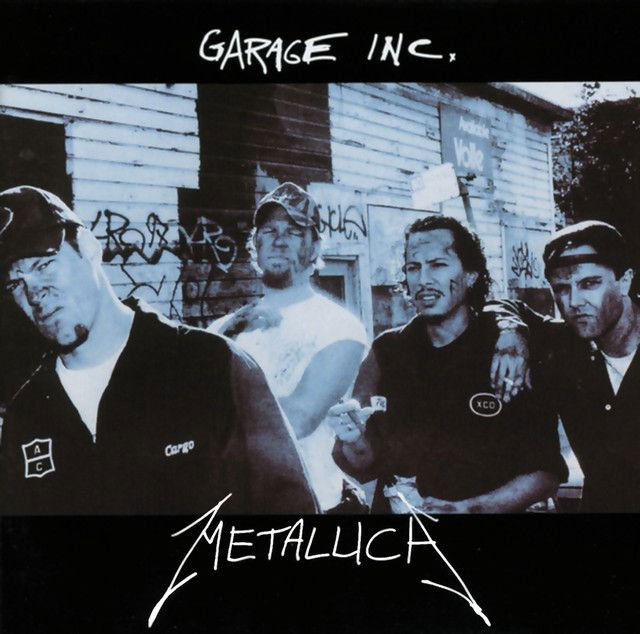
Metallica did not write “Whiskey in the Jar.” It is a traditional Irish song with roots that likely go back to the 17th century, and it was reshaped over time by many singers. The best-known rock bridge to Metallica is Thin Lizzy’s 1972 version, which helped bring the ballad into modern rock. Metallica later recorded their cover for Garage Inc. in 1998, and the single was released in 1999.
Factually, their version follows Thin Lizzy’s arrangement closely, but with a heavier attack. It also became one of Metallica’s most successful covers, reaching strong chart positions and winning the 2000 Grammy for Best Hard Rock Performance.

Watch the official Whiskey in the Jar
music video
What the Song Is Really About
At the story level, this is a crime ballad. The narrator robs Captain Farrell, brings the money to Molly, and believes he is safe. Then trust collapses.
The emotional center of the song is betrayal. After the robbery, the singer thinks love and loot can live together. But when Molly turns on him, the swagger cracks. A line like pretty penny
makes the robbery sound almost playful at first, yet that mood does not last.
Interpretation: The song is not just celebrating outlaw freedom. It shows how fast bravado can turn into ruin. The narrator acts bold, but he is careless, proud, and too sure of his control.
From Robbery to Ruin
The plot moves in four sharp beats
- He robs a powerful man after ordering him to
stand and deliver
. - He brings the money home and trusts Molly.
- He discovers there was a trap waiting for him.
- He ends up captured, regretting everything.
That simple structure is why the song has lasted so long. It feels like a campfire story, but it also works like a warning. One bad choice leads to another, and the fall is quick.
A key turn comes when the singer admits he was drunk and weary
. That detail matters. He is not defeated only by outside forces. He helps cause his own downfall through drink, fatigue, and false confidence.
Betrayal Is the Real Villain
Many versions of the ballad differ on exactly how the woman betrays the outlaw. In some older variants, she informs on him or sabotages his weapons. In the version here, the lyrics focus more on the sting of being deceived than on technical details.
That is why the line about Molly “tricking” him matters so much. The robbery starts the plot, but betrayal gives it its pain. Money can be stolen back. Trust cannot.
Interpretation: The song may also be about fantasy versus reality. The narrator imagines himself as a daring rebel, but his dream of easy money, romance, and escape falls apart almost immediately.
Why the Chorus Feels So Big
The famous refrain is one reason the song survived for centuries. Even listeners who do not follow every verse can join the hook. The phrase there's whiskey in the jar
sounds like a toast, a shrug, and a joke all at once.
Most scholars and commentators treat the “musha rain dum” part as a folk-style nonsense refrain rather than a line with a fixed meaning. In traditional music, that kind of chorus helps with rhythm, memory, and audience participation.
Whack for my daddy, oh
There's whiskey in the jar, oh
Paraphrased, the chorus keeps the mood rowdy even as the story gets darker. That contrast is important. The song dances while the narrator’s life falls apart.
How Metallica’s Sound Changes the Meaning
Metallica’s recording makes the ballad feel tougher and more physical. The guitars are thicker, the drums hit harder, and the groove has more weight than a folk or pub version. That shift does not change the plot, but it changes the listener’s emotional angle.
In a lighter arrangement, the song can feel sly or comic. In Metallica’s hands, it feels more like a bar fight turning into a prison sentence. Their vocal delivery adds attitude, especially when the singer boasts early on and then sounds more boxed in by the end.
This is where the meaning of Whiskey in the Jar Metallica becomes distinct from the traditional ballad. Metallica underline the song’s danger. They keep the sing-along energy, but they make the fall hit harder.
The Outlaw Myth Behind the Song
There is also a larger cultural layer. Folklorists have long noted that older audiences often admired highwaymen as rebellious figures. Alan Lomax even described such songs as reflecting sympathy for local outlaws against authority. That helps explain why the narrator is not written as a simple villain.
Still, the song does not fully glorify him. He gets a moment of flash and freedom, then loses both. He is exciting, but he is also foolish. By the last verse, with ball and chain
, the romance is gone.
Final Take on Metallica’s Cover
The meaning of Whiskey in the Jar Metallica is a mix of outlaw thrill, romantic betrayal, and self-destruction. The old folk story already had those elements, but Metallica sharpen them with forceful guitars and a harder emotional edge.
Their cover lasts because it balances two moods at once: celebration and collapse. Listeners can shout the chorus, but the story underneath is about how quickly swagger turns into loss.
Disclaimer: This interpretation blends widely accepted song history with close reading of the lyrics. As with many traditional songs, some meanings remain open to debate.







