
Why 'Dr. Beat' Feels Like a Dance Emergency
The meaning of Dr. Beat Miami Sound Machine starts with a joke: they treat dancing like a medical crisis. But under that playful idea is a sharp pop statement about how rhythm can take over the body.
"Dr. Beat" - Miami Sound Machine
Provided by LyricFindEmergency - paging Dr. Beat - Emergency
Doctor
I've got this feelingLoading...Loading lyrics...
Unable to load lyrics
We're unable to display the lyrics at this time. Please try again later.
The Song’s Core Pulse
The meaning of Dr. Beat Miami Sound Machine is fairly direct, but it works because the concept is so clever. The singer describes an overpowering need to move, then asks a fictional doctor for help. In plain terms, the song is about being unable to resist music.
That makes the track both comic and sincere. They frame the beat as a condition, but the mood is not tragic. It is excited, breathless, and fun. Even when the lyrics mention panic and losing control, the real message is that dance music is powerful enough to feel physical.
Factual context helps here. According to available discography records, “Dr. Beat” was released in June 1984 as Miami Sound Machine’s first international single from Eyes of Innocence, their first English-language album, and it was written by Enrique “Kiki” García and produced by Emilio Estefan.
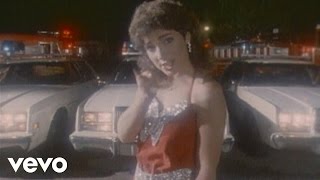
Watch the official Dr. Beat
music video
A Doctor, a Patient, and a Perfect Pop Metaphor
The song’s main trick is turning rhythm into a diagnosis. The narrator speaks as a patient asking for relief, but the problem is not heartbreak or illness in a literal sense. The problem is the beat itself.
Short phrases show that clearly. They mention a feeling deep inside of me
and admit they can't control my feet
. Those lines turn music into something bodily, almost automatic. Dancing is not presented as a choice. It is a reflex.
Interpretation: This is why the doctor image matters. “Dr. Beat” sounds like a person, but it also sounds like the beat has authority. Rhythm becomes the expert, the cause, and maybe even the cure.
How the Lyrics Build the “Emergency” Story
The song is simple, but it does have a small narrative. It moves in stages:
- A strange sensation begins.
- The body reacts to music.
- The singer asks for medical help.
- The hook repeats until the beat seems unstoppable.
The first half sets up the problem. The singer hears the music and starts moving. Then the language gets more dramatic, with lines about needing something to ease the pain
. That pain is exaggerated on purpose. It sounds urgent, but in a playful dance-floor way.
Later, the imagery turns hotter and louder. The singer says, I've got this fever
, then blames music for moving both body and soul. That shift matters. What starts as physical movement becomes emotional surrender too.
The Hook That Won’t Let Go
The chorus is mostly repetition, and that is exactly why it works. Calling out Doctor Beat
again and again mirrors the problem the song describes. The beat is obsessive, so the hook becomes obsessive too.
This is one of the smartest parts of the writing. The lyrics do not just tell listeners about compulsion. They create it through structure. Repetition becomes meaning.
If you got trouble can't stop your feet
Pay a little visit to Doctor Beat.
That brief closing idea sums up the whole song. It invites listeners into the joke. The condition is universal on the dance floor, and “Dr. Beat” is the shared answer.
Why the Sound Matters as Much as the Words
A song like this lives or dies by production. “Dr. Beat” works because the arrangement sounds as urgent as the lyric idea. It is widely described as dance-pop, and the record leans hard into that identity through drum-machine energy, crisp percussion, synth textures, and a tight club rhythm.
Because the track was written by the band’s drummer, Enrique “Kiki” García, it makes sense that rhythm feels like the main character. The beat does not sit behind the song. It drives the whole thing forward.
Interpretation: The production makes the singer sound trapped inside the groove, not just singing over it. That supports the lyric theme of losing control. The body hears the drums, and the body answers.
Miami Sound Machine Context Gives It Extra Meaning
The song also matters in career terms. It helped launch Miami Sound Machine internationally in 1984, reaching No. 6 in the UK and No. 17 on Billboard’s Dance Club chart, even though it missed the Hot 100 in the United States. That split is important.
It shows that “Dr. Beat” first connected as a club and crossover dance record before the group became bigger U.S. pop stars. In that sense, the song captures a band on the edge of breakthrough: polished, catchy, and built for movement.
The music video pushed the concept further by showing Gloria Estefan being treated for her dancing compulsion in a comic hospital setting. That visual joke confirms that the song was meant to be theatrical, not literal.
More Than a Novelty Hook
It would be easy to reduce “Dr. Beat” to a fun gimmick, but that misses why it lasts. The medical framing is catchy, yes, but it also expresses a real idea about dance music: sometimes rhythm feels bigger than thought.
That is why the song has kept resurfacing, from the 2005 “Doctor Pressure” mash-up to viral 2024 remix activity. The concept is durable because the feeling is easy to recognize. Most listeners know what it means to hear a song and feel their body react before their mind catches up.
Final Diagnosis
The meaning of Dr. Beat Miami Sound Machine is the joy of surrendering to rhythm, dressed up as an emergency. It turns dance-floor obsession into a mini drama about symptoms, fever, and treatment, while the production makes that loss of control feel exciting rather than scary.
Interpretation disclaimer: This reading separates documented facts from critical interpretation. Songs can hold different meanings for different listeners, and that openness is part of why “Dr. Beat” still works.








