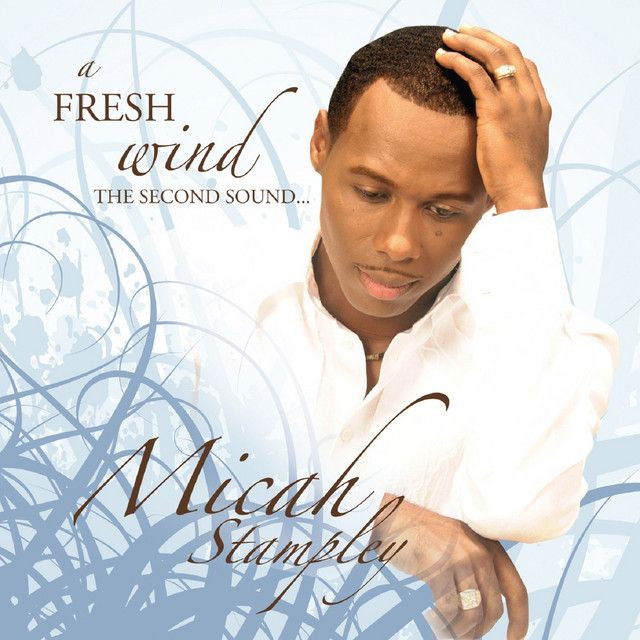
Another Place by Micah Stampley
Micah Stampley’s “Another Place” is a worship song about going deeper with God. More specifically, the meaning of Another Place Micah Stampley points to spiritual closeness, inner change, and a desire to live in a way that reflects Christ. Rather than telling a dramatic story, the song works like a prayer. It asks for more than comfort or blessing; it asks for fuller surrender.
"Another Place" - Micah Stampley
He that dwells in the secret place
Shall be the one who receives His power
Loading lyrics...
Unable to load lyrics
We're unable to display the lyrics at this time. Please try again later.
Stampley is widely known as a gospel singer, songwriter, and worship leader, and that background matters here. His music often leans into devotional intensity and church-centered praise, a public identity reflected in his official artist presence and career profile on AllMusic and his official website. In “Another Place,” that worship focus shapes both the words and the sound.
The Song’s Core Message Is Spiritual Intimacy
At its heart, the song says that real power and inheritance come from living close to God. The opening idea about the secret place
immediately frames the message in biblical language. It suggests private devotion, prayer, and communion with God rather than outward performance.
The verses then build that thought. They describe a person who wants to live in Christ, walk like Christ, and do God’s will. That progression matters. The song is not only about feeling near to God. It is also about becoming more obedient and spiritually formed.
Interpretation: “Another place” is not a new destination in the ordinary sense. It sounds more like a deeper spiritual state, a place of maturity, surrender, and dependence.

Watch the official Another Place
music video
How the Lyrics Move From Desire to Devotion
One of the clearest strengths of the song is how direct the language is. The singer confesses, I desire to live in Him
, then expands that desire into action. They want to walk rightly, follow God’s will, and stay connected to a source of life bigger than themselves.
That is why the image of thirst matters so much. When the lyric reaches never thirst again
, it expresses spiritual satisfaction. The song suggests that God is not just a comfort during hard times. God is the only lasting answer to inner emptiness.
This keeps the message simple but strong:
- They long for more of God.
- They believe closeness to Christ changes how they live.
- They see that closeness as the answer to spiritual hunger.
Those steps give the song its emotional shape. It begins with truth claims, then turns into longing, and finally lands in repeated worship.
Why the Chorus Matters So Much
The chorus centers on one phrase: another place in Him
. Repeating it again and again gives the song a meditative quality. In gospel and worship music, repetition often serves a purpose beyond memorability. It creates space for reflection, agreement, and prayer.
Here, the refrain works almost like a spiritual cry. It does not add lots of new information. Instead, it deepens the song’s main desire. The listener is invited not just to understand the message, but to enter it emotionally.
Interpretation: The repeated chorus may also suggest that words run out at a certain point. Once the song reaches that central longing, repetition becomes the most honest way to express it.
Biblical Echoes Hidden in Plain Sight
The song’s message is rooted in language familiar to many Christian listeners in the United States. The secret place
echoes Psalm 91, a passage often associated with divine shelter and nearness. The idea of spiritual thirst being fully satisfied also recalls New Testament imagery about living water and lasting fulfillment.
Because of those echoes, the song feels less like abstract poetry and more like sung devotion. It uses phrases listeners may already connect with Scripture, which helps the message land quickly. Even without naming chapter and verse, the song speaks in a biblical register.
That matters for the meaning of Another Place Micah Stampley because it shows the song is not inventing a private spiritual world. It places personal longing inside a wider Christian tradition of prayer, holiness, and union with Christ.
How the Sound Supports the Meaning
Like much contemporary gospel, the song likely depends more on vocal delivery and worship atmosphere than on complex narrative detail. The repeated chorus and open vowel sounds in the extended “oh” sections create lift and release. That kind of arrangement invites congregational response.
Stampley’s style is known for strong, expressive singing and a worship-led structure, which fits the song’s focus. Instead of sharp rhythmic tension or dense storytelling, the music likely aims for spiritual build. The listener is meant to feel drawn upward and inward at the same time.
In practical terms, that means the production probably serves three goals:
- keep the lyrics easy to follow
- let the chorus expand emotionally
- center the voice as the main instrument of testimony
That approach matches the song’s theme. A message about dwelling in God should feel spacious, focused, and reverent.
A Simple Song With a Clear Purpose
“Another Place” is not trying to be mysterious. Its power comes from clarity. It speaks about wanting more of God, living more like Christ, and finding real satisfaction in that relationship. The line to do His will
is especially important because it keeps the song from becoming only emotional. Desire leads to obedience.
That balance is why the song can connect with both private listeners and church congregations. It works as a personal prayer, but it also works as a shared declaration of faith.
Final Thought on Its Meaning
The best way to understand the meaning of Another Place Micah Stampley is to hear it as a worship song about deeper surrender. It describes a believer longing to move beyond the surface into a fuller life in God—one marked by intimacy, obedience, and spiritual satisfaction.
That reading is an interpretation based on the lyrics provided, the song’s gospel context, and Micah Stampley’s public artistic identity. Different listeners may hear slightly different shades of meaning, especially in how they define that “another place.”








