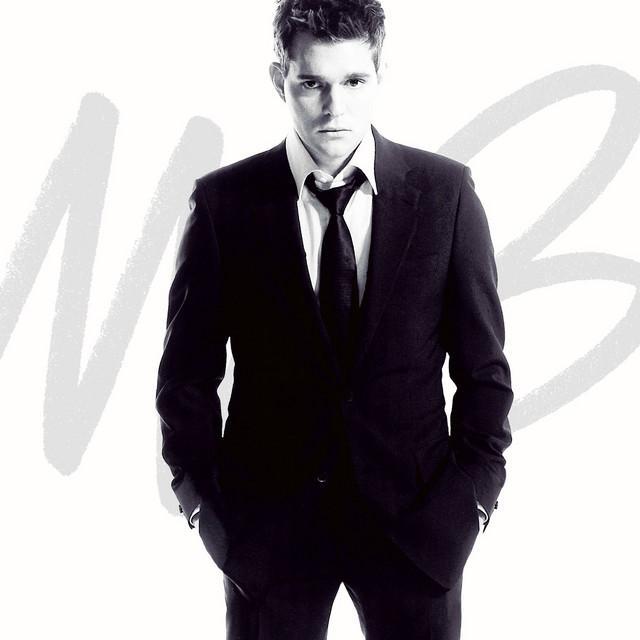
Feeling Good by Michael Bublé
Why This Cover Still Feels So Powerful
The meaning of Feeling Good Michael Bublé starts with renewal, but it does not stop there. On the surface, the song sounds like a simple celebration. Nature is alive, the sky is open, and the singer feels reborn. But the deeper message is about stepping into freedom and claiming a new version of the self.
"Feeling Good" - Michael Bublé
You know how I feel
Sun in the sky
Loading lyrics...
Unable to load lyrics
We're unable to display the lyrics at this time. Please try again later.
Bublé did not write the song. Anthony Newley and Leslie Bricusse wrote it for the 1964 stage musical The Roar of the Greasepaint – The Smell of the Crowd. In that show, the number arrives as a moment of victory and release. According to the song’s documented stage history on Wikipedia, it was tied to a triumphant turning point and has often been described as a song of emancipation. That history matters, because Bublé’s version keeps the same core feeling: not just happiness, but hard-won release.

Watch the official Feeling Good
music video
A New Dawn, Not Just a Good Mood
The song builds its message through repeated images from the natural world. Birds, sun, breeze, river, blossoms, stars, and pine all suggest motion, life, and openness. Instead of telling a long story, the lyric stacks these images until they create a mood of waking up inside a changed world.
When the singer says new dawn
and new life
, the point is bigger than having a nice morning. The words suggest a break from what came before. The old self is gone, or at least left behind. By the time the singer reaches feeling good
, it sounds less like casual confidence and more like a declaration.
Interpretation: Many listeners hear the song as an anthem of personal reinvention. That can mean recovering after pain, leaving behind fear, or finally feeling at home in one’s own life. Because the lyric stays broad, people can place their own story inside it.
How the Images Connect to Freedom
One reason the song lasts is that its symbols are easy to picture and rich in meaning. The world in the lyric is not trapped or still. Everything moves. Birds rise, rivers run, and air drifts past. That movement mirrors the singer’s emotional change.
A key line points straight at the theme with freedom is mine
. That phrase gives the earlier nature images a sharper edge. This is not just admiration for the outdoors. It is a person recognizing that life can open again.
It's a new dawn
It's a new day
It's a new life
for me
Those lines work like a mission statement. They repeat the idea in slightly different forms, making the transformation feel bigger each time. Dawn suggests time, day suggests lived experience, and life suggests identity itself.
What Michael Bublé Adds to the Song
Bublé’s 2005 version, released as the lead single from It’s Time, turns the song into a glossy, dramatic performance piece. Produced by David Foster, Humberto Gatica, and Tommy LiPuma, the recording leans into traditional pop, jazz, and big-band style. The arrangement does not treat the lyric as quiet reflection. It treats it as arrival.
That production choice shapes the meaning. The opening feels controlled and tense, as if the singer is gathering energy. Then the horns, rhythm section, and rising dynamics push the song outward. Bublé’s voice moves from cool restraint to full-bodied release, which mirrors the lyric’s journey from observation to declaration.
Brass, Swing, and Confidence
The instrumentation matters because it sounds public, not private. Brass gives the song shine and swagger. The beat has a sleek pulse, and the orchestral lift makes the performance feel cinematic. In Bublé’s hands, liberation sounds stylish and visible.
This is where his version differs from more intimate readings. He performs the song like someone stepping into a spotlight and owning the room. That makes the meaning of Feeling Good Michael Bublé feel tied to self-presentation too: freedom is not hidden, it is announced.
Artist Context and Pop-Culture Life
Bublé released the single on April 4, 2005, and it became one of the signature tracks of his early career. It also gained a long afterlife through ads, sports broadcasts, and live performances. The song even re-entered the UK chart in 2010 after commercial use, and it later earned major certifications in countries including the UK and Germany.
That wide use changed how many listeners hear it. For some, it is a classy swing-pop standard. For others, it is motivational music, the sound of a big entrance, or the soundtrack to confidence. Even Shohei Ohtani has used Bublé’s version as walk-up music, as noted in current coverage collected by Wikipedia. That fits the song perfectly: it carries the feeling of stepping forward with purpose.
The music video adds another layer. Directed by Noble Jones, it uses a 1960s spy-film style and places Bublé in a nuclear power plant setting. That visual choice makes the song feel cool, dangerous, and controlled. Instead of simple joy, the cover gets a touch of mystery and power.
A Song About Winning Back the Self
At its heart, this song is about a person recognizing change and accepting it fully. The lyric begins outside, with the world, then slowly turns inward. By the end, what matters is not the birds or the sky, but the self who can finally say, in effect, “I know who I am now.”
Interpretation: In Bublé’s version, the song can be heard as a performance of rebirth after pressure. The polished arrangement suggests someone who has not only survived, but emerged stronger and more elegant. That is why the song feels triumphant instead of merely cheerful.
Final Take on the Message
The meaning of Feeling Good Michael Bublé is renewal with backbone. It celebrates beauty, but it also points to liberation, confidence, and emotional release. Bublé’s rich vocal and bold production make that message feel grand, modern, and public.
That is why the song still lands. It tells listeners that a better self can arrive suddenly, clearly, and with style.
Disclaimer: This interpretation mixes documented song history with critical reading of the lyrics and performance, so some meaning remains open to individual listeners.







