Will You Be There by Michael Jackson, Cleveland Orchestra
The meaning of Will You Be There Michael Jackson, Cleveland Orchestra starts with a simple question: who stays when a person is weak, scared, or alone?
"Will You Be There" - Michael Jackson ft. Cleveland Orchestra
Provided by LyricFindIhr stürzt nieder, Millionen?
Ahnest du den Schöpfer, Welt?
Such' ihn über'm SternenzeltLoading...Loading lyrics...
Unable to load lyrics
We're unable to display the lyrics at this time. Please try again later.
A Plea for Love When Strength Runs Out
Michael Jackson's "Will You Be There" is a song about emotional need, human weakness, and the hope that love will remain steady through all of it. Rather than presenting themself as invincible, the speaker admits fear, confusion, and dependence. That honesty is the heart of the song.
The repeated request in Will you be there?
is not just about romance. The lyrics ask for protection, correction, tenderness, and loyalty. When the song mentions being held, carried, and guided, it describes the kind of care people want when life becomes too heavy to manage alone.
Interpretation: the song works as both a personal cry and a spiritual one. It can sound like they are speaking to a lover, a friend, a parent figure, or God. Jackson leaves that open, which is why the song feels so broad and lasting.

Watch the official Will You Be There
music video
Why the Opening Changes Everything
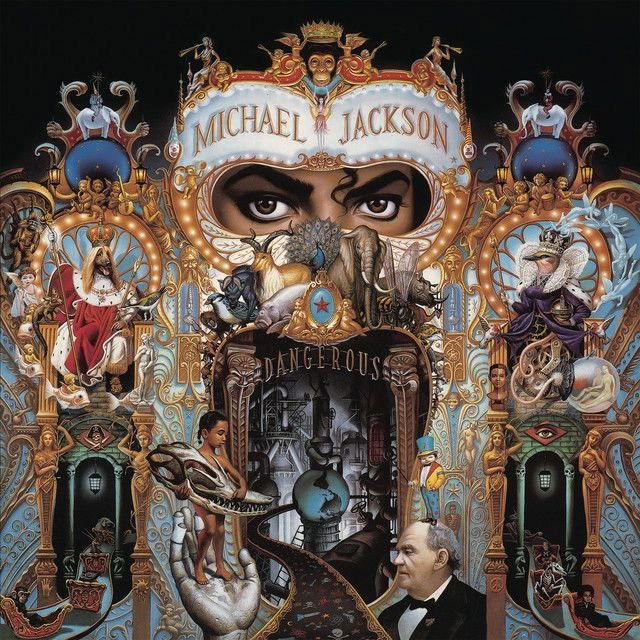
Before Jackson sings, the track opens with a classical prelude performed by the Cleveland Orchestra, drawn from Beethoven's Ninth Symphony, with text from Friedrich Schiller. According to documented credits and release history, that prelude appears on the Dangerous version and helps frame the song in larger, almost sacred terms. The song was later released as a single on June 28, 1993, from Dangerous and also as the theme from Free Willy.
That intro matters because it lifts the song out of ordinary pop storytelling. The German lines point toward the Creator above the stars, so the music begins with awe before moving into personal need. In simple terms, the song starts in the heavens and then drops into the human heart.
Interpretation: this structure suggests that Jackson wanted private pain to sit next to spiritual searching. They are not just asking for comfort; they are asking where comfort comes from.
The Speaker Is Vulnerable, Not Heroic
One of the song's strongest ideas is that the speaker refuses to pretend. They admit, I'm only human
, which becomes the key to the whole message. The song pushes back against impossible expectations of strength, masculinity, and control.
There is also pressure in the world around them. When the lyrics say Everyone's taking control of me
, the song shows a person trapped by outside demands. People want them to play a role, be faithful, keep fighting, and never collapse. But the song answers that pressure with vulnerability instead of bravado.
That is one reason the track still connects. Jackson was one of the most famous people in the world, yet this lyric strips away celebrity and shows a person asking not to be abandoned.
Gospel Sound, Human Need
How the Arrangement Carries the Message
Factually, the song blends pop, R&B, and gospel, with choir arrangements by Andrae and Sandra Crouch and a major role for the Andrae Crouch Singers. Bruce Swedien co-produced it with Jackson, and the arrangement includes piano, synthesizers, keyboards, drums, percussion, choir, and orchestral elements.
That mix is crucial to the meaning. The verses feel intimate, but the choir turns the song outward, as if one private prayer becomes shared by a whole community. When the song uses phrases like Hold me
and Carry me
, the melody does not sound small or ashamed. It sounds uplifted.
Critics often noticed that quality. Billboard called it a "highly inspirational, gospel/pop tune," while Albumism described it as a confession shaped by gospel fervor. Even listeners who disagree on the song's style often hear the same emotional core: need made noble.
A Song About Support in Every Mood
The final section broadens the message. Instead of naming one problem, the song lists many states: despair, trials, doubt, fear, anguish, joy, and sorrow. That sweep matters. It says loyalty is not real if it only exists during success.
Here the emotional logic becomes clear:
- They admit weakness.
- They ask for faithful presence.
- They describe every season of life.
- They answer with devotion in return.
That last turn is easy to miss. The ending is not only a plea. It is also a promise that the loved one will remain in their heart. So the song becomes reciprocal, not one-sided.
In my deepest despair
Will you still care?
Will you be there?
This brief passage captures the song's center without needing the rest of the lyric. It asks whether love can survive when a person is hardest to love.
Free Willy and the Song's Wider Meaning
The song gained wider recognition in 1993 through Free Willy, where it served as the film's main theme. That connection helped bring the track to a bigger family audience and matched the film's themes of freedom, care, and emotional bonding. It also won the 1994 MTV Movie Award for Best Song From a Movie.
Even so, the song's meaning is not limited to the film. In Jackson's catalog, it sits beside songs where compassion matters more than image. He reportedly said that "Will You Be There" was one of the songs written at the Giving Tree on his Neverland property, which fits the reflective, searching mood often heard in it.
The Lasting Meaning of Will You Be There Michael Jackson, Cleveland Orchestra
The meaning of Will You Be There Michael Jackson, Cleveland Orchestra is ultimately about dependence without shame. It says people need help, and there is courage in asking for it. The song joins classical grandeur, gospel warmth, and pop confession to ask a timeless question: who will stay when life gets dark?
That is why the song still lands. It does not celebrate perfection. It asks for mercy, closeness, and endurance.
Disclaimer: This interpretation combines documented facts with informed analysis. Meanings can vary from listener to listener.








