Why Velma’s Song Is So Cruel and Clever
The meaning of (The Legend of) Miss Baltimore Crabs Michelle Pfeiffer comes down to one idea: a villain uses nostalgia, beauty standards, and power to keep change out.
"(The Legend of) Miss Baltimore Crabs" - Michelle Pfeiffer
Provided by LyricFindFront step, cha-cha-cha, back step cha-cha-cha
Side step, front step, back, and turn
Oh my god, penny, there's Link, Link!Loading...Loading lyrics...
Unable to load lyrics
We're unable to display the lyrics at this time. Please try again later.
A Villain Song With a Sharp Point
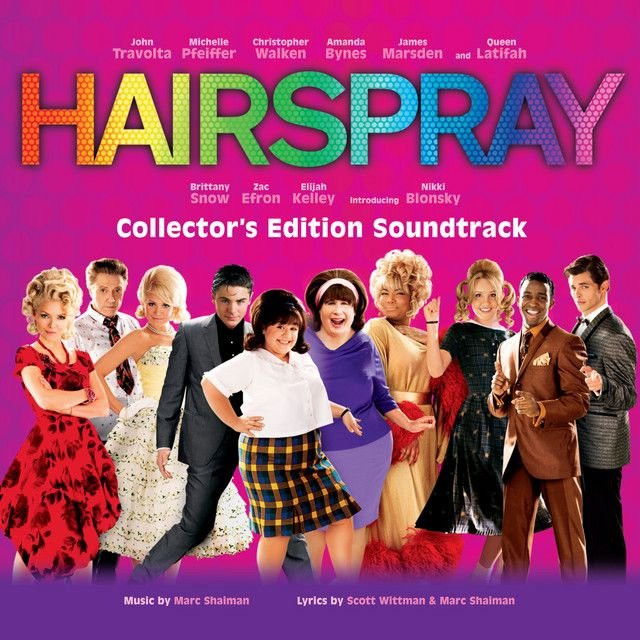
In the 2007 Hairspray film, Michelle Pfeiffer performs "(The Legend of) Miss Baltimore Crabs" as Velma Von Tussle, the gatekeeper of The Corny Collins Show. The song itself began in the 2002 stage musical by Marc Shaiman and Scott Wittman, with Scott Michael Wittman also credited in the material provided here. In both versions, the number introduces Velma as more than a snob. It shows how deeply she believes the world should stay built around her rules.
The meaning of (The Legend of) Miss Baltimore Crabs Michelle Pfeiffer is not just that Velma is mean. It is that she has turned one old pageant victory into a full worldview. She thinks her crown proves she knows beauty, talent, and respectability better than everyone else.
Watch the official (The Legend of) Miss Baltimore Crabs
music video
What the Song Is Really About
At the story level, the scene happens during auditions for The Corny Collins Show, where Tracy Turnblad hopes to earn a spot. Sources on the song’s history describe it as Velma’s big character piece in Act I, sung at the TV studio during auditions. It was written to give Velma more background and motivation, helping explain why she blocks Tracy and resists the larger social change happening around her.
The song works in three layers:
- It is a brag song about Velma’s pageant past.
- It is an audition scene where she humiliates Tracy.
- It is a satire of old-fashioned prejudice.
Velma keeps returning to Miss Baltimore Crabs
as if the title were sacred. That repeated phrase is funny, but it is also pathetic. She is living in the past because the present no longer naturally centers her.
How the Lyrics Expose Velma
Her memories are a weapon
Velma talks like her younger self was perfect. She boasts about discipline, appearance, and winning at any cost. When she says mother knows best
, the line sounds almost playful, but it reveals her controlling mindset. She does not simply want standards; she wants obedience.
The song also makes her corruption plain. One of its darkest jokes is her casual brag that she screwed the judges
. The line is not meant to be admired. It shows that her moral speeches are hollow. She condemns others while admitting she cheated her own way to the top.
Tracy threatens her whole system
Tracy is not rejected only because of body size. Velma also reacts to what Tracy represents: openness, energy, and a more inclusive future. The key moment comes when Tracy expresses support for integration and Velma snaps that, in Baltimore, that idea still does not belong.
First impressions can be tough
If your size weren't enough
Your last answer just blew it
That brief section sums up the whole conflict. Velma judges Tracy’s body first and her values second. The song turns personal insult into a social critique.
Why Michelle Pfeiffer’s Version Lands
Pfeiffer’s performance matters because she plays Velma as polished, icy, and amused by her own cruelty. Reviews of the film often praised that quality, with the BBC calling her "deliciously icy" in the role. That tone changes the number from a simple Broadway villain song into something more cutting.
Instead of roaring with cartoon anger, they let Velma glide through the scene with control. That makes lines like you may go
feel colder than a shout. She treats rejection as style.
The Sound of False Glamour
Musically, the song is pure showbiz attack. It uses brisk dance rhythms, comic stops and starts, and flashy theatrical phrasing that match Velma’s need to dominate the room. The arrangement feels glossy and precise, which fits a character obsessed with image.
There is also a clever mismatch between sound and message. The music is bouncy and entertaining, while the content is ugly. That contrast is the joke. Audiences laugh at the performance even as they see how warped Velma’s values are.
This is one reason the number became such a memorable villain showcase in stage and screen versions. It advances the plot, but it also lets the production parody the clean-cut TV culture of early-1960s Baltimore.
The Themes Under the Punchlines
Several themes drive the song:
- Nostalgia as denial: Velma hides in old glory.
- Beauty as power: she treats attractiveness like moral worth.
- Prejudice as policy: her bias shapes who gets seen.
- Performance as control: she uses wit, dance, and status to bully others.
Interpretation: the song suggests that oppressive systems often survive through people who think they are defending “standards.” Velma never calls herself hateful. She calls herself correct.
That is why the number is important in Hairspray. Tracy’s fight is not just against one rude woman. It is against a whole set of ideas about race, body image, class, and who gets to belong on camera.
Final Take on the Song’s Meaning
The meaning of (The Legend of) Miss Baltimore Crabs Michelle Pfeiffer is that Velma’s old crown has become a symbol of fear. She uses it to justify cruelty, protect social hierarchy, and dismiss anyone who represents change.
What makes the song work so well is its balance of comedy and menace. It is hilarious on the surface, but underneath, it reveals exactly why Tracy’s optimism is so radical.
Disclaimer: This interpretation blends widely accepted story context with critical reading of the lyrics and performance. Meaning can vary by listener, staging, and adaptation.







