Why 'Freak-A-Zoid' Still Owns the Dance Floor
The meaning of Freak-A-Zoid Midnight Star starts with a joke, a groove, and a machine fantasy. On the surface, the song is a playful dance track about a robot lover built for the club. Under that surface, it turns a cold sci-fi image into something warm, funny, and physical. That twist is the key to why the song still feels fresh.
"Freak-a-Zoid" - Midnight Star
Please report to the dance floor
Z O I D S
Loading lyrics...
Unable to load lyrics
We're unable to display the lyrics at this time. Please try again later.
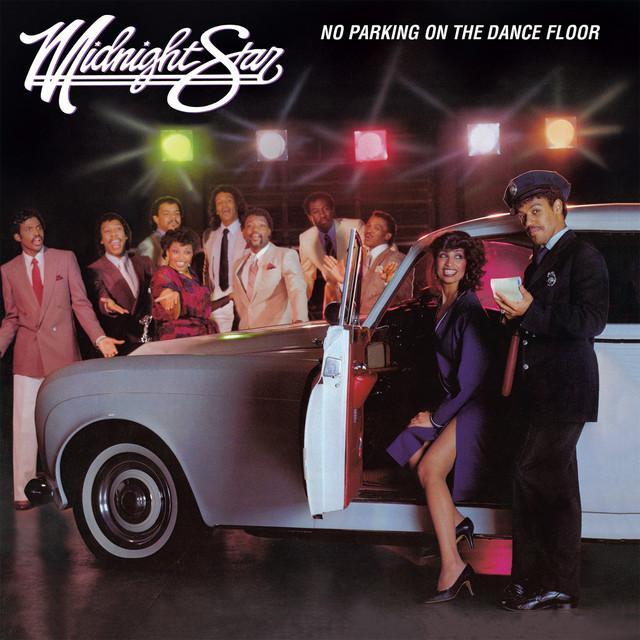
Released as a single on May 15, 1983, and later featured on No Parking on the Dance Floor, the track arrived during Midnight Star’s biggest commercial era. According to the album’s chart history, No Parking on the Dance Floor became the group’s most successful album, and “Freak-A-Zoid” reached No. 2 on the U.S. R&B chart. The album itself was released June 6, 1983 and was produced by Reggie Calloway and Midnight Star.
A Robot Fantasy With a Human Goal
At its core, the song is about escape through dancing. The speaker presents themself as a mechanical helper who can remove stress, satisfy desire, and keep the party going. When the hook says I'll be your freak-a-zoid
, it is not really promising science fiction. It is promising service, energy, and nonstop motion.
That is why the mechanical language matters. Phrases like wind me up
and programmed
turn the singer into a device made for pleasure and release. Instead of sounding creepy, the song makes the idea cartoonish and fun. The robot is not a warning about technology. It is a party character.
Interpretation: the song imagines the perfect dance partner as someone tireless, responsive, and built to meet the moment. In that sense, the “freak-a-zoid” is less a literal robot than a symbol of total commitment to the groove.
Watch the official Freak-a-Zoid
music video
How the Verses Build the Joke
The verses keep raising the same idea: this machine can do what ordinary people cannot. It tells the listener to relax, forget their problems, and let the robot take over. The line about being rechargable
is especially important because it turns stamina into personality.
Here is the song’s central pitch in its own playful language:
Kick up the heels
relax your mind
Leave all your worries
This short passage sums up the emotional message. The dance floor is a place where pressure drops away. The robot theme just gives that old nightclub promise a futuristic costume.
The Chorus Turns Repetition Into Meaning
The chorus is simple on purpose. By repeating the main phrase again and again, the song acts like a machine itself. It cycles, locks in, and keeps pushing the same command until it becomes hypnotic.
That repeated structure mirrors dance music logic. In a club, meaning does not always come from a detailed story. Sometimes meaning comes from the body hearing the same phrase over a hard groove until it feels true. Here, the hook creates a character and a mood at the same time.
Interpretation: repetition in “Freak-A-Zoid” is not filler. It is the message. The robot identity becomes believable because the song behaves like a programmed loop.
Electro-Funk Sound as Storytelling
Midnight Star built the song from the sounds that defined early-1980s electro-funk: crisp drum machine patterns, rubbery bass, bright synthesizers, group chants, and a clipped vocal attack. Those choices place “Freak-A-Zoid” in the same sonic world as other dance records that mixed funk with futuristic electronics.
That production matters to the meaning of Freak-A-Zoid Midnight Star. The instruments make the lyrics believable. If this had been arranged like a slow soul song, the robot concept might have sounded silly. But the mechanical pulse and synthetic textures make the character feel native to the track.
The band also uses vocal layering well. The group chants, spelled-out Z O I D S
, and call-and-response sections create the feeling of a crowd joining the machine. It is not one lonely robot speaking. It is a whole dance floor accepting the game.
Midnight Star’s Context Makes the Song Land
Midnight Star were especially good at balancing novelty and craft. On No Parking on the Dance Floor, they moved between electro bangers, funk workouts, and the softer “Slow Jam,” showing real range. That album has since become one of the defining R&B and electro releases of its period.
“Freak-A-Zoid” fits that moment perfectly. The early 1980s loved future-facing imagery: robots, space, automation, and electronic cool. The song taps into that trend, but it does not sound distant or sterile. It sounds inviting.
That balance helps explain the song’s success. It reached pop, R&B, and dance audiences because it gave each group something useful: a gimmick to remember, a beat to move to, and a hook easy enough to chant after one listen.
Two Strong Ways to Read It
There are at least two solid readings of the song.
First, it can be heard as pure club theater. In this reading, the robot talk is just a fun disguise for a flirtatious dance anthem. The goal is simple: get people moving and smiling.
Second, it can be heard as a playful comment on performance itself. Entertainers are often expected to be endlessly available, energetic, and pleasing. When the singer says they are in total automation
, the song may also be joking about becoming a human jukebox for the crowd.
Both readings fit because the lyrics stay light and open.
Why It Endures
The lasting appeal of “Freak-A-Zoid” comes from how cleverly it connects concept and sound. Its lyrics are funny, but the groove is serious. Its robot image is artificial, but the feeling is physical and communal.
In the end, the meaning of Freak-A-Zoid Midnight Star is about surrendering to a dance-floor persona that never gets tired, never stops, and never lets the energy fall. It turns automation into celebration.
That is why the song still works: it understands that sometimes the best pop meaning is not hidden deep in mystery. Sometimes it is right there in the beat, asking people to let go for a few minutes.
Disclaimer: This interpretation separates documented facts about the song’s release and chart history from critical reading of its lyrics and themes. Meaning can vary from listener to listener.







