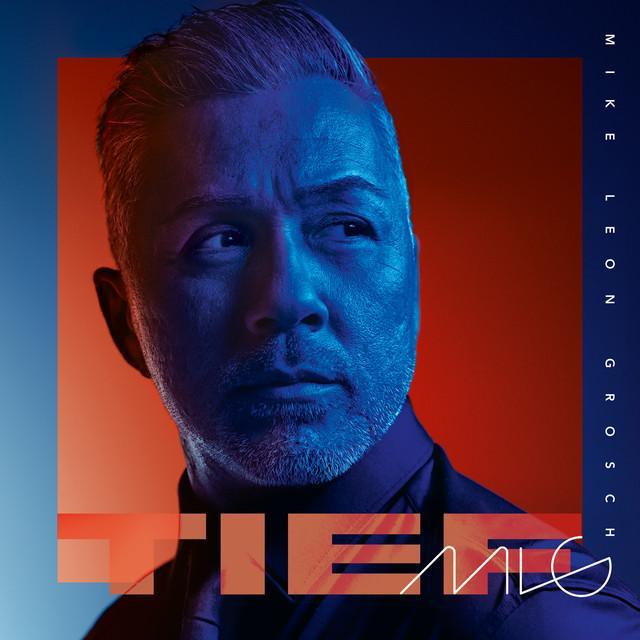
Why ‘Keiner darf dich sehen’ Feels So Unsettling
The meaning of Keiner darf dich sehen Mike Leon Grosch comes down to a painful contradiction: the song describes intense love that has curdled into fear, jealousy, and control. Instead of celebrating romance as something freeing, it shows a narrator who knows their attachment is becoming unhealthy.
"Keiner darf dich sehen" - Mike Leon Grosch
Deine Augen wirken gefährlich
Und wenn alle schauen, dann spür ich nur meine Angst
Loading lyrics...
Unable to load lyrics
We're unable to display the lyrics at this time. Please try again later.
That self-awareness is what makes the track stand out. They are not bragging about possessiveness. They are confessing it, and the confession sounds ashamed, frightened, and trapped.
A Love Song That Knows It Has Gone Wrong
At its core, the song is about wanting someone so badly that the feeling stops being tender. The narrator sees their partner as magnetic and beautiful, but every outside glance feels like a threat. Early details about a short dress and “dangerous” eyes set up that panic fast: attraction and fear arrive at the same time.
The key idea is not simple jealousy. It is jealousy mixed with helplessness. When the narrator admits feeling meine Angst
, the song shifts from observation to confession. They are not only worried about losing the partner; they are alarmed by what that worry is doing to them.
Interpretation: The song frames possessiveness as a crisis of self-control. The real enemy may not be other people at all. It may be the narrator’s own mind.
The Chorus Turns Desire Into Possession
The chorus is where the song’s meaning becomes sharpest. The narrator says this way of loving is einfach abnormal
and later calls it a Totalausfall
. In plain English, they are labeling their own behavior as broken and extreme.
Then comes the song’s central paradox: everyone should turn around to look, but keiner darf dich sehen
. That idea is the whole emotional engine of the track. The partner is presented as someone dazzling enough to be admired, yet the narrator cannot tolerate that admiration if it comes from anyone else.
This is what makes the chorus unsettling rather than merely dramatic. It is not saying, “You are special to me.” It is saying, “You are special, so I want to hide you.”
The Most Important Image Is the Golden Cage
The strongest metaphor arrives in the later verse with vergoldeten Käfig
. That image matters because a golden cage still remains a cage. It may look beautiful, valuable, and even loving from the outside, but it still limits freedom.
The next thought deepens that point: the narrator shows the partner to the world and then feels ashamed, because they realize the partner can never truly “fly” that way. In other words, admiration has turned into ownership.
Wie ein Vogelim vergoldeten Käfigdu so niemals fliegen kannst
This brief passage is the emotional heart of the song. It admits that controlling love can dress itself up as protection while quietly denying the other person autonomy.
How the Story Moves From Panic to Self-Accusation
The song follows a clear emotional timeline:
- The narrator sees their partner attracting attention.
- That attention triggers fear of loss.
- The fear becomes possessive thinking.
- They recognize the behavior is harmful.
- They still struggle to stop.
That last point is crucial. The narrator does not claim victory over jealousy. Instead, they sound stuck inside it. When they say they must put themselves “in chains,” the image suggests they know restraint is needed, but restraint does not come naturally.
Sound and Delivery Likely Deepen the Tension
Even without unpacking every production detail, the writing suggests a dramatic pop ballad or pop-rock setting built for emotional escalation. The repeated hook and strong confessional language point toward a chorus designed to hit hard and return often.
That matters for interpretation. A soaring melody can make obsessive thoughts sound seductive at first, which mirrors how possessiveness often hides inside romantic language. If the vocal delivery grows more urgent as the song moves forward, that would underline the narrator’s loss of balance.
The credited writers are Mike Leon Grosch, Daniela Grosch, Oli Nova, and Sandi Strmljan, as provided in the song information. That collaborative writing may help explain why the song feels both direct and polished: its emotional idea is simple, but the central metaphor is vivid.
One Song, Two Plausible Readings
There are at least two useful ways to hear the track.
Reading One: A confession about toxic jealousy
This is the clearest reading. The narrator is obsessed, afraid, and controlling. They know it is wrong, and the song documents that realization in real time.
Reading Two: A critique of romantic possessiveness itself
Interpretation: The song may also be pushing back against a common pop-music habit of treating jealousy as proof of love. By making the narrator openly call the feeling abnormal, it refuses to glamorize that instinct.
That second reading is why the track may resonate with listeners beyond its story. It names a feeling many songs romanticize, then shows the damage inside it.
Why the Song Lingers After It Ends
The meaning of Keiner darf dich sehen Mike Leon Grosch is powerful because it does not confuse intensity with health. It shows how easy it is for admiration to become fear, and for fear to become control.
In the end, the song is less about romance than about the moment someone realizes love is no longer acting like love. That honesty gives the track its sting.
Disclaimer: This article offers interpretation based on the lyrics provided and publicly available song information. Song meaning can remain open to different listener readings.








