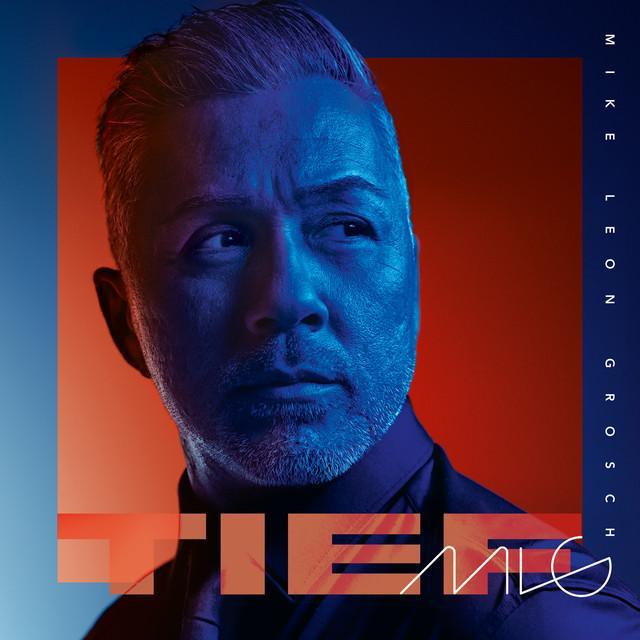
Why 'Mit dir die Zeit verlieren' Feels Eternal
The meaning of Mit dir die Zeit verlieren Mike Leon Grosch comes down to a beautiful tension: life is short, but love can still feel endless. The song does not pretend time can be stopped. Instead, it admits that everything is limited and then turns that truth into a reason to love more deeply.
"Mit dir die Zeit verlieren" - Mike Leon Grosch
Wir haben's immer gewusst
Uns're Liebe ist auf Zeit
Loading lyrics...
Unable to load lyrics
We're unable to display the lyrics at this time. Please try again later.
Mike Leon Grosch sings about two people who already know their relationship exists inside time. They know they cannot control the clock. Yet that does not make the bond weaker. It makes every moment more intense, more grateful, and more alive.
A Love Song Built on Mortality
From the opening idea, the lyrics frame love as something temporary. The pair have immer gewusst
that their love is auf Zeit
. In plain English, they have always known it lives inside limits. That is the emotional engine of the song.
Instead of reacting with panic, the lovers respond by choosing urgency and tenderness. They love as if tomorrow could end it. That is not hopeless. It is almost the opposite. The song argues that awareness of an ending can make a connection more honest.
Interpretation: This is why the track feels both romantic and bittersweet. It is not just saying, “I love you.” It is saying, “I know this world is fragile, so I will love you completely while I can.”
The Chorus Turns Lost Time Into Shared Time
The chorus gives the song its clearest emotional message. When the singer says mit dir die Zeit verlier'
, they are not talking about wasting hours. They mean becoming so fully present with someone that time stops feeling like a burden.
That idea grows stronger in the heartbeat image. The line about feeling every heartbeat turns love into something physical and immediate. This is not abstract forever. It lives in the body, in breath, in touch, in closeness.
The final wish, unendlich sein
, is the song's leap from reality into feeling. The lyrics admit life is finite, but the emotional experience of love can still feel infinite. That contrast gives the chorus its power.
The Key Images: Arms, Falling, and Release
One of the most important patterns in the song is the image of lying in each other's arms. Those moments create a safe space inside a world that cannot be controlled. When one person is held, they can fallen, fallen, fallen
. That repeated motion suggests trust, surrender, and emotional release.
There is also a spiritual note in the verse about souls being freed. The song moves beyond everyday romance and hints at something larger than physical attraction. Love becomes a bond that could outlast fear, shame, and even ordinary time.
Another strong line says there is nothing to regret and no taboo between them. That adds a sense of honesty. They are not protecting themselves with distance. They are trying to meet each other without walls.
How the Song Progresses Emotionally
The lyrics follow a simple but effective path:
- They admit love and life are temporary.
- They reject denial and choose to stay present.
- They find safety in each other's arms.
- They transform temporary life into a feeling of forever.
That structure is why the song feels easy to follow but still emotionally rich. Each section deepens the same core idea instead of changing subjects.
How the Sound Likely Supports the Meaning
Based on the lyric style and phrasing, the song fits a modern German pop-ballad approach, with a strong melodic chorus and emotional build. Grosch's delivery is central here: the repeated hook sounds designed to expand outward, almost like a promise getting larger each time it returns.
The likely effect of the production is contrast. Softer verses create intimacy, then the chorus opens up to match the desire for emotional infinity. Repetition in the hook mirrors the song's message too. By hearing the same plea again and again, the listener feels how badly the singer wants to hold onto the moment.
Even the wordless Oh-oh
ending matters. It lets feeling take over where explanation stops. In a song about love reaching past time, that kind of open vocal ending makes sense.
Artist Context and Writing Credits
According to the information provided, the song was written by Oli Nova, Mike Leon Grosch, Dominik Gassner, Sandi Strmljan, Daniela Grosch, and Jonathan Zelter. That broad writing team helps explain why the song feels polished and direct: the message is universal, but the phrasing stays personal.
Without verified release and production details from external sources, it is safest to focus on what is clear in the song itself. Factually, the writing credits point to a collaborative construction. Artistically, the result feels unified around one theme: accepting time without surrendering love.
A Second Reading: Romance or Life Philosophy?
There is an alternate way to hear the meaning of Mit dir die Zeit verlieren Mike Leon Grosch. It may be a love song, but it also works as a small philosophy of living. The lyrics suggest that since people cannot turn the clock back, the answer is not control. The answer is presence.
Interpretation: In that reading, the partner represents more than romance. They represent the person or place where life feels most real.
Why the Song Connects
The song connects because it names a fear many people carry: that beautiful things do not last. Then it answers that fear with warmth rather than despair. It says love does not need to beat time to matter. It only needs to be fully lived.
That is what makes this track feel comforting. It turns limitation into devotion, and passing time into proof that the moment matters.
Disclaimer: This interpretation is based on the lyrics provided and general musical analysis. Meaning can vary by listener, and without direct artist commentary, some points remain informed interpretation rather than confirmed intent.







