Why 'We Can't Stop' Became Miley's Breakaway
The meaning of We Can't Stop Miley Cyrus starts with a simple image: a party that refuses to end. But the song is bigger than bottles, dancing, and late-night chaos. It is really about control. They present a world where the people inside the room make the rules, protect each other, and ignore judgment from the outside.
"We Can't Stop" - Miley Cyrus
(Ooh, ooh, Ear Drummers)
It's our party, we can say what we want
Loading lyrics...
Unable to load lyrics
We're unable to display the lyrics at this time. Please try again later.
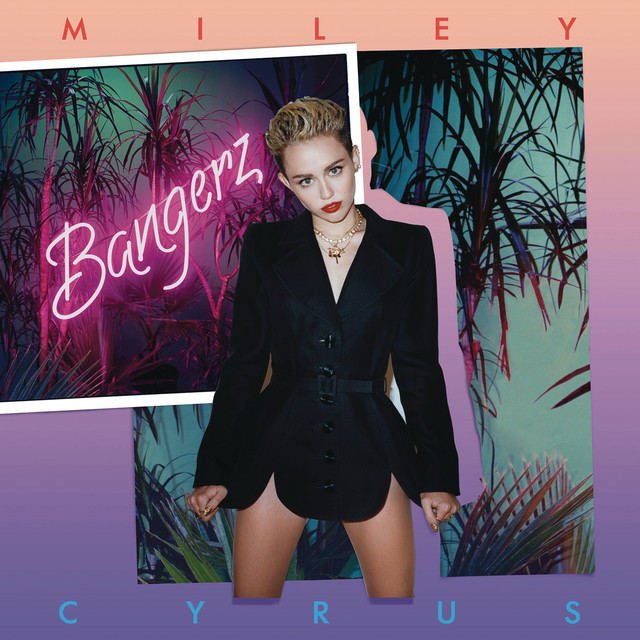
Released in 2013 as the lead single from Bangerz, the track helped announce a new phase in Cyrus's career. It was produced by Mike WiLL Made-It and became one of the songs that most clearly separated their adult pop identity from the Disney-era image many listeners still attached to them. That shift is part of why the song mattered so much in pop culture.
More Than a Party: The Song's Core Message
On the surface, the lyrics describe a loud house party: cups in the air, sweaty bodies, people packed into rooms, and a crowd that wants to stay up until sunrise. But the real point is not the event itself. The party becomes a symbol for self-governance.
The repeated claim It's our party
does more than set the scene. It argues that the people inside this space decide what is acceptable there. The song keeps linking freedom to speech, desire, and behavior. In plain terms, they are saying that outsiders do not get to define their relationships, their fun, or their identity.
That is why the hook feels so forceful. We can't stop
and we won't stop
are not only about staying awake. They sound like resistance. The words frame joy itself as an act of defiance.
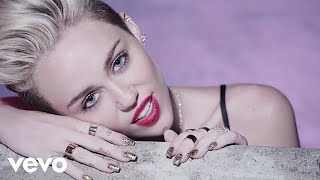
Watch the official We Can't Stop
music video
The Voice in the Room
The song speaks in a collective voice, which matters. Instead of sounding lonely or confessional, it sounds communal. The repeated use of “we” makes the track feel like a group manifesto rather than one person's diary.
That choice gives the song warmth as well as swagger. Even when the lyrics mention sex, substances, or reckless fun, they also keep returning to a feeling of shared ownership: this house, this night, this set of rules. The message is less "look at me" than "we belong to ourselves."
How the Chorus Turns Rebellion Into Identity
The chorus is where the song's meaning sharpens. When they say own the night
and 'bout that life
, the song shifts from description to identity. The party is no longer just an event. It becomes proof of how they live.
Interpretation: this is why the chorus connected so strongly with listeners who were not living Cyrus's celebrity life. Many people heard it as a broad statement about refusing shame, especially around youth culture, sexuality, and friendship. The words are loose enough to fit many listeners' own experiences.
There is also a defensive edge. The line about taking nothing from nobody suggests a fight against pressure, gossip, or moral policing. In that light, the song is not carefree in a simple way. It is carefree because it expects criticism and pushes back anyway.
The Images That Build the Song's World
The verses use quick snapshots rather than a detailed story. Red cups, bathroom lines, loud dancing, and bodies moving together all place the listener inside a crowded house party. These details matter because they create a believable setting for the song's larger argument about freedom.
One striking phrase is this is our rules
. Grammatically rough on purpose, it gives the line a blunt, spoken energy. It sounds immediate, like something yelled over music. That roughness helps the song feel less polished and more lived-in.
Some images hint at excess. References to heavy partying suggest both release and risk. The song does not really pause to judge that behavior, which is part of why it was controversial. Instead, it treats the night as a place where ordinary boundaries weaken.
It's my mouth, I can say what I want toIt's our house, we can love who we want to
These lines summarize the song's worldview: bodily freedom, emotional freedom, and control over personal space.
Why the Sound Matters So Much
Produced by Mike WiLL Made-It, the song blends pop melody with a softer, slower hip-hop pulse. The beat does not race. It lurches and sways, which gives the track a hazy, after-hours feeling instead of a clean dance-pop shine.
That sonic choice changes the meaning. A brighter, faster arrangement might have made the song sound simply celebratory. Here, the synths feel smoky and slightly woozy. The low-end is heavy, and Cyrus's vocal delivery often sounds half-sung, half-chanted. Together, those choices make the party feel sticky, intimate, and rebellious.
This is important in the context of 2013 pop. Cyrus was not only changing lyrics or fashion; they were changing sound. The single aligned them with producers and textures that signaled adulthood, nightlife, and a more provocative public image.
Artist Context and Public Reaction
Factually, We Can't Stop was released before Bangerz and became a major commercial hit. It also sparked widespread discussion because it marked a visible break from Cyrus's earlier brand. Reviews often noted how deliberately it introduced a more unruly persona.
Interpretation: that context deepens the song's meaning. It can be heard as both a party anthem and a career statement. In that reading, the real "party" is Cyrus claiming ownership over their own image, even if the public disliked the transformation.
Final Take on the Meaning
The meaning of We Can't Stop Miley Cyrus lies in the way it turns a messy party into a statement of independence. Its lyrics celebrate pleasure, but they also defend personal choice, group loyalty, and freedom from judgment.
That is why the song lasted. It is not subtle, but it is clear: they want a world where the people inside the room decide who they are.
Disclaimer: Song interpretation is never fully fixed. This reading blends lyrical analysis, production context, and public reception, but listeners may hear different meanings in the song.