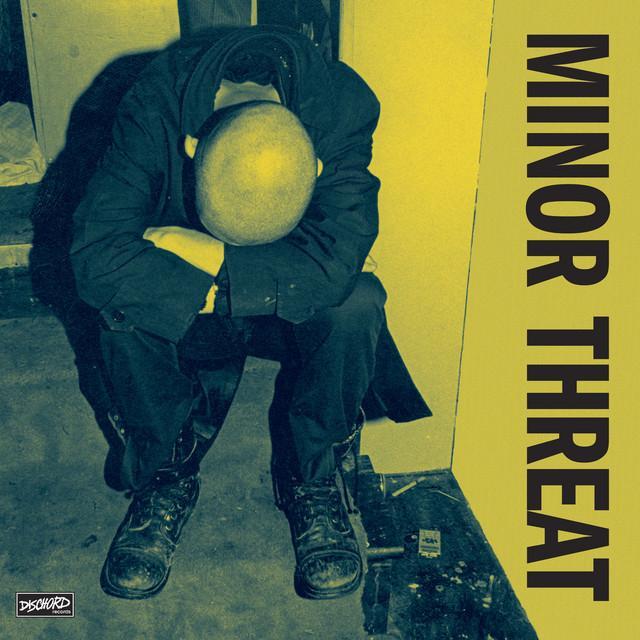
12XU by Minor Threat
A tiny song can still start a big argument. That is part of why the meaning of 12XU Minor Threat still pulls listeners in.
"12XU" - Minor Threat
Provided by LyricFind1-2-X-you!
Saw you in a mag
Kissing a manLoading...Loading lyrics...
Unable to load lyrics
We're unable to display the lyrics at this time. Please try again later.
A Cover That Became a Hardcore Weapon
Minor Threat did not write “12XU.” It was written by Wire members Bruce Gilbert, Colin Newman, Graham Lewis, and Robert Gotobed, and Minor Threat recorded it for the Dischord compilation Flex Your Head in 1982. Factually, Minor Threat were a key Washington, D.C. hardcore band active from 1980 to 1983, with releases on Dischord Records and a huge impact on U.S. punk culture.
Even so, their version feels fully theirs. Wire’s original comes from a late-1970s post-punk world, but Minor Threat turn it into a short blast of pressure. That matters for interpretation: the song stops sounding sly and starts sounding like a public shaming delivered at sprint speed.

Watch the official 12XU
music video
What the Song Seems to Be Saying
At its core, the meaning of 12XU Minor Threat seems tied to exposure, ridicule, and social panic. The singer keeps pointing to a scene of public evidence, repeating saw you in a mag
. That phrase suggests the target is not just caught doing something; they are caught in print, in public, and in a way others can judge.
Then the song repeats kissing a man
, which makes the accusation sharper. In plain terms, the narrator sounds like someone using a same-sex image as ammunition. The track does not calmly describe identity. It weaponizes scandal.
Interpretation: Many listeners hear the song as a portrait of homophobic mockery rather than a sincere moral statement. In that reading, the ugly force of the words is the point. The narrator sounds cruel, invasive, and obsessed, which can make the song feel like satire of panic rather than endorsement of it.
The Voice in the Song: Hunter, Witness, Bully
A narrator built from repetition
The song gives almost no backstory, but it gives a lot of attitude. Because the lines repeat so heavily, the speaker comes off as someone fixated on one image and unable to let it go. That obsessive structure is important.
Instead of a rounded character, listeners get a voice acting like a mob rumor. The target is reduced to a headline, a photo, or a scandal clip. When the song circles back to smoking a fag
, the line carries both a British cigarette meaning from Wire’s U.K. context and a slur-like charge in American ears. Minor Threat’s U.S. hardcore delivery makes that tension even more volatile.
Cornering as a theme
The repeated got you in a corner
suggests entrapment. It sounds like the target is trapped physically, socially, or psychologically.
Interpretation: That image of being cornered may be the song’s real center. More than any one detail, it conveys persecution. The narrator wants control, wants leverage, and wants the target to feel there is no escape.
Why Minor Threat's Sound Changes the Meaning
Minor Threat were known for extremely fast, concise hardcore punk. Their songs often pushed intensity through speed, hard-struck drums, and shouted vocals. Writers and historians regularly describe the band as one of the defining acts of Washington hardcore and an essential influence on later punk.
That style shapes this cover in a major way. The guitars do not soften the message; they sharpen it. Lyle Preslar later described his approach as using full power-chord voicings played fast, a method that helped make one guitar sound larger and heavier. In “12XU,” that kind of attack turns repetition into pressure.
The drums feel like a chase. The vocal delivery feels less conversational than accusatory. And the stop-start bursts around Flex Your Head
make the performance feel like a live scene spilling into the studio.
Got you in a cottage
Got you in a corner
Oh no no no
Those lines, in Minor Threat’s hands, sound less like storytelling and more like panic, taunt, and collapse happening at once.
Context Matters: Hardcore, Image, and Provocation
Minor Threat are often linked to straight edge because of songs like “Straight Edge,” but their catalog was broader than one idea. They were part of a DIY D.C. scene that valued intensity, independence, and confrontation.
Putting “12XU” on Flex Your Head also matters. That compilation helped define early Dischord and D.C. hardcore. In that setting, the track reads as a bridge between punk generations: Wire’s art-damaged provocation filtered through American hardcore speed.
Interpretation: This context supports a reading of the song as performance of social ugliness. Hardcore often exaggerated threat, mockery, or tension to expose how brutal public judgment could sound. That does not erase the sting of the words, but it helps explain why the song still feels unstable and difficult.
So What Is the Meaning of 12XU Minor Threat?
The clearest answer is that the song dramatizes exposure and humiliation. Someone is seen, named, and cornered by a hostile voice. The repetition makes that hostility feel mechanical, like gossip turning into punishment.
There are two strong ways to hear it:
- Surface reading: a nasty taunt aimed at someone caught in scandal.
- Deeper reading: a deliberately ugly portrait of homophobic panic, media voyeurism, and the cruelty of public shame.
Both readings fit parts of the song. What Minor Threat add is force. Their version makes the social violence impossible to ignore.
Final Take
The meaning of 12XU Minor Threat lies less in plot than in pressure. It is a song about what happens when a person becomes an image, and when that image becomes a target.
That is why the track still feels provocative. It captures the sound of accusation at full speed.
Disclaimer: Song interpretation is not an exact science. The analysis above separates factual background from informed interpretation, and listeners may reasonably hear the song differently.








