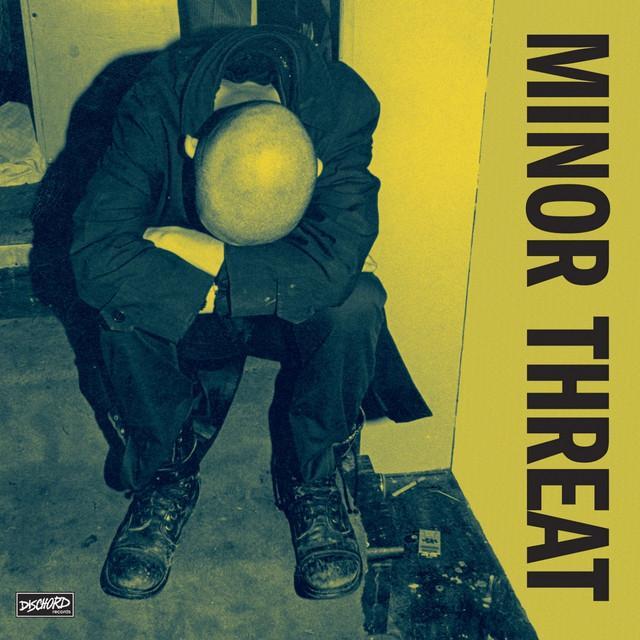
Why Minor Threat Meant Every Word Here
The meaning of I Don't Wanna Hear It Minor Threat comes through fast: this is a song about hitting a limit with someone who lies, brags, and never stops talking. In less than two minutes, Minor Threat turn that feeling into a hard refusal. They are not trying to debate the person. They are shutting the door.
"I Don't Wanna Hear It" - Minor Threat
All you do is talk about you
I don't want to hear it
Loading lyrics...
Unable to load lyrics
We're unable to display the lyrics at this time. Please try again later.
That directness is a big reason the song still lands. Minor Threat were a key band in early Washington, D.C. hardcore, a scene known for speed, intensity, and moral clarity. According to the band's Dischord Records page, the group included Ian MacKaye, Lyle Preslar, Brian Baker, and Jeff Nelson. Their songs often stripped an idea down to its rawest form, and this track is one of the clearest examples.
A Song About Drawing a Hard Line
At its core, the song is about refusing manipulation. The speaker faces someone who constantly centers themselves, stretches the truth, and expects to be heard anyway. The opening idea says it all: the other person does nothing but talk about you
—meaning themselves, their stories, and their own importance.
The next accusation raises the stakes. The speaker says none of it's true
, which turns simple annoyance into distrust. This is no longer about chatter. It is about dishonesty.
Interpretation: The song can be heard as a small personal scene—one fed-up person confronting another. But it also works as a larger statement against fake people in any scene, including punk itself. Hardcore often prized sincerity, so someone who talked big without truth would represent exactly what the band rejected.
Watch the official I Don't Wanna Hear It
music video
How the Lyrics Build Their Anger
The verses are simple, but they are carefully built. They move through a clear emotional sequence:
- The speaker is tired of hearing the person talk.
- They decide the stories are lies.
- Their patience runs out.
- They say the quiet part out loud.
That is why phrases like sick and tired
matter so much. The anger is not sudden. It sounds accumulated, like the speaker has listened too long already.
The chorus then strips everything down to one repeated refusal: I don't want to hear it
. Repetition in punk often acts like emphasis, but here it also feels like self-defense. They keep saying it because the other person keeps pushing.
Shut your fucking mouth
I don't care what you say
This is the song's sharpest moment, and it clarifies the whole track. The speaker is not asking for a better explanation. They no longer believe one is possible.
The Voice of the Song: Personal, but Not Fragile
Even though the lyrics use first-person language, the emotional effect is broader. The voice is personal, but it is not confessional in a soft way. It sounds public, confrontational, and almost communal, as if the band expect listeners to recognize this kind of person immediately.
That matters to the meaning of I Don't Wanna Hear It Minor Threat because the song is not mainly about sadness. It is about standards. The insult full of shit
is crude, but it is also precise. The speaker is judging not just what the person says, but the gap between their words and reality.
Interpretation: Some listeners hear this as a song about growing up around people who perform identity instead of living honestly. In that reading, the song is not just an insult. It is a demand for authenticity.
Why the Sound Hits as Hard as the Message
Minor Threat's music gives the lyric its force. The band are widely recognized as pioneers of hardcore punk, and recordings from the early 1980s show their signature traits: very fast tempos, short song lengths, sharp guitar attacks, and shouted vocals, all well documented through Dischord Records and the band's catalog history on AllMusic.
Here, the instrumentation mirrors the argument. The guitars are tight and urgent, the drums keep everything moving at a near-sprint, and the vocal delivery sounds like it is spitting out truth before patience disappears completely. There is almost no room for reflection, which fits a song about refusing more talk.
This matters because a slower or more melodic arrangement might have made the lyric sound wounded. Minor Threat make it sound decisive. The production is lean and dry, without much decoration, which keeps attention on rhythm, attack, and attitude.
Context Inside Minor Threat's World
Minor Threat are often discussed alongside the straight edge movement because of their song "Straight Edge," though the band's work covered more than one topic. As Dischord shows, their catalog is full of songs about self-control, frustration, social pressure, and personal ethics. "I Don't Wanna Hear It" fits that world because it rejects noise, fraud, and empty self-presentation.
In that sense, the song feels almost moral. Not moral in a preachy way, but in a blunt punk way: if someone keeps lying, there is no need to entertain them.
Why the Song Still Connects
Part of the song's lasting power is how common its situation remains. Almost everyone knows someone who dominates every conversation, bends facts, and keeps going long after trust is gone. Minor Threat compress that experience into a short blast of contempt.
That is why the song still feels modern. It speaks to overstated personalities, social posturing, and the exhaustion of hearing people perform themselves all day. The details are minimal, but the emotional target is clear.
Final Take on Its Message
The meaning of I Don't Wanna Hear It Minor Threat is simple in the best way: they are calling out dishonesty and refusing to give it more airtime. The song turns disgust into a boundary, and its speed makes that boundary feel immediate.
Interpretation disclaimer: Song meaning is never fully fixed. This reading is based on the lyrics, the band's early hardcore context, and the way the music delivers the words, but listeners may connect with different shades of the song's anger.








