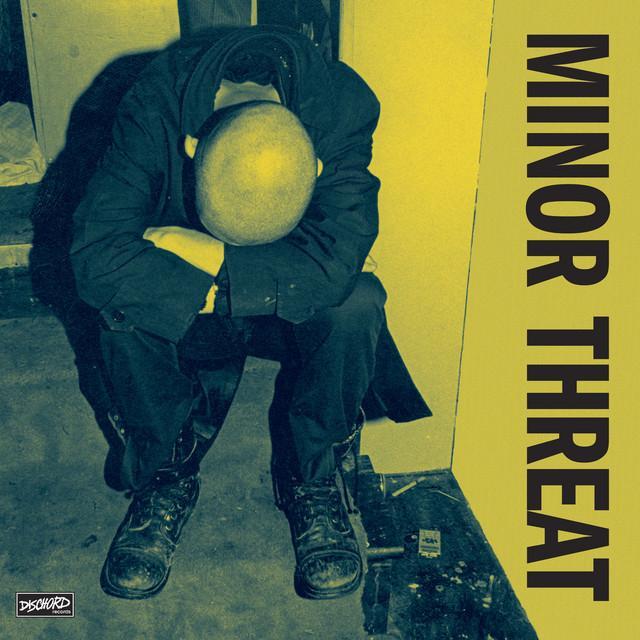
Steppin' Stone by Minor Threat
The meaning of Steppin' Stone Minor Threat comes down to one sharp idea: they refuse to be used. In this song, the speaker addresses someone who seems obsessed with status, fashion, and social climbing. What hurts is not only betrayal, but the feeling of being treated like a rung on someone else’s ladder.
"Steppin' Stone" - Minor Threat
I'm not your steppin' stone
You're trying to make your mark in society
Loading lyrics...
Unable to load lyrics
We're unable to display the lyrics at this time. Please try again later.
Minor Threat did not write the song. It was written by Tommy Boyce and Bobby Hart, then recorded in famous earlier versions before Minor Threat turned it into a hardcore punk blast. That matters, because their version changes the tone from sneering pop-rock into something harsher and more confrontational. The result is a song that sounds less like wounded sarcasm and more like a public boundary.
A breakup song with a social bite
On the surface, the story is simple. The speaker looks at a person who has changed. They once seemed ordinary and reachable, but now they act important, stylish, and socially strategic. The speaker sees through that transformation and rejects being part of it.
The key phrase, not your steppin' stone
, is the whole emotional center. They are saying they will not be used as a shortcut to attention, credibility, or social access. That phrase turns the song from complaint into self-defense.
This is why the song hits harder than a standard breakup track. It is not just about romance gone wrong. It is also about class signals, public image, and the way ambition can make people treat others like disposable props.
Watch the official Steppin' Stone
music video
How the verses build that meaning
The first verse paints a picture of manipulation and performance. The speaker accuses the other person of trying to make your mark
in society while relying on the same tricks once used in private. That suggests a pattern: charm and calculation are not accidents, but habits.
The references to magazines and clothing matter too. When the lyric mentions high fashion magazines
, it points to a world built on appearance and approval. The point is not that style is evil. The point is that image has become more important than sincerity.
In the second verse, the speaker remembers an earlier version of this person, before the rise in status. The line about having no shoes, followed by acting like front page news
, creates a sharp before-and-after contrast. They are not really mocking poverty or success. They are criticizing arrogance and forgetfulness.
Then comes one of the song’s most revealing ideas: careful friend selection. The social world here is exclusive, curated, and strategic. The speaker understands they no longer fit the image the other person wants to project. Instead of begging to stay included, they walk away.
Why Minor Threat’s version feels so different
Factually, Minor Threat were a key band in early D.C. hardcore, known for speed, intensity, and a stripped-down sound, as documented by Dischord Records and the Bandcamp Daily guide to D.C. hardcore. Their take on this song uses that style to sharpen its meaning.
The guitars are fast and abrasive. The rhythm section does not swing or relax; it pushes forward. Ian MacKaye’s vocal delivery sounds clipped and forceful, which makes the message feel less conversational and more like a direct warning.
Interpretation: In earlier pop versions, the song can sound cheeky and bitter. In Minor Threat’s hands, it becomes a statement of identity. They are not merely insulting a shallow person. They are defending personal dignity in a world that rewards image over honesty.
The chorus as a moral line
The repeated hook is so effective because it is plain. There is no poetic mist around it. It is a refusal anyone can understand.
I'm not your steppin' stoneNot your steppin' stone
Those lines work like a chant, and that simplicity is part of the power. The speaker does not negotiate. They do not ask to be treated better. They announce a limit.
That is one reason the meaning of Steppin' Stone Minor Threat still connects with listeners. Many people know what it feels like to be useful to someone only when that person wants something. The chorus turns that feeling into a clean, memorable act of resistance.
Themes: status, identity, and self-respect
Several themes run through the song:
- Social climbing: The other person seems eager to rise in status.
- Image culture: Fashion and public appearance stand in for authenticity.
- Selective belonging: Friendships are treated like symbols.
- Self-respect: The speaker refuses humiliation.
One of the smartest things about the lyric is that it does not make the speaker sound noble in a soft way. They sound angry. That anger matters because it shows wounded pride becoming clarity.
A punk reading of a classic insult
Interpretation: Minor Threat’s cover also fits punk’s distrust of fake scenes, shallow cool, and social hierarchy. Even if the lyric begins as a personal address to one person, their version makes it feel broader. It can apply to anyone who uses people as status markers.
That wider reading suits the band’s no-frills reputation. Critics and fans often connect Minor Threat with directness and principle, and this performance channels both. They take a clever put-down and turn it into a hardcore rejection of opportunism.
Final takeaway
So what is the song really saying? The meaning of Steppin' Stone Minor Threat is about refusing to let another person turn intimacy, loyalty, or history into a tool for self-advancement. The lyrics show someone recognizing vanity and manipulation, then deciding they will not be reduced by it.
Minor Threat’s version gives that message extra force. Through speed, aggression, and blunt delivery, they make the song feel like more than a breakup complaint. They make it sound like a principle.
Disclaimer: This interpretation is based on the released lyrics, performance style, and known artist context. As with most songs, listeners may hear different meanings in it.








