Why ‘I’ll Be Lovin’ You’ Feels So Steady
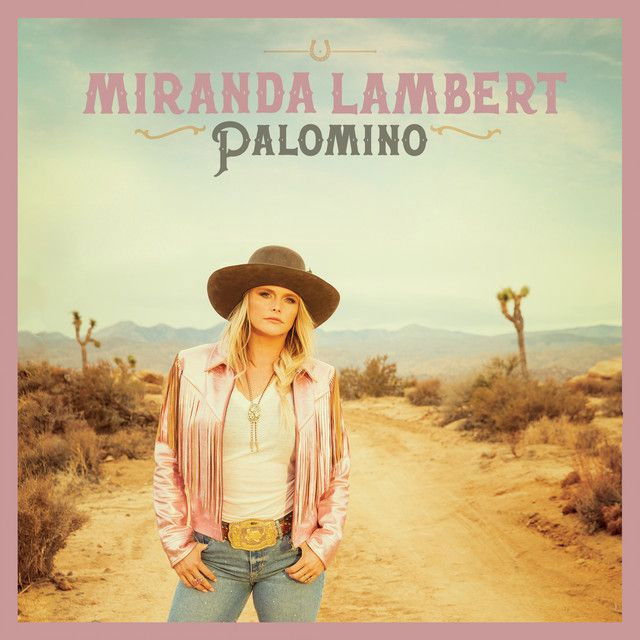
The meaning of I'll Be Lovin' You Miranda Lambert comes down to a simple but moving idea: real love survives motion, distance, doubt, and time. This is not a flashy love song. Instead, it sounds like a promise made after a long stretch of searching.
"I'll Be Lovin' You" - Miranda Lambert
Every stranger that I met
Well, I went my way
Loading lyrics...
Unable to load lyrics
We're unable to display the lyrics at this time. Please try again later.
Miranda Lambert co-wrote the song with Charles Dick and Jon Randall, based on the credits provided with the track information. That matters, because Lambert’s best writing often mixes toughness with tenderness. Here, they frame love as the one true thing left standing when everything else keeps changing.
A Love Song Built on Restlessness
From the opening, the singer is in motion. They move through highways and strangers, suggesting a life of travel and emotional drift. But the key twist arrives fast: even while they keep going, they admit they never fully left the person they love.
That is the emotional engine of the song. The narrator looks outward for something new, yet inwardly stays tied to one person. When they feel lonely or spiritually unsettled, they are still searching for what the lyric calls something true. In that sense, the song is not just about romance. It is also about recognizing what is real after trying other paths.
Interpretation: the song suggests that devotion becomes clearer after distraction fails. The wandering is not proof that love is weak. It is the test that proves the love is strong.

Watch the official I'll Be Lovin' You
music video
Why the Chorus Hits So Hard
The chorus carries the song’s central vow with the repeated line I'll be lovin' you
. That phrase is plain on purpose. It does not hide behind clever writing. It sounds like a commitment the singer has said to themselves many times before.
Another key phrase, the end of every road
, turns travel into a metaphor. No matter how far they go, every path leads back to the same emotional destination. The chorus also pairs that promise with open-sky images, including stars at night and a bright blue sky, which makes the feeling seem bigger than one moment.
This is why the hook works. It takes a life that seems scattered and gives it a center. The narrator may roam, but their heart does not.
The Search in the Verses
The second verse deepens the idea by showing the singer trying to find fulfillment in beauty, place, and even escape. They look for answers in impossible contrasts like roses in the snow
and in mountain imagery that sounds both grand and lonely.
Then the song adds one of its sharpest details: bottle in my boot
. That image brings in country realism. It hints at hiding pain, numbing feelings, or carrying around habits that do not solve anything. The line keeps the song from floating away into pure sentiment. It grounds the emotion in a human struggle.
So the verses do two jobs at once:
- They show a restless life filled with movement.
- They reveal that none of those experiences replace the bond at the song’s center.
That contrast gives the chorus its force. The promise matters because it comes after failed substitutes.
Images of Roads, Weather, and Song
Several motifs shape the meaning of I'll Be Lovin' You Miranda Lambert. Roads are the biggest one. In American songwriting, roads often symbolize freedom. Here, they also symbolize testing, delay, and return.
Weather imagery does important work too. Snow, dark, stars, and blue sky create emotional shifts between isolation and clarity. The narrator moves through those changing conditions, but the feeling stays steady.
Then the bridge adds a beautiful self-reference. It mentions Mandolin Rain
and ends with the loved one belonging at the end of my song
.
Through the joy and the pain
And the nights with the man in the moon
This is the song at its most poetic. Joy and pain are both included, which makes the love feel durable, not naïve. The mention of song itself suggests that music is where the singer makes sense of life. Even if they are, as the lyric says, out of tune, the devotion remains intact.
How the Sound Supports the Meaning
Without leaning on heavy drama, the writing suggests a production style that likely favors warmth over spectacle. The lyrics point toward a reflective country ballad, one shaped by acoustic textures, open space, and a steady vocal center.
That fits Lambert’s broader style, which often balances grit and grace across country, folk, and Americana settings. A song like this works best when the arrangement leaves room for the words to breathe. If mandolin or soft string textures appear, they would reinforce the bridge’s folk-country mood and the song’s sense of weathered tenderness.
Interpretation: the sound likely matters because this lyric needs calm confidence. A louder or busier arrangement would weaken the sense of settled devotion.
More Than Romance: A Song About Emotional Truth
One reason this song feels relatable is that it understands how people often learn love by circling away from it first. The narrator is not presented as perfect. They are lonely, searching, and sometimes hiding from themselves.
That makes the final promise more believable. They are not saying love is easy. They are saying it survives confusion. In that way, the song can be heard as both a romantic vow and a statement of identity: after all the detours, this is who they are and whom they love.
The Lasting Takeaway
The meaning of I'll Be Lovin' You Miranda Lambert is about constancy inside a restless life. Its highways, strangers, weather, and moonlit nights all point back to one truth: the singer keeps searching the world only to rediscover the same person in their heart.
That is what gives the song its quiet power. It turns wandering into proof of devotion, and it makes lasting love sound less like fantasy and more like a choice they keep making.
Disclaimer: This interpretation is based on the lyrics provided and general knowledge of Miranda Lambert’s songwriting style. As with any song, listeners may hear different meanings in the same lines.








