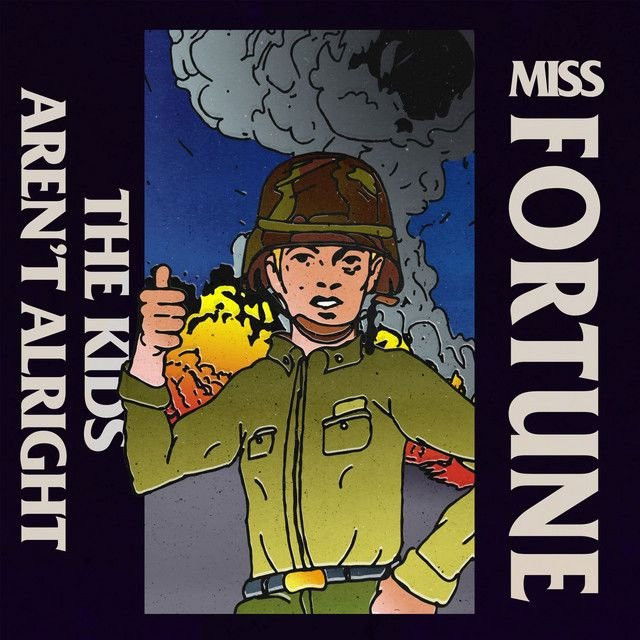
Why Miss Fortune's Kids Still Aren't Alright
The meaning of The Kids Aren't Alright Miss Fortune starts with a simple emotional turn: a bright memory becomes a hard adult truth. In Miss Fortune’s hands, this familiar song lands as a stripped-back reflection on promises that never came true.
"The Kids Aren't Alright" - Miss Fortune
The old neighborhood was so alive (Woah)
And every kid on the whole damn street (Woah)
Loading lyrics...
Unable to load lyrics
We're unable to display the lyrics at this time. Please try again later.
Factually, their version is a cover of The Offspring song, released June 26, 2020 on the acoustic project Cruel Summer during the band’s work with We Are Triumphant, according to the band history and discography gathered by Wikipedia’s overview of Miss Fortune. That context matters, because an acoustic cover often invites listeners to hear the sadness more clearly than the anger.
A Song About Broken Futures Close to Home
At its core, the song is about a neighborhood that once felt full of potential. Early on, the speaker remembers a time when the future was so bright
. That phrase sets up the song’s central contrast: hope in youth versus damage in adulthood.
Soon, that hopeful place becomes cracked and torn
. The song is not just saying people got older. It is saying the whole environment changed. Streets, homes, and lives all seem worn down together.
Interpretation: The strongest idea here is that disappointment is social as well as personal. The track does not treat failure as one bad choice by one person. It suggests that a whole local world has been swallowed by forces bigger than any one kid.

Watch the official The Kids Aren't Alright
music video
The Chorus Turns Memory Into Grief
The chorus gives the song its emotional summary. Phrases like longing for what used to be
and shattered dreams
make the point plain: this is a song about mourning not only people, but possibilities.
That is why the hook feels so heavy. It keeps returning to lost chances and the inability to fully understand how things went so wrong. The repeated feeling is not rage alone. It is disbelief.
Chances thrown, nothing's free
Still it's hard, hard to see
Those lines compress the song’s worldview. Life is costly, chances disappear, and hindsight does not make suffering easier to explain.
The Named Lives Make the Message Hurt
One reason the song remains powerful is its use of specific people. Instead of speaking only in general terms, it names lives that took painful turns. One person leaves school and starts a family early. Another is jobless and stuck at home. Others face suicide and overdose.
These details make the song feel like a street-level obituary for a generation. The question What the hell is going on?
is blunt because the losses feel too common to be random.
Interpretation: The song can be read as criticism of the American promise that hard work alone guarantees success. The people in the lyrics do not seem lazy caricatures. They feel like ordinary kids who were expected to thrive and then met a harsher reality.
Why Miss Fortune Was a Natural Fit
Miss Fortune have long worked in styles like post-hardcore, pop-punk, and alternative rock, and the band has roots in Tulsa, Oklahoma, and Denver, Colorado, with several releases charting on Billboard, as summarized by Wikipedia. That background makes this song a sensible choice for them.
Their catalog often leans into emotional directness, big hooks, and personal struggle. Even though Bryan Keith Holland wrote the song, Miss Fortune’s version fits their broader interest in wounded youth, setbacks, and survival.
The 2020 timing also adds a layer. Released during a year of isolation and uncertainty, an acoustic revisit to a song about broken communities could hit listeners with fresh force.
How the Acoustic Sound Changes the Feeling
The original song is known for upbeat energy colliding with bleak subject matter. Miss Fortune’s acoustic version likely shifts that balance. Without a full punk charge, the listener pays closer attention to the words, the pauses, and the human weight of each story.
That matters for meaning. Faster rock versions can sound like protest or warning. Acoustic versions often sound more like confession or remembrance.
Interpretation: In Miss Fortune’s take, the song may feel less like a neighborhood shouting its pain and more like someone quietly looking back, counting the people who never escaped. That softer frame can make lines about fragile lives seem even more devastating.
More Than Nostalgia, Less Than Judgment
It would be easy to hear this song as simple nostalgia, but that is too narrow. The lyrics do miss the past, yet they also ask what kind of system leaves so many young people behind.
Just as important, the song does not fully mock or condemn its characters. It presents outcomes that are sad, messy, and human. The tone is closer to grief than blame.
That balance is a major reason the song lasts. Listeners may hear their own hometown in it. They may think of one street, one class, one group of friends, and realize how uneven adulthood became.
The Lasting Meaning of the Song
So, what is the meaning of The Kids Aren't Alright Miss Fortune? It is a portrait of youth betrayed by reality. It says that dreams can fade not because they were foolish, but because life, place, money, and pain can close in fast.
Miss Fortune’s cover keeps that message intact while adding a more reflective mood. Their version reminds listeners that behind every broad statement about “a generation” are actual names, actual homes, and actual losses.
In the end, the song hurts because it feels recognizable. It sees a once-lively block, then admits that many of its kids did not make it out whole.
Disclaimer: This article offers interpretation based on the lyrics, songwriting credit, and release context. Meaning can vary from listener to listener.








