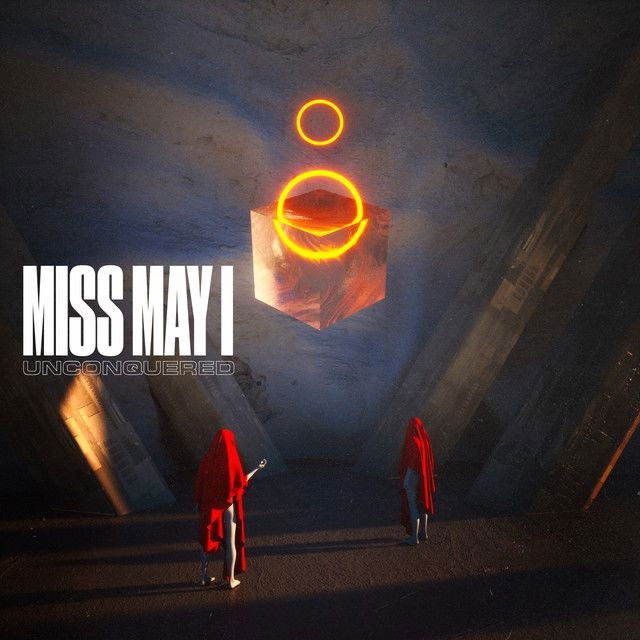
Unconquered by Miss May I
A battle song aimed inward
The meaning of Unconquered Miss May I centers on endurance. More specifically, it is about a person staring down fear, guilt, and mental collapse, then deciding not to surrender. Miss May I have long worked in a melodic metalcore lane that mixes harsh force with uplift, and that balance matters here.
"Unconquered" - Miss May I
Then I will remain
The last man standing
Loading lyrics...
Unable to load lyrics
We're unable to display the lyrics at this time. Please try again later.
The song does not present pain as something noble or easy. Instead, it sounds like someone trapped inside a crisis. They feel hunted by memory, crushed by pressure, and alienated even in public. But the hook keeps pushing toward defiance, especially with the repeated word Unconquered
.
That makes the song less a victory lap than a survival pledge. They are not claiming life is fixed. They are saying they will keep standing.

Watch the official Unconquered
music video
The speaker sounds isolated, but not defeated
A key line of thought in the verses is loneliness. When the narrator says I walk alone
, the idea is not just physical isolation. It suggests emotional separation, like they are surrounded by people who still cannot reach what is happening inside.
That feeling gets darker with images of closing walls and ghostly pursuit. The lyrics describe a mind under siege, where every step forward seems to reveal another threat. The phrase the monster I've become
is especially important because it points blame inward.
Interpretation: this is not simply a song about enemies in the outside world. It is also about self-recognition. The speaker fears what stress, rage, or despair has turned them into, and that fear raises the stakes of the song.
How the lyrics move from panic to resolve
The song follows a clear emotional arc:
- Opening stance: It starts as a declaration of resistance, almost like a motto for survival.
- Crisis in the verses: The narrator feels trapped, haunted, and cut off from peace.
- Moment of truth: They admit nobody else can do the inner work for them.
- Turn toward action: The lyrics insist that escape is not avoidance but passage through pain.
- Final rise: The ending becomes a call to reclaim life.
One of the song’s strongest ideas comes in the only way out is through
. Paraphrased, the message is simple: healing does not happen by running from pain. It happens by facing it directly.
That line gives the entire song its spine. Without it, “Unconquered” could sound like pure aggression. With it, the song becomes something more grounded and human.
Symbols of death, pressure, and rebirth
Miss May I load the lyrics with violent images, but they work mostly as emotional symbols. References to ghosts, blackout skies, and a weapon create a mood of dread. The world feels hostile, but the real threat is also internal collapse.
Then the imagery shifts. The song moves from suffocation to release, most clearly in the command Cut the noose
. That phrase turns the track toward rebirth. It suggests breaking free from despair, shame, or self-destruction.
This life is mine for the taking
And I will remain
Those lines sum up the transformation. Earlier, life feels like something closing in. By the end, life becomes something they can claim again.
Interpretation: listeners can hear this as a mental health song, a recovery song, or a general anthem for surviving hardship. The lyrics are broad enough to support all three.
Why the chorus hits so hard
The chorus works because it is blunt. Instead of getting lost in detail, it keeps returning to a single identity: unconquered. In metalcore, repetition often acts like a physical force, and that is true here.
Each return of the title feels like reinforcement. The word stops being just a description and becomes a goal. Even the line about bringing on pain is less about wanting suffering than refusing to be ruled by it.
That is why the chorus connects. It gives listeners a short, memorable phrase for a messy emotional state. In practical terms, it is the song’s way of turning fear into momentum.
The sound carries the message
Miss May I are an American metalcore band from Troy, Ohio, formed in 2007, and they are known for combining unclean vocals with clean vocal support and melodic riffing, a style documented in standard band histories such as their overview at Wikipedia. That musical identity shapes “Unconquered” in obvious ways.
The harsh vocals sound like panic and resistance at once. The cleaner melodic elements add lift, which keeps the song from sinking into pure despair. Fast drumming and dense guitars create the sense of pressure the lyrics describe, while the more anthemic sections open space for determination.
This matters because Levi Benton has said he aims to make inspirational music rather than simply angry music, a point noted in the same band summary. “Unconquered” fits that goal well. It is heavy, but its heaviness is used to push upward.
Where it fits in Miss May I’s catalog
“Unconquered” arrived in the band’s 2022 cycle and was one of the music videos associated with that era, with JOSIAHx credited as director in the band’s documented videography at Wikipedia. It also fits the broader spirit of Curse of Existence, an album period marked by darker imagery and emotional confrontation.
Within Miss May I’s catalog, the song stands out as a sharp example of their recurring theme: strength is not the absence of pain. Strength is what happens after pain has already entered the room.
Final takeaway
So, what is the meaning of Unconquered Miss May I? At its core, it is about surviving the version of life that feels unbearable and refusing to let inner darkness write the ending. The song acknowledges fear, self-hatred, and crushing pressure, but it does not stay there.
It argues that resilience is active. They must choose it, fight for it, and claim it. That is what makes “Unconquered” feel less like a fantasy of invincibility and more like a believable anthem for getting through the worst days.
Disclaimer: This interpretation is based on the lyrics, the band’s documented style and context, and reasonable critical reading. As with any song, listeners may connect with it in different ways.








