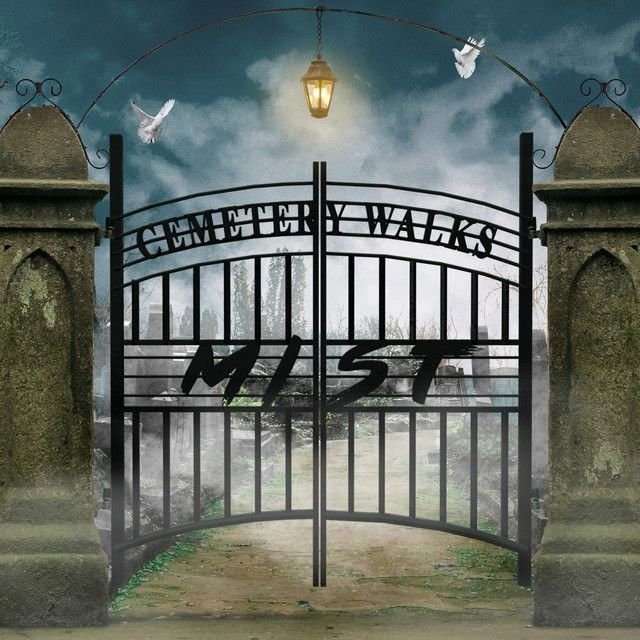
Why 'Cemetery Walks' by MIST Hits So Hard
The meaning of Cemetery Walks MIST lies in a painful contrast: they escaped material struggle, but not the grief that shaped them.
"Cemetery Walks" - MIST
Provided by LyricFindIt's a new energy, innit?
What you know about cemetery walks? (uh)
Cemetery talks to the gravestone but the gravestone don't talk (woah)Loading...Loading lyrics...
Unable to load lyrics
We're unable to display the lyrics at this time. Please try again later.
A Memoir Disguised as a Rap Song
At its core, “Cemetery Walks” is about bereavement, survival, and the emotional cost of making it out. The song does not frame success as a clean ending. Instead, it shows how fame, money, and status can sit beside unresolved mourning.
That is the first key to the meaning of Cemetery Walks MIST: they are not just telling a street-to-success story. They are writing a memory book in rhyme, moving chapter by chapter through family pain, prison, homelessness, faith, and guilt.
Interpretation: The title image suggests a ritual. A cemetery walk is not only a visit to the dead. It is a repeated act of remembering, asking questions, and hearing only silence in return.

Watch the official Cemetery Walks
music video
The Hook Turns Grief Into a Scene
The chorus is simple but heavy. When MIST says cemetery walks
and then adds I'm alone with my thoughts
, they connect a physical place to an inner state. The cemetery becomes a space where memory speaks louder than the outside world.
The line about the gravestone not answering is especially important. Paraphrased, they are speaking to someone they lost, but death offers no reply. That image makes the song feel intimate and helpless at the same time.
Last hug with my mum
was in the morgue
This is the song’s most devastating moment. In just a few words, MIST turns grief into a concrete memory. There is no poetic distance here. It is blunt, visual, and impossible to soften.
Why the Chapter Structure Matters
A clever part of the songwriting is the chapter format. Rather than telling one straight story, MIST divides their past into scenes, almost like turning pages in an autobiography.
That structure does three things:
- It makes the song feel documentary-like.
- It shows that trauma happened in stages, not all at once.
- It lets grief interrupt every chapter, even when the details change.
Early chapters recall childhood and school hardship. Later ones move through prison, housing instability, family deaths, and spiritual questions. By the time they reach the final chapters, the listener understands that survival was never one heroic moment. It was a series of brutal adjustments.
From Poverty to Fame, Without Emotional Escape
One of the sharpest ideas in the song is the jump from deprivation to luxury. MIST contrasts being unable to afford basic stability with later success, using the move from porch to Porsche as a symbol of changed status.
But the point is not celebration. The point is dislocation. Material life improves, yet the emotional center stays broken.
That tension is clearest near the end with unhappy in a mansion
. Paraphrased, they are saying that wealth can surround a person without healing them. The house is bigger, but the absence inside it is bigger too.
This gives the track unusual depth. Many rap songs use success as proof of victory. Here, success is real, but incomplete. Their mother never got to witness it, and that missing audience changes the meaning of every achievement.
Faith, Anger, and Questions With No Easy Answer
Religion runs through the song, but not in a simple way. There is gratitude to God, yet also frustration. There is prayer, but also confusion over why loved ones were taken.
When MIST wonders whether heaven is real, the question does not sound theoretical. It sounds like grief arguing with faith. They want comfort, but they also want an explanation.
Interpretation: This tension makes the song feel honest. Many people in mourning move between thanks, anger, memory, and hope. “Cemetery Walks” captures that unstable mix instead of forcing a neat conclusion.
How the Sound Supports the Meaning
Even without detailed official production credits available here, the performance itself points to the song’s emotional design. The beat feels spacious and reflective, leaving room for the words to land. The hook repeats like a thought loop, which mirrors rumination and grief.
MIST’s delivery also matters. They do not rap these memories like distant history. Their tone carries weariness, disbelief, and pride at once. That blend keeps the track from becoming either pure tragedy or pure triumph.
The result is a confessional rap song with anthem energy. The repeated refrain gives it a communal feel, but the verses remain painfully personal.
The Strongest Images in the Song
Several motifs hold the song together:
- Cemetery and gravestone: memory, death, unanswered speech
- Chapters: a life story broken into survivable pieces
- Court and prison: systems that shaped their path
- House, car, mansion: status changes that cannot undo loss
- Mother figure: the emotional center of the entire song
The image pictures on the wall
is small but powerful too. It suggests trying to preserve family and identity in unstable conditions. Even when life is stripped down, memory still demands space.
So What Is 'Cemetery Walks' Really Saying?
The meaning of Cemetery Walks MIST is that grief is not something success defeats. The song argues that pain can fuel ambition, but it can also outlive every visible win. They survived prison, poverty, and chaos, yet the deepest struggle is learning how to live after losing the people who defined home.
That is why the track lingers. It is not just a song about hardship. It is a song about the silence that remains after hardship becomes a career, a public image, and even a triumph.
Final Take
“Cemetery Walks” works because it is both specific and universal. Its details are deeply personal, but its core message is familiar: people can escape circumstances and still carry the past everywhere they go.
Disclaimer: This article offers an interpretation of the song based on its lyrics and publicly available context. Meanings can vary from listener to listener.









