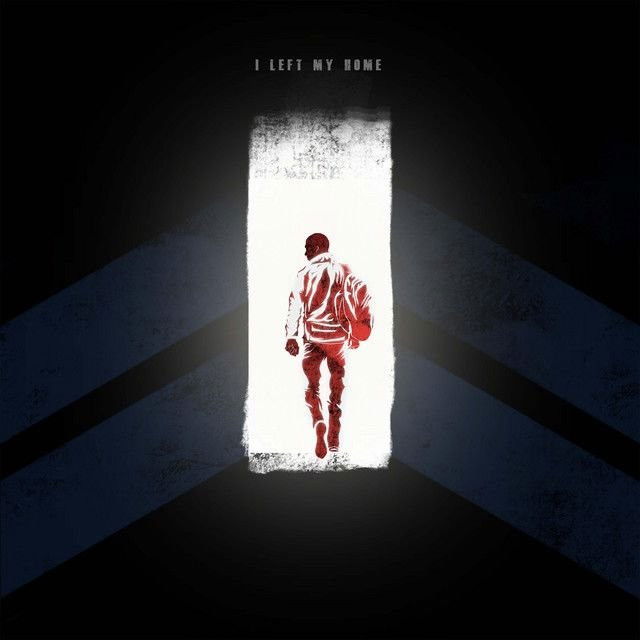
Why ‘I Left My Home’ Hits So Hard
The meaning of I Left My Home Mjhanks, Topher, The Marine Rapper starts with a simple idea: service asks for more than courage. It asks people to leave the people they love and carry that loss with them.
"I Left My Home" - Mjhanks, Topher, The Marine Rapper
To join the army, to join the army
I left my home, I left my home
Loading lyrics...
Unable to load lyrics
We're unable to display the lyrics at this time. Please try again later.
In this song, Mjhanks, Topher, and The Marine Rapper frame enlistment as both a duty and a wound. The repeated hook about leaving home is not just a plot detail. It becomes the emotional price tag of the whole track.
A Song About Duty That Never Feels Easy
At its core, the song is about sacrifice. The narrator leaves family, comfort, and freedom to serve. They describe military life as a path of growth and discipline, but never as something painless.
That balance matters. The verses celebrate effort, focus, and resilience with lines like look at me now
and one step at a time
. But those moments of confidence sit next to scenes of fear and grief, especially when the song shifts to the family members left behind.
Interpretation: The song is not only about joining the military. It is about what that choice costs everyone around the soldier, not just the soldier alone.
The Chorus Turns One Choice Into a Lifetime
The hook repeats I left my home
and to join the army
. Because it comes back again and again, the song makes that choice feel permanent.
Each return adds a new layer. First, the mother cries. Later, the wife is at the door. Then the child watches his father leave. The same action stays the same, but the emotional meaning grows. What first sounds like a statement of purpose slowly becomes a statement of loss.
The day I left
My momma cried
Would surely die
That brief moment captures the song’s tension. Service is presented as honorable, but the family hears danger first.
How the Verses Build a Full Story
The song moves in stages, and that structure helps explain its meaning.
- Self-transformation: The opening rap verse is full of determination. The narrator sees training and discipline as a way to conquer both outside pressure and inner battles.
- Family sacrifice: The next sections show what happens at home. A mother fears death, and later a wife and son are pulled into the same cycle of worry.
- Mission and legacy: The song then widens its lens. Service becomes about protecting others, honoring earlier heroes, and continuing a tradition.
- War’s reality: In the later verse, the language gets harsher. References to violence, weapons, and fallen brothers make clear that this is not abstract patriotism. It is lived danger.
That progression is one reason the track feels effective. It starts with confidence, then adds consequence.
Pride, Pain, and Inherited Identity
One of the strongest ideas in the song is that military identity can be inherited. The narrator mentions serving like their father and then realizing they have become like him. That line links personal choice with family legacy.
Interpretation: This suggests that enlistment is not only about politics or economics. It can also be about belonging, example, and the pressure of tradition.
The song also connects present-day service to Black military history. References to Buffalo Soldiers, Doris Miller, the Tuskegee Airmen, and Montford Point Marines place the narrator in a larger American story. Those names are not random. They signal honor, exclusion overcome, and the need to be remembered.
Because of that, the song carries two forms of pride at once:
- pride in serving the country
- pride in joining a longer historical line of Black service members
What the Harder Images Add
As the song goes on, the writing becomes more intense. Phrases about mortars, missions, and brothers lost in combat shift the song from recruiting-style confidence to battlefield memory.
Even a phrase like my assault rifle
is less about shock value than emotional numbness. It suggests a world where survival habits replace normal intimacy. That image helps explain why the song feels heavy even when it sounds triumphant.
This is also where the title idea deepens. Home is not just a place the narrator left behind. It becomes the normal life they may never fully return to.
How the Sound Supports the Message
The production style appears built for resolve: a steady beat, a chant-like chorus, and forceful rap delivery. Those choices make the song feel communal, almost like a march.
That matters for meaning. A marching rhythm mirrors military formation, while the repeated vocals make the hook sound bigger than one person. It feels like many voices carrying the same burden.
The contrast between melodic repetition and direct rap verses also works well. The hook sounds simple enough to remember, but the verses carry detail, history, and emotional weight. That split lets the song be both anthem and testimony.
The Most Useful Way to Read the Song
The best reading is that the track holds two truths together. It respects service and discipline, while also admitting fear, trauma, and family pain. It does not flatten military life into pure glory or pure tragedy.
That balance is why the meaning of I Left My Home Mjhanks, Topher, The Marine Rapper connects with listeners. The song says duty can be noble, and still hurt. It says pride can exist beside sorrow.
Final Take
In the end, I Left My Home is about what happens when commitment pulls a person away from the people who define home. Its power comes from showing the soldier’s pride and the family’s grief in the same frame.
This interpretation is based on the song’s lyrics and performance. As with any art, listeners may hear different meanings depending on their own experience.









