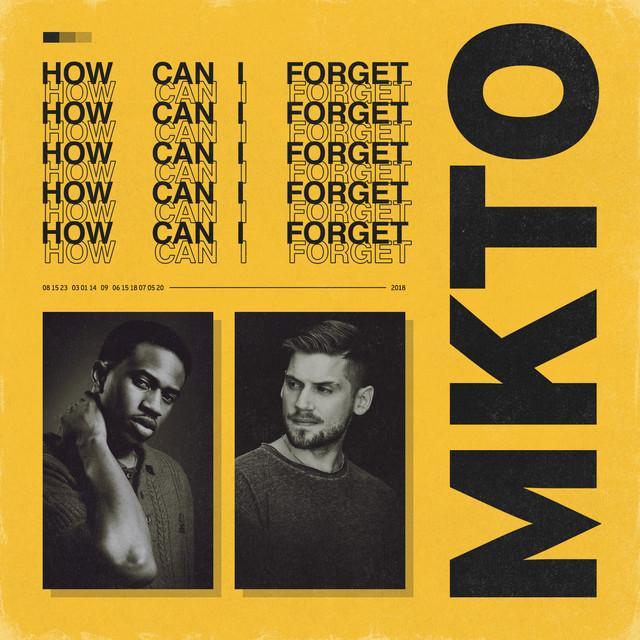
How Can I Forget by MKTO
MKTO’s “How Can I Forget” sounds bright, quick, and catchy, but its emotional core is much sadder. The meaning of How Can I Forget MKTO centers on a person who thought a romance might fade into memory, only to realize it has become stronger after the night is over. Instead of moving on, they keep replaying details, gestures, and what-ifs.
"How Can I Forget" - MKTO
Mmm, yeah, yeah, yeah
You wore that white sundress
Loading lyrics...
Unable to load lyrics
We're unable to display the lyrics at this time. Please try again later.
Released as a standalone single on August 22, 2018, the song arrived after the duo’s brief hiatus and was framed as both a relationship song and, in part, a thank-you to fans who stayed connected to them during the break. According to the song’s Wikipedia entry, Malcolm Kelley also connected the writing to a turbulent relationship at the time. That context matters because the song blends romantic memory with the fear of losing someone who still feels present.
A breakup song built from snapshots
What makes this track work is how specific its memories are. The narrator does not describe love in broad terms. They remember tiny images: a white sundress
, a clove cigarette
, messy hair, bare feet, and a Jeep with no gas money. Those details make the person feel real, not idealized in a generic pop-song way.
Interpretation: this is not just longing for a person. It is longing for a whole mood, a moment, and a version of life that felt vivid and free. The remembered woman comes across as slightly messy, tough on the surface, and impossible to fully pin down. That mix of affection and mystery is why forgetting feels impossible.
The song’s verses suggest the relationship may have been short or unstable, but emotionally intense. The narrator admits they let this person slip away, yet the mind keeps holding on. That gap between what ended in real life and what stays alive in memory drives the entire song.
Why the chorus hits so hard
The chorus asks the simple question How can I forget
, then answers it with I can’t, I can’t
. That repetition matters. It shows that the speaker is no longer searching for a solution. They already know forgetting is not going to happen.
The morning detail is especially important. Night often allows fantasy, desire, and nostalgia to grow. Morning usually brings clarity. But here, even daylight does not break the spell. The person is still there in the mind, almost like a dream that refuses to end.
wearin' my t-shirt
Wishin' that you could still be here
This brief image turns the song from flirtation into loss. It is domestic, intimate, and ordinary. That makes it hurt more. The narrator is not just remembering attraction; they are imagining closeness that now exists only in memory.
The emotional timeline inside the lyrics
The story unfolds in a loose but clear sequence:
- First, the narrator recalls the person through vivid physical details.
- Next, they reveal the contradiction that made her compelling: guarded, but likable; tough, but not unreachable.
- Then the song shifts into motion, with rain, late-night travel, doorways, and sudden disappearance.
- Finally, memory takes over completely, and the chorus admits defeat.
That movement gives the song a strong emotional arc. It starts as observation, turns into desire, and ends in obsession. Even the line about running through the rain suggests urgency. They are chasing a feeling that is already slipping away.
Beach-town imagery and the myth of the unforgettable girl
One smart part of the writing is its use of lifestyle clues. The lyric about growing up by the beach suggests ease, sunlight, and a laid-back persona, but also a kind of emotional distance. She feels close enough to picture, yet hard to keep.
Interpretation: the woman may not only be a real ex. She also functions as a symbol of youthful freedom. Her bare feet, messy hair, and loose style suggest someone who resists structure. That helps explain why the singer cannot mentally file her away. She represents a life that felt spontaneous and alive.
This reading fits the song’s California-pop atmosphere. The official video, described as Westworld-inspired and filmed at Point Dume in Malibu, leans into memory, simulation, and replay. In that visual setup, remembering becomes almost mechanical: the past keeps getting triggered whether the characters want it or not.
How the sound supports the meaning
Musically, “How Can I Forget” is pop, but it is not heavy-handed. At under three minutes, it moves fast and stays melodic. That lightness creates a useful contrast. The production feels breezy enough to sound like a summer single, while the lyrics carry regret underneath.
The writers and producers include Emanuel Kiriakou, Dag Lundberg, and Andrew Goldstein, with songwriting also credited to Malcolm Kelley, Lindy Robbins, Ray Jacobs, and Evan Bogart. Their polished style keeps the song from becoming too dark. Instead, it lands in that familiar pop space where heartbreak is danceable.
That contrast is the point. People often remember painful relationships through beautiful details. The song mirrors that process: bright surface, aching center. Its hook is easy to sing, which makes the inability to forget feel even more believable, because obsessive thoughts often arrive in loops.
A second meaning beyond romance
There is also a wider reading of the meaning of How Can I Forget MKTO. In coverage of the song’s background, the duo suggested it also reflected the bond with fans who stayed with them during their hiatus. That idea, noted in the same song overview, adds another layer.
Interpretation: the “you” in the song can work on two levels at once. On the surface, it is an ex or a fading romance. Underneath, it can also describe a connection that lasted despite distance and silence. That does not erase the breakup story, but it broadens the emotion from private memory to shared loyalty.
Why the song still connects
The reason this song sticks is simple: it understands that forgetting is rarely logical. People do not cling only to deep relationships. Sometimes they cling hardest to the almost-relationship, the intense night, or the person who never fully became theirs.
MKTO captures that feeling with concrete images and a chorus that stops pretending recovery is neat. The song says memory can be stubborn, even embarrassing, but also deeply human.
Disclaimer: This interpretation is based on the released lyrics, credited background, and public context. As with any pop song, listeners may hear personal meanings that go beyond the artists’ stated intent.







