Extreme Ways by Moby
They know the song as the curtain call of every Bourne film, but its heartbeat is personal, fragile, and fatalistic. The meaning of Extreme Ways Moby centers on thrill-seeking and the price that follows—how the high is magnetic and the fallout is familiar.
"Extreme Ways" - Moby
Extreme places I didn't know
I broke everything new again
Loading lyrics...
Unable to load lyrics
We're unable to display the lyrics at this time. Please try again later.
Going Too Far: The Seduction and the Cost
At its core, the song is about cycles of excess and consequences. When the narrator says Extreme ways are back again
, they admit the pattern is returning. The verses parade scenes of nocturnal chaos and isolation, while the hook names the inevitable collapse.
Interpretation: Extreme isn’t only about danger; it’s about the way danger can feel like salvation. The singer clings to the rush even as they brace for the crash.

Watch the official Extreme Ways
music video
Who’s Speaking, and What They Confess
The first-person voice is confessional and blunt. Lines like Dirty basements, dirty noise
sketch a world of after-hours dens and worn-out speakers—grimy, anonymous, and tempting. Later, I had to close down my mind
suggests numbing out to keep going. And I would stand in line for this
admits anticipation: the ritual of waiting for a fix, a club night, or simply another shot at feeling alive.
Interpretation: The “you” appears once as a taunt—did anyone really like this life, or are they lying to themselves? The song answers with its refrain.
What the Chorus Really Says
The hook doesn’t promise freedom; it reports a verdict.
Then it fell apart, it fell apart
Like it always does, always does
Interpretation: The chorus reframes every verse as prelude. The past felt novel, but the outcome is routine. That weary certainty is the song’s sting.
Symbols That Carry the Story
- Extreme: A temperature, a distance, a decision—everything pushed beyond safe limits. It’s both badge and warning.
- Dirt and basements: The underground circuit where time blurs.
Dirty basements, dirty noise
condenses nightlife into grit and hum. - Closing eyes/world: With
I had to close down my mind
, the narrator blocks input to survive output—classic burnout logic. - Lines and queues:
I would stand in line for this
ritualizes excess; desire becomes organized, almost civic. - Monday morning: The hangover of real life. The weekend’s fantasy meets fluorescent reality.
How the Sound Makes the Meaning Land
Moby builds a tense, cinematic bed: his vocal rides urgent string phrases and breakbeats. The track samples Hugo Winterhalter’s lush take on Everybody’s Talkin’ for its strings and classic drum breaks underneath. That contrast—elegant orchestration over gritty rhythm—mirrors the lyric’s push-pull: romance and ruin in one body.
Across the Bourne timeline, he kept reshaping it. For The Bourne Legacy, he recorded with a large orchestra alongside film composers, pushing the sweep while keeping the driving pulse. The hybrid of club momentum and symphonic lift makes the song feel both intimate and epic, like a private confession scrolling over end credits.
Context That Sharpens the Picture
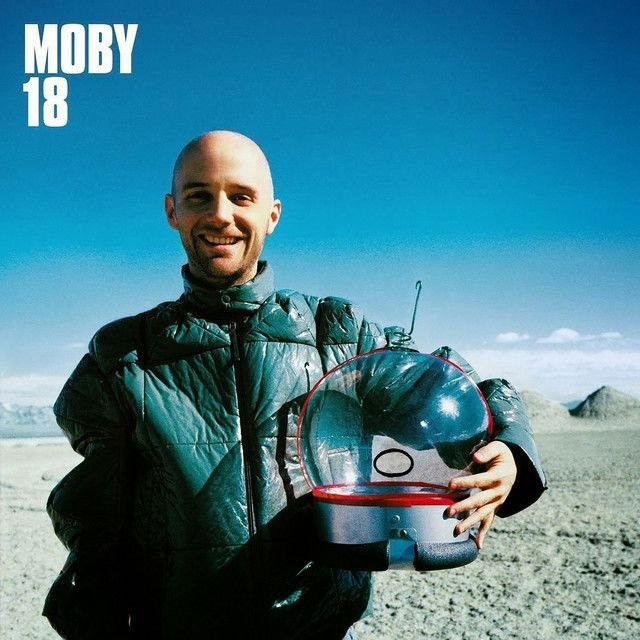
Released in 2002 on his album 18, the track found a second life when it closed all five Bourne films. Producers kept returning to it because the tone—restless, haunted, propulsive—fit Jason Bourne’s amnesia and the wreckage that trails him. Industry accounts have praised the song’s “perfect” energy and attitude for the franchise’s themes.
Moby has described the lyric as a romanticized look at darker temptations—seductive but destructive—and noted that he sometimes imagined more than he’d actually lived at the time. Years later, he got sober and titled his 2019 memoir Then It Fell Apart, echoing the song’s fatal refrain. The lyric became life’s headline, and then a chapter’s name.
A Quick Timeline Inside the Song
- The pattern returns:
Extreme ways are back again
—the cycle restarts. - The scene unfurls:
Dirty basements, dirty noise
—the underworld hums. - Numbing kicks in:
I had to close down my mind
—shields up. - Compulsion shows:
I would stand in line for this
—desire becomes duty. - The verdict drops: it falls apart—again.
Alternate Readings That Also Fit
- Interpretation: A wider portrait of addiction and recovery. The specifics (drugs, sex, nightlife) are less important than the loop: chase, numb, repeat, collapse.
- Interpretation: A meta-comment on fame. “Extreme ways” could be career choices and image-making; the “Monday morning” is the comedown after tours and parties. The song becomes a cautionary anthem dressed for the dance floor.
Takeaway: Why It Still Grips
Extreme Ways endures because it admits the truth: the rush is real, and so is the ruin. It moves like a chase scene, but it thinks like a journal entry. That tension keeps listeners—on couches or in theaters—leaning forward.
Disclaimer: Song meanings are subjective. This interpretation is one informed reading based on lyrics, context, and production.









