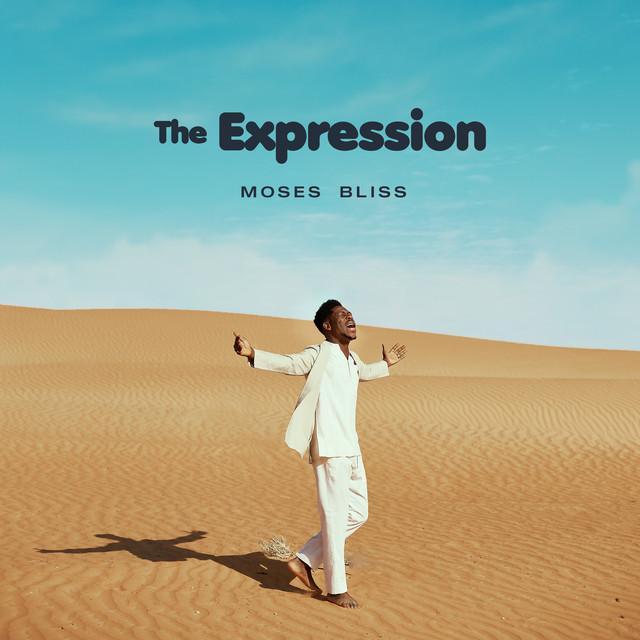
Your love by Moses Bliss, Chandler Moore
Why This Worship Song Lands So Deep
The meaning of Your love Moses Bliss, Chandler Moore centers on a simple but powerful idea: God’s love is undeserved, steady, and life-giving. The singer does not present themself as perfect or especially worthy. Instead, they sound amazed that divine love keeps showing up anyway.
"Your love" - Moses Bliss, Chandler Moore
Wey make you love me so daddy
No be say I too sabi
Loading lyrics...
Unable to load lyrics
We're unable to display the lyrics at this time. Please try again later.
That sense of surprise drives the whole song. Early lines admit confusion about why God loves them so much, using phrases like love me constantly
and lead the way
. In plain terms, the message is that grace is not earned by talent, effort, or moral success. It is given.
This makes the song feel personal and congregational at the same time. They sing from an individual place of gratitude, but the language is broad enough for many listeners to enter. That is one reason the track connects so easily in worship spaces.
A Testimony Built on Grace, Not Performance
At the heart of the lyric is a contrast between human limits and divine faithfulness. The singer says, in effect, they do not fully understand why they are loved, and they know they have not done anything extraordinary to deserve it. That confession matters because it shifts attention away from self-improvement and toward mercy.
The chorus sharpens this point. When they say It’s all I want
, they are not talking about romance or success. They are saying God’s love is enough, and grace is the true source of comfort. The image of grace as my warm embrace
turns theology into something felt: protection, closeness, rest.
Interpretation: This is why the song feels reassuring rather than dramatic. It is less about chasing a spiritual high and more about resting in something stable.
How the Verses Move the Story Forward
The song unfolds like a short testimony. Each section adds a layer:
- First, they admit wonder at being loved.
- Next, they credit God for guidance and survival.
- Then, they point to daily evidence of mercy.
- Finally, they declare that nothing can break that bond.
That progression gives the lyric a clear emotional arc. It starts with humility, moves into remembrance, and ends in confidence. The phrase Brand new mercy
is especially important because it suggests love is not a one-time rescue. It keeps renewing.
Nothing can ever separate
Separate me from
This brief moment acts like a turning point. The song moves from thankfulness into certainty. Love is not only present; it is unshakeable.
What the Repeated Names and Languages Add
One striking feature of the song is its use of African language and praise names, including Igbakalamisi
and the closing phrase Ifunaya gi Kachanma
. Even for listeners who do not know every term, the effect is clear: these are words of deep affection, honor, and awe directed toward God.
That multilingual texture does two things. First, it roots the song in Moses Bliss’ gospel world, where worship often blends English with local languages and praise expressions. Second, it widens the song’s emotional range. Instead of sounding formal, it sounds intimate and lived-in.
For U.S. listeners, that matters. The song shows how global gospel music can carry local identity without losing clarity. Its emotional center remains easy to grasp: wherever the language shifts, the focus stays on faithful love.
Moses Bliss, Chandler Moore, and the Worship Context
Moses Bliss is known for contemporary gospel that blends singable hooks with direct devotional language, while Chandler Moore brings a recognizable worship intensity shaped by his work in American gospel and church music. Their pairing gives the song both warmth and reach.
According to Moses Bliss’ official artist profile, his music often emphasizes gratitude, surrender, and testimony. Chandler Moore’s broader role in modern worship is documented through his Maverick City Music work, where spontaneous, emotionally open singing is central.
In this song, those styles meet well. Moses Bliss carries the grounded, thankful core. Chandler Moore’s presence adds a cross-cultural worship bridge, helping the song speak to African gospel audiences and U.S. worship listeners alike.
How the Sound Carries the Message
The production supports the lyrics by avoiding clutter. Rather than chasing a pop twist, the arrangement leans on familiar gospel tools: soft keys, a steady rhythm, layered vocals, and a gradual build. That musical patience mirrors the song’s theme of consistency.
Nothing about the track feels rushed. The melody leaves room for repetition, which is important in worship music because repeating a line can turn an idea into a meditation. When the song circles back to God’s love and grace, the arrangement makes those words feel settled, not overstated.
Interpretation: The warm harmonies and measured pace reinforce the idea that divine love is dependable. A louder, more aggressive production might have changed the message. Here, calmness is part of the theology.
The Big Meaning in One Sentence
If someone asks for the meaning of Your love Moses Bliss, Chandler Moore in one line, it is this: the song celebrates a love from God that does not depend on human worthiness and never runs out.
That is why the lyrics keep returning to mercy, guidance, and unbreakable closeness. The singer is not arguing a doctrine point by point. They are bearing witness to a relationship that has held them together.
Final Takeaway
The song’s strength is its clarity. It says that grace is real, daily, and stronger than failure. Through simple lyrics, repeated phrases, and gentle gospel production, it turns gratitude into a communal confession.
Listeners may hear different shades of meaning in specific lines, especially across languages and worship traditions. This article offers an interpretation based on the lyrics, performance, and available artist context.







