Why 'Crown Of Thorns' Still Cuts Deep
The meaning of Crown Of Thorns Mother Love Bone comes from a painful mix of love, addiction, pride, and collapse. Even before listeners know the band’s history, the song feels like someone trying to hold onto romance while watching their life come apart.
"Crown Of Thorns" - Mother Love Bone
Of Mr. Faded Glory?
Say, 'He who rides the pony must someday fall...'
Loading lyrics...
Unable to load lyrics
We're unable to display the lyrics at this time. Please try again later.
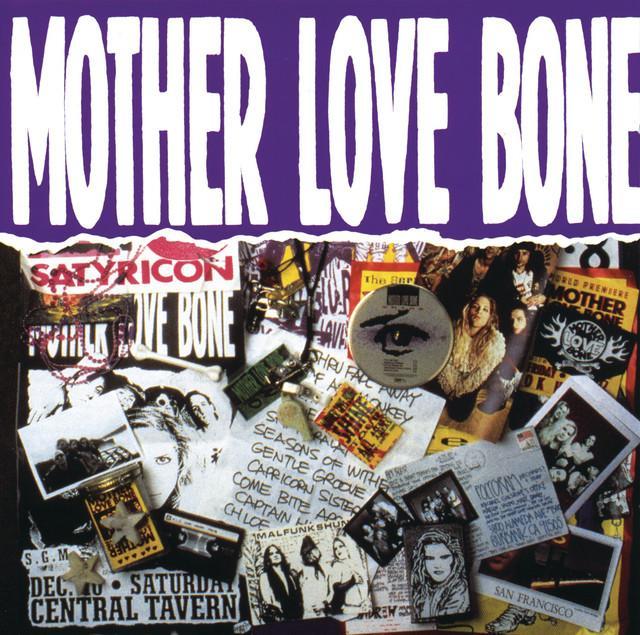
Mother Love Bone recorded the song during Seattle’s late-1980s rise, and it later appeared on Apple in 1990. It was written by Andrew Wood, Jeff Ament, Stone Gossard, Bruce Fairweather, and Greg Gilmore, and produced by Mark Dearnley with the band. In the bigger catalog, it is tied to the longer two-part piece “Chloe Dancer/Crown of Thorns,” first released on the 1989 EP Shine.
The Heart of the Song Is a Fall From Grace
At its core, the song presents a speaker who knows he is headed downward. Early on, the image of Mr. Faded Glory
frames a person who once carried beauty, charm, or promise, but now looks dimmed and damaged. The lyric about the one who rides high eventually falling makes the theme plain: status and swagger do not protect anyone forever.
Interpretation: This is why the song feels bigger than a breakup song. It is not just about losing a person. It is about losing control of the self.
The chorus deepens that idea. When the singer calls it my kind of love
and then says it moves on
, he describes a love that will not stay still long enough to save him. He wants intimacy, but he expects abandonment. That contradiction gives the song its ache.

Watch the official Crown Of Thorns
music video
Who They Seem to Be Singing To
The speaker appears to address a lover, but also talks to himself. That double address matters. He says he wants to express love, yet immediately doubts whether it matters. In plain language, he cannot trust his own feelings to fix what is broken.
There is also a harsh shift in how he sees the woman in the song. He says he once treated her with respect, then reduces her to a lesser role. That sounds cruel on purpose. It shows a damaged mind lashing out, not a stable narrator giving a balanced account.
Interpretation: The song captures how addiction and shame can warp love into blame. People who feel powerless often try to regain control by cutting someone else down.
A Story Shaped by Real Life
Context matters here. According to Songfacts and widely repeated accounts, “Chloe Dancer/Crown of Thorns” is closely tied to Andrew Wood, his heroin addiction, and his fiancée Xana La Fuente. She reportedly tried to help him get sober, and the “dancer” reference connects to a brief attempt she made to earn money while Wood chased success. Wood died of an overdose on March 19, 1990, after a relapse, a loss that deeply affected the Seattle scene.
That background does not make every line literal. But it does sharpen the song’s emotional stakes. References to the bottle, money problems, and doing time all suggest a life cornered by dependency and consequence.
Why the Chorus Hurts So Much
The chorus is simple, but that simplicity is what makes it sting. Instead of describing love as healing, the song presents it as unstable and even punishing. The phrase leaves me alone
lands like a final truth the singer keeps discovering over and over.
This is also where the title image becomes powerful. A crown of thorns
turns something royal into something painful. A crown usually means victory or identity. Thorns mean suffering. Put together, the title suggests a person trapped by the very image they wear.
Interpretation: The song may be saying that charisma, beauty, and rock-star self-myth can become a burden. The persona shines from the outside but cuts into the person underneath.
Sound That Carries the Wound
Musically, “Crown of Thorns” helps bridge glam-influenced drama and the heavier Seattle sound that would soon define the era. The guitars are big but not blunt. They ring and surge more than they crush, giving the song a sweeping, tragic shape.
Andrew Wood’s vocal is the key. He sounds theatrical, but not fake. He stretches words, cracks them open, and then pushes into near-shouts when the emotion peaks. Critics have described the larger “Chloe Dancer/Crown of Thorns” as “fantastically melancholy” and a “trancelike epic,” and those descriptions fit because the song floats and hurts at the same time.
The arrangement also mirrors the lyric. Verses feel unstable and conversational, while the chorus arrives like a confession the singer cannot escape. That repetition makes the emotional trap audible.
Why the Song Lasted Beyond Mother Love Bone
The song’s legacy grew after Wood’s death. It appeared in Cameron Crowe’s Say Anything... and later in Singles, helping introduce it to listeners outside the original Seattle scene. Pearl Jam, featuring former Mother Love Bone members Jeff Ament and Stone Gossard, began performing it live in 2000, turning it into a living tribute.
That afterlife matters because the song never sounds like a museum piece. It still feels immediate. The combination of personal pain, vivid symbolism, and open-ended writing lets each generation hear its own version of collapse and longing inside it.
The Lasting Meaning
So, what is the meaning of Crown Of Thorns Mother Love Bone? Most clearly, it is a song about love that cannot survive the damage surrounding it. It shows a speaker who knows he is hurting himself and the person near him, yet cannot stop the cycle.
Interpretation: The song’s deepest point may be that suffering is not always separate from identity. Sometimes people cling to the very role that wounds them.
That is why “Crown of Thorns” still feels so heavy. It is romantic, self-aware, bitter, and broken all at once.
Disclaimer: This interpretation is based on the lyrics, known band history, and public reporting. As with most songs, some meanings remain open to listener interpretation.







