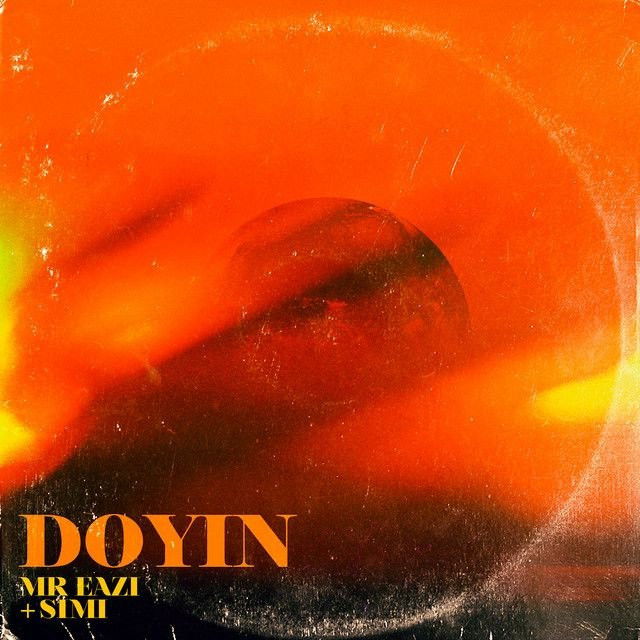
Doyin by Mr Eazi, Simi
The meaning of Doyin Mr Eazi, Simi comes down to a simple but relatable tension: desire is strong, but trust is not automatic. The song lives in that space between attraction and proof. They sing like two people drawn to each other, yet still negotiating what love should look like.
"Doyin" - Mr Eazi, Simi
Doyin
Your love dey high me like e be kpoli, yeah
Loading lyrics...
Unable to load lyrics
We're unable to display the lyrics at this time. Please try again later.
Mr Eazi and Simi are both major Nigerian pop voices, known for bringing warmth and personality into Afropop and alt-pop spaces. The song credits list Oluwatosin Oluwole Ajibade and Simisola Ogunleye as writers, matching the artists’ full names. That matters because the track feels tailored to their strengths: his laid-back charm and her sharp emotional clarity.
Where the Heart of the Song Sits
At its core, “Doyin” is about wanting someone whose love feels thrilling, while also questioning whether that love can be trusted. One side is almost intoxicated by romance. The other side refuses to be won over by sweet talk alone.
That split appears right away. The hook says the person’s love feels like a rush, summed up in the phrase love dey high me
. Paraphrased, the feeling is consuming and addictive. But in the same breath, there is disappointment when a promised meetup does not happen.
So the song is not just a love song. It is a flirtation under pressure. They like each other, but they are also testing each other.

Watch the official Doyin
music video
Two Voices, Two Standards
Mr Eazi’s side: praise and pursuit
Mr Eazi’s verses present the admirer’s view. He notices beauty, movement, and style, and he frames his feelings as urgent. When he says he has a pocket full of money
, the point is not only wealth. It is effort. He wants to show care through action, gifts, and presence.
That matters in Afropop, where spending can symbolize devotion, status, or courtship. Here, though, money is still secondary to emotional access. He sounds ready to invest, but he still needs the relationship to become real.
Simi’s side: affection must be proven
Simi answers with skepticism. Her central message is clear: don’t just talk. The line na story
dismisses empty promises, and you gotta show me
turns romance into a test of consistency.
She also asks for exclusivity. When she says the person must be only
if she is the one, she draws a boundary. In plain terms, they can’t claim love while keeping other options open.
How the Lyrics Build the Push-Pull
A useful way to read the song is as a short conversation with three emotional beats:
- Infatuation: one person feels swept away by love.
- Frustration: plans fall through, which raises doubt.
- Negotiation: the other person demands proof and loyalty.
That structure makes the song catchy, but also dramatic. The repeated name and hook keep circling back to longing, while the verses keep interrupting that fantasy with conditions.
Don’t leave me lonely
No tell me story
Even in this brief pairing, the emotional map is clear. One voice fears absence; the other rejects excuses. Together, they turn a breezy pop track into a mini relationship debate.
The Meaning Behind Its Key Images
The song’s biggest image is intoxication. Comparing love to a high suggests pleasure, loss of control, and dependence. Interpretation: this does not mean the relationship is destructive; it suggests that attraction can cloud judgment.
Another image is performance versus truth. Simi keeps separating spoken affection from real commitment. That creates one of the song’s strongest themes:
- attraction can be immediate
- trust must be earned
- exclusivity is part of seriousness
There is also playful language around elegance, dancing, and charm. These details make the love interest feel vivid and magnetic. But they also underline a point: physical attraction may start the connection, yet it cannot finish the argument.
Why the Sound Matters So Much
The production style helps explain why the song feels light even when the lyrics raise doubts. It moves with an easy Afropop bounce, soft percussion, and melodic vocals that keep the tension flirtatious rather than heavy.
Mr Eazi is often associated with Banku-style ease and understated delivery, while Simi brings a sweeter but firmer tone to emotional material. On “Doyin,” that contrast becomes part of the song’s meaning. His relaxed phrasing sounds persuasive and affectionate. Her cleaner, more pointed delivery sounds like someone setting terms.
Interpretation: because the instrumental stays warm and danceable, the song suggests that romantic uncertainty is not always a crisis. Sometimes it is simply part of modern courtship.
A Wider Artist Context
For U.S. listeners, “Doyin” is also a good example of how Nigerian pop often blends tenderness, slang, rhythm, and direct emotional stakes. Mr Eazi frequently leans into understated cool, while Simi often grounds songs with emotional intelligence and conversational honesty. This pairing works because neither artist cancels the other out.
Instead, they dramatize two familiar dating positions:
- the person saying, “I’m serious”
- the person replying, “prove it”
That is why the meaning of Doyin Mr Eazi, Simi feels so accessible across cultures. The language is specific, but the emotional question is universal.
The Best Way to Read the Chorus
The chorus is the emotional engine. It repeats the idea that love feels euphoric, but it also keeps returning to loneliness and delay. That combination is the whole song in miniature.
Interpretation: the hook is not celebrating blind romance. It is showing how powerful attraction can remain even when a person has reasons to be cautious.
Final Take on “Doyin”
In the end, “Doyin” is about chemistry meeting accountability. Mr Eazi brings longing, admiration, and pursuit. Simi brings standards, caution, and the demand for action.
That balance is what gives the song its staying power. It is sweet, skeptical, and danceable at once.
Disclaimer: This interpretation is based on the released lyrics and performance choices. As with any song, some meanings remain open to listener interpretation.









