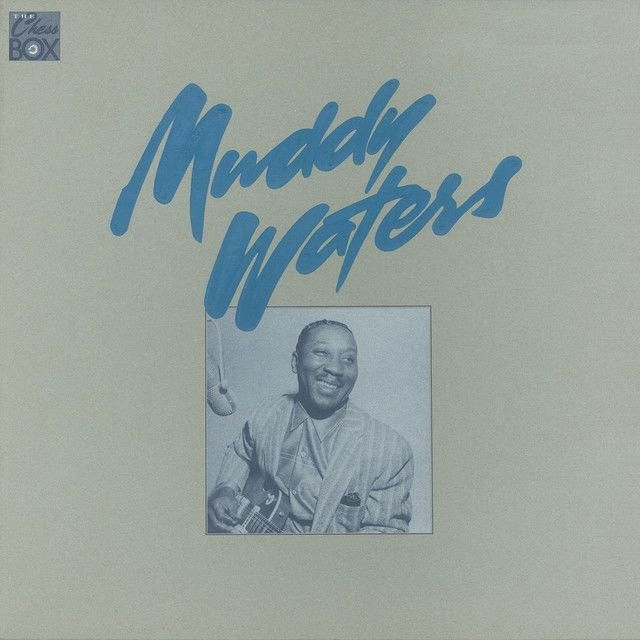
Why 'Rollin' Stone' by Muddy Waters Still Moves
The meaning of Rollin' Stone Muddy Waters starts with motion. This is a song about a man who does not settle down, does not stay tied to one place, and does not pretend to be easy to love. Muddy Waters turns that idea into something bigger than a simple travel song. He makes restlessness sound like fate.
"Rollin' Stone" - Muddy Waters
Swimmin in a oh, deep, blue sea
I would have all you good lookin women,
Loading lyrics...
Unable to load lyrics
We're unable to display the lyrics at this time. Please try again later.
Recorded in 1950 for Chess Records, the song was one of Muddy Waters' earliest key releases and the first Muddy single issued by Chess. According to Wikipedia, it sold about 70,000 copies, helped him leave his day job, and became hugely influential. Its title also helped inspire the names of both the Rolling Stones and Rolling Stone magazine.
The Heart of the Song Is Restless Identity
At the center of the song is a speaker who sees wandering as part of who they are. They are not just leaving town for one night. They believe they were born this way. That is the power of the phrase rollin' stone
: it suggests constant movement, freedom, and also instability.
The old proverb says a rolling stone gathers no moss. In other words, a person who keeps moving never puts down roots. Muddy Waters takes that proverb and makes it personal. The song does not sound ashamed of this life, but it does not sound fully happy either.
Interpretation: the song presents wandering as both pride and burden. The singer enjoys their pull on other people, yet they also seem trapped by their own nature.

Watch the official Rollin' Stone
music video
How the Verses Build the Character
Each verse adds a new side to the same man. Early on, Muddy uses animal imagery. The wish to be a catfish
in the deep sea is playful, but the point is clear: they want to be pursued, admired, and impossible to catch. The water image also hints at freedom. A fish belongs to movement.
Then the song shifts to romance and danger. When the singer visits a lover and hears my husband just now left
, the story becomes risky and sly. They are moving not only across roads, but across moral lines. This is not a stable domestic world. It is a world of quick entrances, quicker exits, and trouble always nearby.
The most important verse comes when the singer says their parents knew their future before birth. That line turns wandering into destiny. They are not making excuses; they are announcing a life script.
Gonna be a rollin' stone
Sure 'nough he's a rollin' stone
That brief refrain matters because it sounds like a verdict. The singer accepts it, maybe even embraces it.
A Blues Story Older Than Muddy, Yet Distinctly His
Factually, “Rollin' Stone” grows out of the older Delta blues family often called “Catfish Blues.” Similar images and lines appeared in earlier songs from the 1920s through the 1940s. But Muddy's version is not just a copy. Writers on the song have noted that people had sung this material for years in the Delta, yet it never sounded quite like this version.
That difference matters for interpretation. Muddy Waters took shared blues material and gave it a harder, more modern personality. He wrote the song under his birth name, McKinley Morganfield, and shaped the old floating verses into a clear statement of identity.
Why the Sound Feels So Haunted
A huge part of the meaning of Rollin' Stone Muddy Waters comes from the recording itself. This is a sparse solo performance: just Muddy's voice and electric guitar. There is no full band filling the space. That emptiness is the point.
The song moves at a mid-slow pace and creates a droning, almost hypnotic feel. Much of the vocal section stays centered on one chord, which gives it a modal quality tied to Delta blues. The result is tense and moody rather than busy or flashy.
Muddy leaves room between phrases. Notes hang in the air. The pauses feel like distance on an open road. His guitar does not decorate the lyric; it shadows it. His voice, meanwhile, sounds calm but rough, as if they have already accepted hard living.
Interpretation: the production makes wandering feel lonely. Even when the singer brags, the sound around them is bare. Freedom comes with empty space.
Confidence, Desire, and the Cost of Motion
The song balances swagger with weariness. The catfish image is boastful. The visit to the lover's house shows nerve. But by the final section, the singer seems ready to move again, promising to catch the first thing smokin'
and head back down the road.
That last image is important. Trains and roads in blues often mean escape, exile, work, danger, or reinvention. Here, the road sounds inevitable. They are not choosing home; they are choosing motion.
This is why the song still feels modern. Many listeners hear a person who values freedom but cannot build stability. Others hear someone surviving the only way they know how. Both readings fit.
The Song's Place in Music History
“Rollin' Stone” did not become a big national chart hit, but its afterlife has been enormous. Muddy reworked its melody and structure into “Still a Fool,” which reached No. 9 on the Billboard R&B chart. The song later influenced blues-rock players from Jimi Hendrix to the Rolling Stones. The Blues Hall of Fame also recognized it as a classic recording.
Its legacy helps explain why the song matters beyond its short running time. It forms a bridge between Delta blues roots and electric Chicago blues, and from there into rock. That historical weight deepens the song's meaning: a man in motion becomes a whole tradition in motion.
The Lasting Meaning of a Man Who Won't Stay
In the end, the meaning of Rollin' Stone Muddy Waters is about a self-image built on movement. The singer is seductive, dangerous, and emotionally hard to hold. They sound proud of that identity, but the lonely arrangement hints at what it costs.
That tension is what makes the song last. It is not simply about travel. It is about being shaped by restlessness until restlessness feels like destiny.
Disclaimer: This interpretation is based on the recorded lyrics, blues history, and documented context. Like most classic blues songs, “Rollin' Stone” supports more than one reading.








