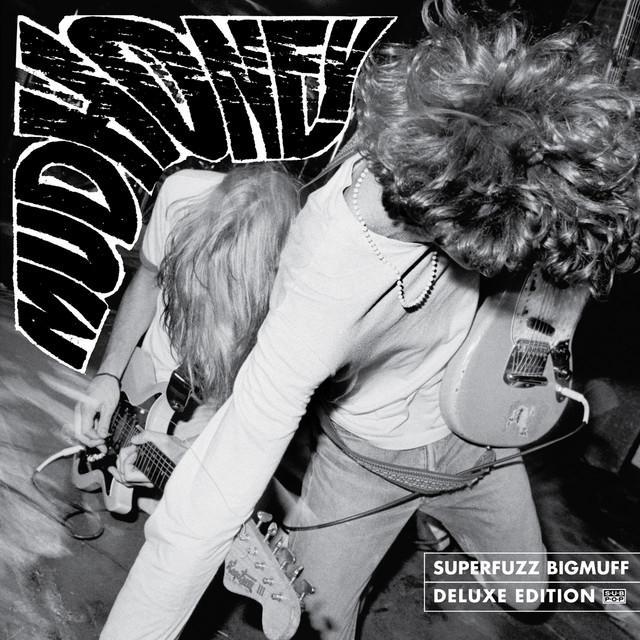
Why Mudhoney's Filth Became Grunge Gold
For anyone searching for the meaning of Touch Me I'm Sick Mudhoney, the key is simple: the song makes ugliness impossible to ignore. Instead of offering romance, heroism, or mystery, Mudhoney push a grotesque, needy voice right to the front. That voice is funny, repulsive, and weirdly catchy at the same time.
"Touch Me I'm Sick" - Mudhoney
Oh, wow, oh
I feel bad
Loading lyrics...
Unable to load lyrics
We're unable to display the lyrics at this time. Please try again later.
Released in the late 1980s, the single is widely seen as one of the earliest defining grunge statements. Rolling Stone Australia even called it the first genuinely great grunge song, noting its "gritty guitar riff" and "scuzzy lyrics" as part of its impact. That reputation matters because the song is not just rude for shock value. It helps explain what grunge would become: messy, sarcastic, loud, and allergic to polish.
A Love Song Turned Inside Out
At the most basic level, the song presents a speaker who advertises his own decay. He says he feels awful, calls himself a creep, and then still demands attention. Short lines like I feel bad
and I'm a creep
do not ask for pity. They sound more like self-exposure used as a weapon.
Interpretation: many listeners hear this as a parody of rock swagger. In older hard rock, a frontman often boasts about sex appeal. Here, the speaker does the opposite. He announces that he is rotten and still acts entitled to desire. That twist makes the song both comic and hostile.
The title hook, Touch me, I'm sick
, captures that contradiction in one punch. It mixes intimacy with danger. Touch usually means comfort or sex. Sickness means contamination. Putting them together creates the song's central joke and threat.

Watch the official Touch Me I'm Sick
music video
The Narrator Is Gross on Purpose
The voice in the song is first-person and very direct. He admits he is full of rot, diseased, and not likely to last long. None of that is framed with regret. If anything, he sounds proud of how far gone he is.
That is what gives the song its power. Rather than confessing weakness in a tender way, the speaker turns self-loathing into aggression. When he says I don't mind
, it suggests he has stopped caring about health, shame, or consequences.
Interpretation: this can be read as a portrait of masculine insecurity. The speaker sounds so damaged that the only way he can seek closeness is by making it ugly, coercive, and extreme. He does not know how to ask for love, so he turns need into menace.
How the Chorus Traps the Listener
The chorus is repetitive, blunt, and impossible to soften. Mudhoney do not decorate it with complex imagery. They hammer the same phrase until it feels less like an invitation and more like a dare.
That repetition matters because it mirrors obsession. The song keeps circling the same contaminated idea: closeness without safety, desire without tenderness, lust without glamour. Even the threat that someone will die alone
if they refuse adds to the ugly pressure. The speaker tries to make loneliness sound worse than contamination.
One Short Lyric Snapshot
Before and after this moment, the song presents desire as a taunt rather than a romance:
Come on baby, now come with me
If you don't come
You'll die alone
In plain terms, he is not offering affection. He is bullying someone with fear of isolation. That makes the song feel less like seduction and more like a cartoonishly toxic pickup line.
The Sound Says as Much as the Words
The meaning of Touch Me I'm Sick Mudhoney also lives in the sound. The guitars are fuzzy, overdriven, and proudly dirty. The drums hit with a garage-rock looseness, and the vocals sound sneered more than sung. According to Rolling Stone Australia's retrospective, the track opens with a noise that sounds like a burp, which immediately undercuts any idea of rock-star elegance.
That production style is not accidental decoration. It reinforces the lyrics' talk of rot and disease. The song does not just describe filth; it seems to wear it. The distortion acts like sonic grime.
This is one reason the track became so important to grunge history. It connects punk's abrasion to heavy rock riffs, but refuses the clean, technical finish that dominated much mainstream rock. Mudhoney made ugliness into an aesthetic choice.
Why It Mattered Beyond One Single
Historically, the song carries extra weight because it helped announce the Seattle underground before grunge became a global label. Critics often point to it as a key early marker of the style. Rolling Stone Australia argues it signaled the start of something important, and it later echoed into pop culture when Cameron Crowe referenced it in Singles with the joke title "Touch Me I'm Dick."
That legacy shapes how people hear the song today. Even if a listener finds it crude or funny, they can also hear a blueprint: anti-glam posture, self-mockery, loud fuzz, and a refusal to make desire look noble.
Final Read: Seduction, Satire, and Self-Disgust
So what is the final takeaway? The song is about attraction stripped of romance and exposed as something needy, manipulative, and half-rotten. Its speaker admits he is broken, then uses that brokenness like a badge.
Interpretation: the smartest way to hear it is as both a character sketch and a cultural statement. It mocks the idea that rock desire is clean or cool, while also embracing the thrill of being offensive. That double move is why the track still feels alive.
Readers looking for the meaning of Touch Me I'm Sick Mudhoney usually end up in the same place: the song turns disgust into identity, and identity into sound.
Disclaimer: This interpretation separates documented context from critical reading. Like many punk and grunge songs, its meaning remains open to multiple listener interpretations.








