Death Blooms by Mudvayne
Why This Song Hits So Hard
The meaning of Death Blooms Mudvayne centers on decay, helplessness, and the fear of watching someone fade away. On the surface, the song sounds like pure rage. Underneath, it is much sadder than that. They build a picture of a body failing, a mind trapped inside it, and a family forced to face death before they are ready.
"Death Blooms" - Mudvayne
With age mark off the day reflections of my life are fading
Pull me out of body don't want it don't want in
Loading lyrics...
Unable to load lyrics
We're unable to display the lyrics at this time. Please try again later.
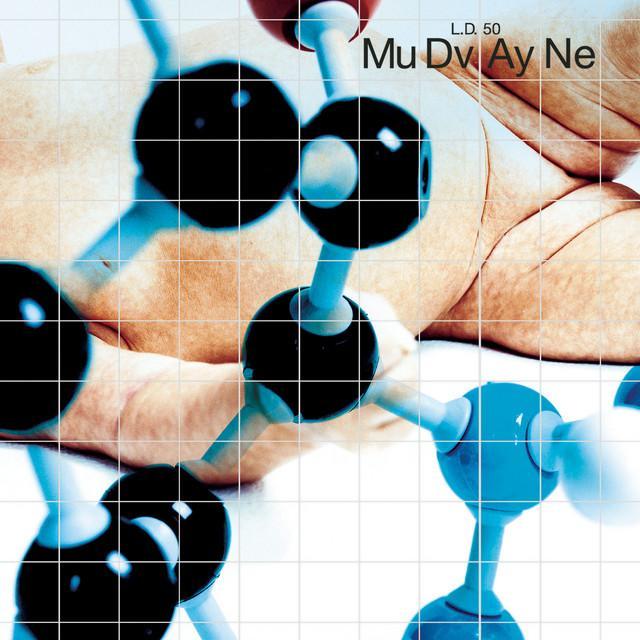
Mudvayne released the song on their debut album L.D. 50, a record that helped define the more technical, restless edge of early-2000s nu metal. The band’s lineup for the song is well documented, and the album was produced by Garth Richardson, whose heavy but clear sound gave Mudvayne room to be brutal and precise at once.

Watch the official Death Blooms
music video
The Core Meaning: A Loved One in Decline
At its heart, this song is usually understood as being about terminal illness and the emotional wreckage around it. The lyrics describe a body as weak, damaged, and no longer a safe home. When the singer pleads pull me out of body
, the idea is not freedom in a heroic sense. It sounds more like a desperate wish to escape pain.
That feeling keeps returning. The body is framed as a structure that's collapsing
, which turns illness into architecture: something once solid is now falling apart from the inside. That image is simple, but it carries a lot of weight. It suggests helplessness, because no amount of willpower can hold up a building that is already giving way.
Interpretation: Many listeners hear the song as being connected to a relative suffering from cancer or another wasting disease. The lyrics strongly support that reading, even when the band leaves room for broader meaning.
Childhood Memory Against Present Pain
One of the most moving shifts in the song comes when it leaves the language of decay and remembers ordinary joy. The speaker wants to run fly kites
and return to play, water, and movement. Those images matter because they are so normal. They contrast sharply with the trapped feeling in the heavier sections.
Instead of dramatic fantasy, the song reaches for simple childhood freedom. That makes the grief feel more real. They are not longing for power. They are longing for health, innocence, and the basic ease of being alive.
God please take me away
on the other side
This is the article’s clearest spiritual turn. The song moves from physical suffering to thoughts of release, judgment, and what might come after death.
Faith, Anger, and the Search for Release
Religion appears throughout the lyrics, but not in a calm or settled way. God is asked for mercy, then challenged. The speaker wants peace, but they are also furious at waiting for it. That mix is one reason the song feels believable. Real grief is often messy, not tidy.
When the lyric reaches death blooms
, the title image lands with awful beauty. Death is not pictured as a single moment. It spreads like a flower opening, which makes dying feel gradual, organic, and impossible to stop. The image is striking because flowers usually suggest life. Here, blooming becomes corruption.
Interpretation: The song may be describing both the dying person’s inner voice and the family’s horror from the outside. Mudvayne blur those perspectives, which makes the track feel trapped between witness and victim.
How the Music Carries the Meaning
A big part of the meaning of Death Blooms Mudvayne comes from the performance, not just the words. Ryan Martinie’s bass does more than support the riffs. It twists around them, creating instability. That musical unease mirrors the lyric’s sense that nothing in the body is working the way it should.
Chad Gray’s vocals also shift between barked aggression and lines that sound close to collapse. He does not sing grief in a polished way. He spits it out, as if language itself is failing. That matters because the song is about limits: the limits of flesh, faith, and control.
The drumming and stop-start guitar patterns add to the feeling of panic. Instead of a smooth groove, the track lurches and strikes. It feels medical in a strange way, like alarms, spasms, or sharp breaths. Information about the album’s release and credits can also be found via AllMusic, which notes the record’s place in Mudvayne’s breakthrough period.
Why Listeners Still Connect With It
Part of the song’s staying power is that it never softens its subject. Many rock songs about death aim for comfort or closure. This one does not. It stays inside confusion, fear, and disgust. For listeners who have seen illness change someone they love, that honesty can feel closer to the truth.
It also helps that the song avoids being only personal. Even if someone does not connect it to a specific illness, they can hear it as a song about being trapped in any kind of collapse: physical, mental, or spiritual. That wider meaning is why fans still discuss it decades later.
A Final Reading of "Death Blooms"
In the end, the meaning of Death Blooms Mudvayne is less about death as a dramatic event and more about the slow approach toward it. The song captures the horror of watching life fade, the wish to escape pain, and the anger that rises when faith offers no easy answer.
Mudvayne make that message hit harder by pairing vivid body imagery with unstable, technical heaviness. The result is a song that feels ugly on purpose, because the subject is ugly too. That honesty is what gives it power.
Disclaimer: This interpretation is based on the lyrics, known album context, and common listener readings. As with many songs, parts of “Death Blooms” remain open to personal interpretation.







