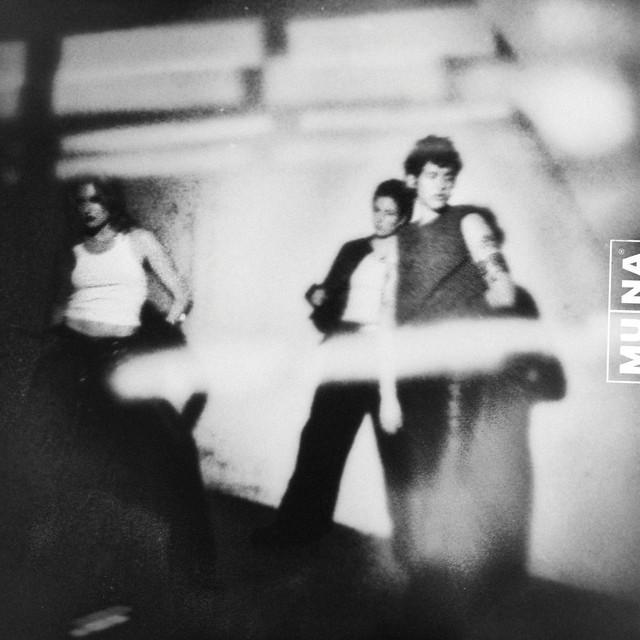
So What by MUNA
MUNA’s “So What” turns post-breakup confidence into something bright, catchy, and a little unstable. On the surface, the speaker seems to be winning: they are invited everywhere, admired in public, and praised by critics. But the song keeps returning to one question they cannot fully shut down: what if the one person they still care about does not love them anymore?
"So What" - MUNA
(If you don't, don't)
(If you don't love me)
Loading lyrics...
Unable to load lyrics
We're unable to display the lyrics at this time. Please try again later.
For anyone searching for the meaning of So What MUNA, the core idea is simple: the song is about using public validation to cover a private wound. It sounds triumphant, but that triumph is shaky by design.
The Real Message Hiding in the Hook
The chorus is built around a defensive shrug: so what if you don't
. In plain terms, the speaker is trying to act untouched by rejection. They insist they will not care if an ex no longer loves them, and they stack that claim against all the approval they now receive from other people.
Interpretation: the hook matters because it does not sound fully settled. Repeating the phrase over and over makes it feel less like peace and more like self-persuasion. The song’s emotional tension comes from that gap between what the speaker says and what they seem to feel.
Fame, Fashion, and the Breakup Glow-Up
The first verse lists a glamorous social world: parties, premieres, a black dress, a designer label, free drinks, and a room full of attention. These details are not random. They build a setting where the speaker can measure success in visible ways.
When they note that lots of people love me now
, they are not talking about deep intimacy. They are talking about applause, desire, and status. The song suggests that after heartbreak, one common response is to prove worth publicly. If one person withdraws love, the speaker will gather evidence that many others still want them.
That idea becomes sharper when the lyric says the best work came without you in it
. This is the song’s clearest revenge line. It reframes the breakup as a creative breakthrough, as if losing the relationship also cleared space for better art and stronger self-definition.
Who They Are Singing To
The song uses a first-person voice, but its emotional target is one absent person. Every boast feels directed back at that ex. Even when the speaker talks about critics, fans, and social events, the real audience is still the person who left.
That is why the repeated claim I won't even notice
lands with irony. If they truly would not notice, there would be no song built around proving it. The denial becomes the evidence.
A Quick Timeline of the Story
The song moves in a clear sequence:
- The speaker enters a world of public success and attention.
- They compare that success to the lost relationship.
- They point to outside approval, from attraction to critical praise.
- They circle back to the same unresolved wound in the chorus.
That structure helps explain the meaning of “So What” by MUNA. Every verse adds new proof that life is going well, yet the chorus keeps exposing the same ache underneath. The song does not move from pain to healing. It loops through pain dressed up as confidence.
Why the Chorus Feels Both Strong and Fragile
MUNA are especially good at writing hooks that can hold two emotions at once. Here, the phrase if you don't love me
is simple, but the repetition changes its force. At first it sounds dismissive. By the end, it sounds haunted.
So what?
If you don't, don't
If you don't love me
Those lines work because they are both mantra and breakdown. The speaker wants the words to free them, but each repetition also shows how stuck they still are.
How the Sound Supports the Meaning
Factually, the song was written by Katie Gavin, Naomi McPherson, and Josette Maskin, the three members of MUNA. That matters because the band often pairs sharp emotional writing with polished pop production. Their broader style, heard across releases documented on MUNA’s official site and coverage from Rolling Stone, often mixes vulnerability with big, clean hooks.
Interpretation: even without needing dense lyrical detail, the production likely carries the emotional contradiction. A glossy, forward-moving arrangement would fit the song’s public face, while the repetitive hook creates pressure underneath. That contrast mirrors the theme exactly: outward success, inward doubt.
The result is a pop song that feels fun on first listen but sharper on a closer read. They are not just celebrating survival. They are showing how survival can sound performative before it feels real.
Two Strong Readings of “So What”
Reading One: A breakup revenge anthem
This is the most direct reading. The speaker tells an ex that life improved after the split. They have more attention, better reviews, and a stronger sense of self. In this version, the song is about reclaiming power.
Reading Two: A portrait of fragile validation
This reading goes deeper. The song may be less about revenge than about dependence on external approval. The speaker keeps counting admirers because inner peace has not fully arrived. In that sense, the song critiques the idea that popularity can replace intimacy.
Both readings can be true at once, which is part of why the track works so well.
Why “So What” Connects
The song captures a familiar modern feeling: looking successful in public while still hurting in private. Many listeners know what it is like to post, perform, or socialize through sadness. MUNA turn that emotional split into a hook that is catchy enough to sing and honest enough to sting.
In the end, the meaning of So What MUNA is not that rejection no longer matters. It is that people often say it does not matter before they fully believe it. The song lives in that in-between space, where confidence is real, pain is real, and neither one fully cancels out the other.
Disclaimer: This interpretation is based on the lyrics provided, publicly available artist context, and musical analysis. Like many pop songs, “So What” can support more than one valid reading.








