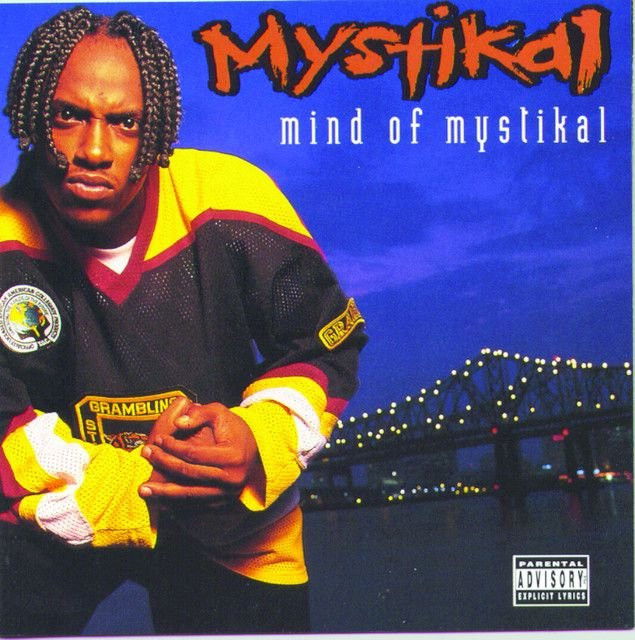
Murderer by Mystikal
A Revenge Rap That Sounds Like a Mind in Crisis
The meaning of Murderer Mystikal starts with one clear idea: this is a revenge song told from inside a furious mind. The narrator believes someone killed his brother or close friend, and the rest of the track follows the emotional fallout. Instead of calm reflection, the song gives listeners a running stream of threats, fear, and obsession.
"Murderer" - Mystikal
[Insane] Guns murder niggas at night....
[Mystikal] Man, niggas even kill niggas at night
Loading lyrics...
Unable to load lyrics
We're unable to display the lyrics at this time. Please try again later.
That makes the track more than a tough-guy performance. It sounds like a person whose grief has narrowed into one goal. From the opening, the hook frames murder as part of a wider nighttime reality, not a rare event. When the chorus repeats that violence happens at night, the song places private pain inside a brutal social environment.
Watch the official Murderer
music video
Where the Anger Comes From
Mystikal builds the story around loss. Early in the verse, the narrator calls the killer a motherfuckin murderer
and says the victim was his brother. Even if listeners take that relationship loosely, the emotional point is the same: someone close is gone, and the speaker wants payback.
From there, the lyrics move fast from memory to action. The narrator watches corners, imagines confrontations, and talks through weapons and timing. The repeated stress on seeing the enemy first and striking first shows that the song is about survival logic as much as revenge. In this world, hesitation looks like death.
The Hook Turns One Story Into a Street-Level Warning
The chorus matters because it expands the song's meaning. It is not only about one dead friend or one target. The hook says people are being killed by street rivals and by police, suggesting a wider world where Black life is under constant threat.
That shift is important for the meaning of Murderer Mystikal. The verses are personal, but the chorus makes the anger feel collective. The speaker is not just saying, "I want revenge." They are also saying that nighttime violence has become normal, and they refuse to let their own people be taken without response.
How the Verses Show Obsession
The song's structure mirrors fixation. The narrator does not process grief in stages. They replay the same vow again and again, each verse adding more detail to the hunt. In one part, they insist, I ain't caught that bitch yet
, then map out the week day by day, imagining a different attack plan each time.
That section is revealing because it shows revenge taking over every hour. Monday, Tuesday, Wednesday, and even Sunday become possible scenes of violence. Interpretation: this suggests the real subject is not only murder but psychological captivity. The killer may be the target, but the speaker is trapped too.
God gone have to forgive me
because they are still planning revenge.
This brief moment hints at moral awareness. The narrator knows the plan crosses a line, yet that knowledge does not stop them. It only deepens the sense of inner collapse.
Sound, Delivery, and Why the Song Feels So Harsh
Mystikal's performance is central to the song's power. Their style is famously explosive, with a barked, high-pressure delivery that can sound half-rapped and half-shouted. That approach fits this track perfectly because the lyrics are not reflective; they are eruptive.
Production-wise, the beat is spare and hard-edged, giving the voice room to dominate. The rhythm feels like a march or chase rather than a groove. Gunshot sound effects and the repeated naming of weapons are not subtle, but they serve a purpose: they turn the song into an audio portrait of panic and retaliation.
In simple terms, the music does not soften anything. It keeps listeners inside a state of emergency.
Artist Context Helps Explain the Extremes
Mystikal emerged from New Orleans rap and was closely tied to the Southern hip-hop rise of the 1990s, including work connected to No Limit Records, a label known for aggressive, street-centered albums and hard beats. That context matters because "Murderer" fits a style that often pushed emotion to the edge through confrontation and vivid first-person storytelling.
The credited writers are Leroy Edwards and Michael Tyler, with Tyler being Mystikal's real name. Factually, that supports reading the song as crafted rap narrative rather than casual speech. Like many gangsta rap tracks of its era, it uses exaggeration, threat, and cinematic detail to create intensity.
Still, context should not flatten the song. What stands out here is how little distance there is between feeling and action. The narrator hears talk, sees movement, and answers with plans to get the first shot
. That hair-trigger mindset is the song's emotional center.
What the Song May Be Saying Beneath the Threats
One obvious reading is literal: a man wants to kill the person who killed someone he loved. That is the surface story.
Interpretation: a deeper reading is that the song dramatizes the cycle of violence. The killer creates another would-be killer. Grief becomes rage, rage becomes mission, and mission becomes identity. By the end, the speaker sounds less like a person seeking justice than a person consumed by vengeance.
A second interpretation is that the song captures how fear and power work together. The narrator keeps insisting they are ready, armed, and fearless, but lines about watching, waiting, and sneaking suggest anxiety too. Boasts like you can't handle this
may be aimed as much at the self as at the enemy.
Why "Murderer" Still Hits So Hard
What makes the track memorable is not subtle poetry. It is the force of its perspective. The song throws listeners into a world where pain has no safe outlet, and where revenge seems like the only language left.
That is the lasting meaning of Murderer Mystikal: it is a brutal revenge narrative, but also a portrait of grief turning into obsession inside a violent environment. The hook broadens the story, the verses tighten the emotional noose, and the delivery makes every threat feel immediate.
Disclaimer: This interpretation is based on the lyrics, performance, and historical context of the recording. As with many rap songs, different listeners may hear different layers between character, storytelling, and artist persona.







