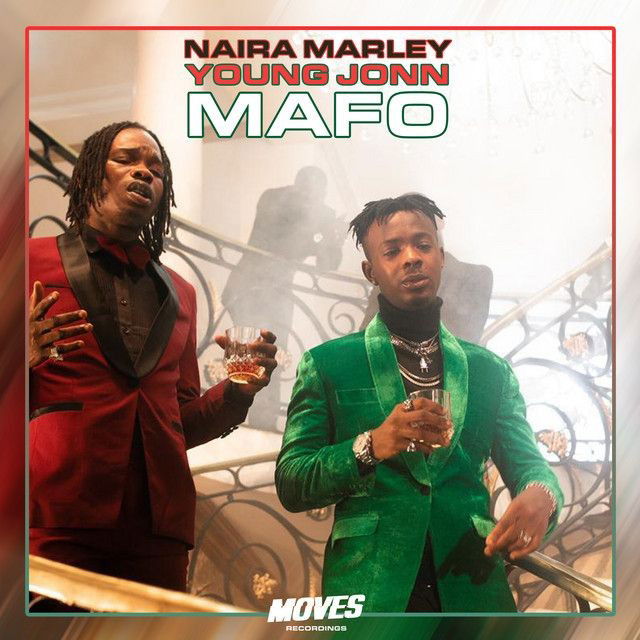
Why 'Mafo' Turns Fear Into Swagger
The meaning of Mafo Naira Marley, Young Jonn starts with a simple idea: life around them is risky, noisy, and unpredictable, so the only way to survive is to stay calm and act unshaken. Even before the hook settles in, the song builds a world of street tension, money talk, suspicion, and escape routes. Yet its main message is not pure panic. It is the opposite.
"Mafo" - Naira Marley, Young Jonn
Tiya ona nu ta ke jija
Eko dun ma bo'le eko dun ma bo'le
Loading lyrics...
Unable to load lyrics
We're unable to display the lyrics at this time. Please try again later.
At the center of the track is a command: do not lose control. That is why the repeated word mafo
matters so much. In context, it sounds like a warning, a pep talk, and a code of conduct all at once.
The Song’s Real Message Hides in Plain Sight
On the surface, “Mafo” sounds like a club record. Young Jonn, a major Nigerian producer and artist known for Afropop hits, gives it a bright, rolling beat, while Naira Marley brings his sly, talk-singing charisma. Their collaboration fits both artists’ styles, especially given Young Jonn’s long production history in Nigerian pop and street-hop see credits via AllMusic and Naira Marley’s strong public identity in street-pop culture artist overview via Apple Music.
But beneath that bounce, the song keeps returning to danger. The speaker describes Lagos as exciting but unstable. They mention money, friends, outside pressure, and the feeling that authorities or enemies could arrive at any moment. When the lyrics say Eko dun ma bole
, they present Lagos as sweet and attractive, but not simple. The city gives pleasure and opportunity, yet it also creates fear.
Interpretation: The song is about emotional self-defense. They are not claiming life is safe. They are saying fear cannot be allowed to win.

Watch the official Mafo
music video
Lagos, Hustle, and Constant Surveillance
A big part of the meaning of Mafo Naira Marley, Young Jonn is place. “Eko,” another name for Lagos, is not just a location here. It acts like a pressure chamber. The verses describe a city where people chase cash, watch one another, and live close to legal or social danger.
The line Owo wa l’eko
points to money as a central force. Everything seems to move around wealth, access, and reputation. There are references to dollars, wire transfers, and being accused or watched. Those details place the song in a real street economy where image can turn into suspicion fast.
Then the record shifts from bragging to caution. Phrases like awa o le salo
suggest that running is not really an option. If pressure comes, they will face it. That is why the hook does not sound like empty bravado. It sounds learned. They have seen enough to know panic makes things worse.
A Chorus That Works Like a Street Prayer
The chorus is the emotional engine of the song. Repeating Gbess mafo
over and over turns the track into a chant. It is catchy, but it also feels functional, as if the speaker is trying to steady themselves and everyone around them.
Ko si eyan be jowo mafo
Stay happy and shey jeje mafo
Those lines, taken briefly, show two sides of the same message. One side says there may be no one coming to save them, so they must hold themselves together. The other says to move gently, stay happy if possible, and avoid unnecessary chaos. In plain terms, the chorus teaches composure.
Interpretation: “Mafo” is not denial. It is fear management.
The Verses Mix Boasting With Real Anxiety
Naira Marley often writes in a voice that blurs humor, threat, and self-mythology. That happens here too. The speaker talks tough, name-drops people, and pushes back against suspicion. One striking line is Am I a Yahoo Boy
, followed by a denial of proof. That does not work like a confession. It works like a challenge to rumor and profiling.
This matters because the song keeps circling a bigger question: what happens when a person is judged by the lifestyle around them? They may be hustling, performing confidence, or simply surviving, but outsiders may decide guilt first. The lyric world of “Mafo” is full of people who feel seen, tracked, and misread.
How Young Jonn’s Production Deepens the Meaning
Young Jonn’s beat is one reason the song lasts in memory. The drums bounce with the looseness of a party track, but the repetition creates a hypnotic effect. That looped energy mirrors the song’s message: pressure does not disappear, it cycles.
The production also leaves enough room for vocal personality. Naira Marley slides between chant, tease, and threat, while Young Jonn helps keep the song accessible rather than heavy. That balance is key. If the beat were darker, the song might feel purely paranoid. Because it is lively, the record becomes something more interesting: a dance song about keeping your nerve.
Two Strong Ways to Read “Mafo”
There are at least two solid readings of the track:
- Street survival anthem: They are telling friends not to panic when danger or authority appears.
- Mindset record: They are using the street scene as a metaphor for everyday pressure, urging listeners to stay steady.
Both readings fit the lyrics. The first is grounded in references to money, pursuit, and suspicion. The second makes sense because the hook is so universal. Almost anyone can hear mafo
as advice for hard times.
Why the Song Still Connects
What makes “Mafo” work is its mix of realism and performance. It admits that life can turn fast, especially in a city built on hustle. But it refuses to collapse into fear. That tension gives the track its bite.
In the end, the meaning of Mafo Naira Marley, Young Jonn is about holding posture when the world feels unstable. They turn anxiety into rhythm, then turn rhythm into confidence.
Disclaimer: This article offers informed interpretation based on the song’s lyrics, performance, and context. Meanings can vary by listener and cultural experience.







