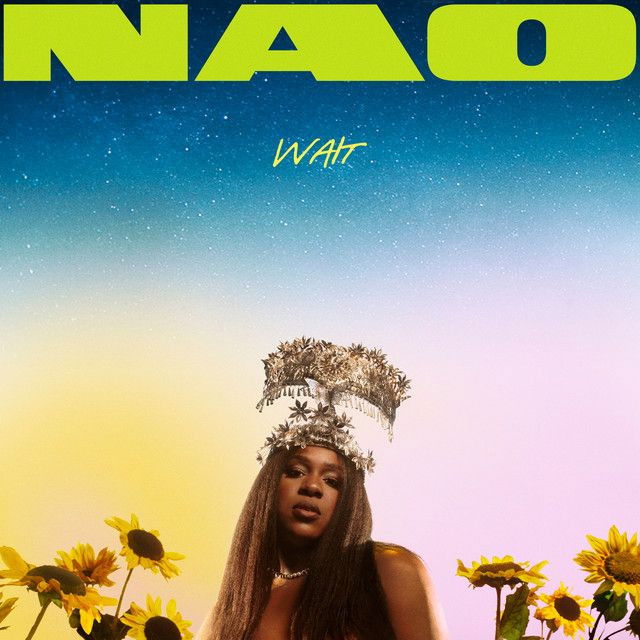
Wait by Nao: Love That Pauses, Not Quits
The meaning of Wait Nao comes down to one hard idea: love does not survive by pretending everything is fine. It survives when two people stop running, tell the truth, and accept that being imperfect is part of being close.
"Wait" - Nao
Maybe it's just that we need to be honest
'Cause we've been up face to face
Loading lyrics...
Unable to load lyrics
We're unable to display the lyrics at this time. Please try again later.
In this song, Nao frames a relationship at a tense moment. The couple is hurt, guarded, and tired. Still, they are not fully done. The lyrics keep returning to the thought that if they can slow down and stay honest, they may still find their way back to each other.
The Heart of the Song: Staying Through the Mess
At its core, "Wait" is about emotional hesitation turning into emotional courage. The speakers sound stuck between distance and repair. Early lines ask whether the problem is timing, space, or simply a lack of honesty. That matters because the song does not blame one person. It treats conflict as something shared.
A short phrase like we need to be honest
gives the song its center. The relationship is not failing because love is absent. It is failing because truth has been delayed.
Interpretation: The title "Wait" sounds like a plea not to walk away too fast. It suggests that endings can happen because people panic before they fully speak.
Watch the official Wait
music video
Two People, One Fear
The song uses a collective voice, which makes the tension feel mutual. Phrases like we ain't perfect
and we're worth it all
show that both people are flawed, but both still matter.
That balance is important. Many breakup songs pick a villain. This one does not. Instead, it describes a shared emotional stalemate: they can sense each other, but they are not saying enough out loud.
When the lyric says Talk to me
, the request is simple but urgent. They do not want mind-reading or polite silence. They want painful truth before silence turns permanent.
How the Story Moves From Doubt to Choice
The song has a clear emotional timeline:
- First, the couple faces the fact that something is wrong.
- Then they admit they have been avoiding the full truth.
- The chorus reframes mistakes as part of learning, not proof that love is doomed.
- By the end, hesitation becomes a decision to stay and try again.
That last shift gives the song its force. A key phrase, through mistakes
, recasts failure as part of growth. The song argues that running is human, but endurance may be wiser.
Why the Chorus Hits So Hard
The chorus is the emotional engine of "Wait." It does three things at once: it admits imperfection, forgives that imperfection, and asks for patience.
The line about making it home is especially important. Home here does not sound literal. It sounds like emotional safety, trust, and the version of the relationship where both people can breathe again.
The only way to learn is through mistakes
Trying to run away is only human
Those lines capture the song’s moral view. Love is not clean, and fear is normal. What matters is whether the pair uses that fear as a reason to leave or as a reason to grow up emotionally.
Symbols That Keep the Meaning Grounded
The writing uses simple language, but a few images carry a lot of weight.
Space, Time, and Distance
The opening questions about time and space point to emotional separation. The issue may not be logistics at all. It may be the growing room between what each person feels and what they are willing to say.
Home as Repair
The repeated idea of getting "home" feels like the song’s clearest symbol. It suggests return, belonging, and stability after disorder. In the context of the meaning of Wait Nao, home is where conflict no longer feels like exile.
Breaking as Feeling
Late in the song, pain is not treated as a sign that love is false. Instead, pain becomes evidence that the connection matters. That is a mature message: feeling deeply may hurt, but numbness is worse.
How the Sound Supports the Lyrics
Without overcomplicating it, "Wait" fits Nao’s broader style: emotionally direct songwriting delivered with warmth and control. Nao is widely recognized for blending R&B, soul, and electronic textures in a very intimate vocal style, as noted in artist profiles and music coverage such as Britannica and AllMusic.
That context helps the song’s meaning. A soft but steady arrangement would make sense for these lyrics because the emotional conflict is serious, but not explosive. The track likely works through tension by using space, layered harmonies, and a patient build rather than a dramatic collapse.
Interpretation: If the production feels restrained, that restraint mirrors the song’s message. They are trying not to react too fast. The music, like the lyric, chooses pause over panic.
A Second Reading: More Than Romance?
The most obvious reading is romantic, and the lyrics strongly support that. But there is another possible angle.
Interpretation: "Wait" can also be heard as a song about emotional maturity itself. The real battle may be between instinct and reflection. In that reading, staying does not only mean staying with another person. It means staying present long enough to face one’s own fear, pride, or avoidance.
That wider reading makes the song relatable even for listeners who are not in a relationship. Anyone who has wanted to flee a hard conversation can recognize the emotion here.
Why "Wait" Still Connects
The reason the meaning of Wait Nao lands so well is that it avoids fantasy. The song does not promise that love wins automatically. It says love has a chance only when people stop hiding behind distance, perfectionism, or self-protection.
That is why the refrain feels tender instead of naive. It asks for patience, but not passivity. It asks for honesty, courage, and a choice to remain when leaving would be easier.
In the end, "Wait" is about two people standing at the edge of disconnection and deciding that imperfection is not the end of the story.
Disclaimer: This interpretation is based on the lyrics provided and publicly known artist context. As with any song, listeners may hear meanings that differ from this reading.








