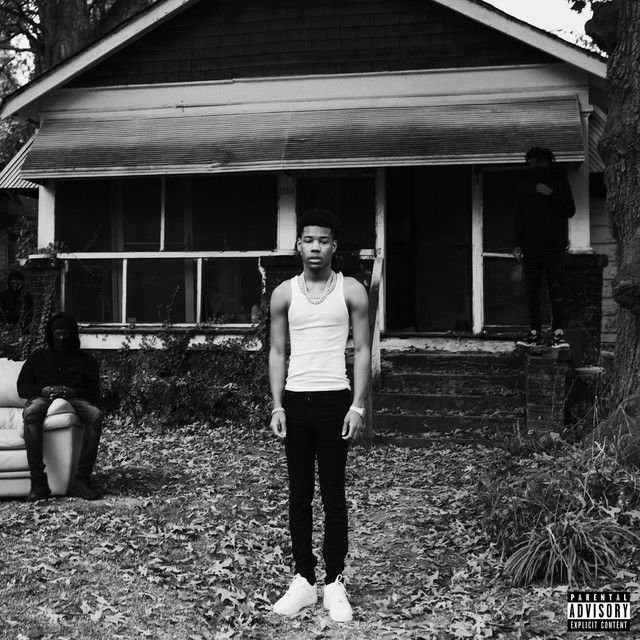
Wicked Freestyle by Nardo Wick
In the meaning of Wicked Freestyle Nardo Wick, the key idea is not subtle: they turn judgment, fear, and swagger into a public identity.
"Wicked Freestyle" - Nardo Wick
Provided by LyricFindThey hate how we walk, how we talk, how we move
Said we're lost and frustrated
But believe it or not, we're the next up on topLoading...Loading lyrics...
Unable to load lyrics
We're unable to display the lyrics at this time. Please try again later.
A Threat, a Flex, and a Mission Statement
Nardo Wick’s “Wicked Freestyle” is built like a character sketch. They do not tell one clean story from beginning to end. Instead, they stack threats, flexes, jokes, and status symbols until a full persona appears: cold, rich, armed, and unbothered.
At the center of the song is a simple tension. Other people think this kind of figure is dangerous, reckless, or “lost.” The hook answers that criticism with a claim to power. When the song repeats ideas like lost and frustrated
and the next up on top
, it flips outside judgment into prophecy.
Interpretation: that contrast is what gives the song its edge. The verses sound brutal and proud, but the hook suggests they also see themself as part of a younger group pushing upward, even when the world expects failure.
Watch the official Wicked Freestyle
music video
Why the Hook Matters So Much
One of the most important parts of the track is the repeated chorus from P.O.D.’s “Youth of the Nation,” whose writers include members of that band and other credited songwriters. That explains why the writing credits extend beyond Nardo Wick’s camp. The listed writers provided by the user include Eelis Samuel Oikarinen, Horace Walls, Kevin Gomringer, Leon Thomas, Luis Baque, Matthew Jehu Samuels, and Tim Gomringer.
The hook says people hate how we walk
and how they move through the world. In plain language, it describes a generation that gets judged by appearance, behavior, and attitude. Then it answers with confidence: they are still rising.
That matters because the verses alone could sound like pure intimidation. The hook reframes them. It turns the song into a statement about identity under pressure, not just random violence and bragging.
The Voice They Build in the Verses
Control Through Fear
Most of the verses are about dominance. Nardo Wick presents a speaker who wants distance, respect, and obedience. Lines about enemies, retaliation, and weapons all serve one purpose: they make the speaker feel untouchable.
When they say leave me alone
and later return to the word wicked
, the message is clear. They are not asking for approval. They are daring people to test them.
Interpretation: this is less a confession than a performance of power. In rap, that kind of performance can be part autobiography, part exaggeration, and part competitive theater.
Money and Style as Armor
The song also spends a lot of time on luxury. Designer brands, expensive jewelry, and a fast car are not just background details. They work like proof of arrival.
A phrase like all this ice on me
turns jewelry into visual impact. Even the joke that it looks like they got beat up turns pain into style. That is a clever move: weakness gets rewritten as shine.
This is common in trap music. Wealth is not only pleasure; it is evidence that they made it through danger and now wear success in public.
How the Beat Supports the Meaning
“Wicked Freestyle” works because the production leaves space. The beat is minimal, dark, and bass-heavy, with enough pause and repetition to make each line hit like a threat. The brief stop before the repeated I’m wicked
section acts like a spotlight.
That moment matters. The beat drop-out creates drama, then the repetition becomes almost chant-like. It sounds less like storytelling and more like branding. They are drilling one word into the listener’s head until it becomes the song’s whole identity.
Nardo Wick’s delivery helps too. Their voice is low, blunt, and often calm. That calmness makes the most violent lines sound even colder. Instead of shouting, they often sound controlled, and that control is part of the intimidation.
The Song’s Main Themes, Clearly Put
The meaning of Wicked Freestyle Nardo Wick comes through best in a few connected themes:
- Defiance: outsiders judge them, but they reject that judgment.
- Power: threats and boasts create a sense of control.
- Survival: money and status suggest they escaped a harsher reality.
- Image-making: “wicked” becomes a brand as much as a mood.
- Youth identity: the hook hints at a wider generation being misunderstood.
These themes are why the song feels bigger than a loose freestyle. It is building a myth around the artist.
A Useful Way to Read the Contradictions
There is a real contradiction in the track. The chorus points to a generation rising together, while the verses often focus on individual force, material success, and violent reputation. That clash is not a flaw. It is what makes the song interesting.
Interpretation: one reading is that Nardo Wick is showing what “youth of the nation” looks like from his side of rap reality—young, watched, blamed, and determined to win anyway. Another reading is that the hook adds irony, because the speaker sounds less hopeful than hardened.
Both readings fit the song.
Final Take on “Wicked Freestyle”
In the end, “Wicked Freestyle” is about turning fear into status. Nardo Wick uses menace, luxury, and repetition to present a figure who expects criticism and then feeds on it. The hook gives that posture a bigger social frame, suggesting that being called dangerous or misguided can become part of a young artist’s rise.
That is the real meaning of Wicked Freestyle Nardo Wick: a self-created image of power, built from pressure, performance, and pride.
Disclaimer: Song meaning is partly interpretive. This article separates clear lyrical patterns from informed interpretation, and listeners may hear different shades of meaning.








