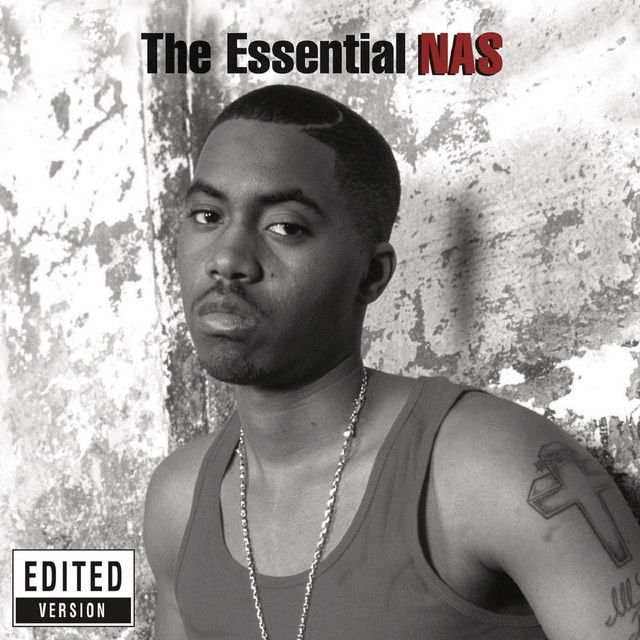
I Gave You Power by Nas
A Rap Classic With a Shocking Voice
The meaning of I Gave You Power Nas starts with one bold idea: the song is told from the point of view of a gun. That alone made it stand out when it appeared on It Was Written in 1996. According to widely cited release details, the track was written by Nasir Jones and Christopher Martin, better known as DJ Premier, and produced by Premier for Nas’ second album.
"I Gave You Power" - Nas
Look how muh-fuckers use a nigga
Just use me for whatever the fuck they want
Loading lyrics...
Unable to load lyrics
We're unable to display the lyrics at this time. Please try again later.
This is not a gimmick song. Nas uses the gun’s voice to show how violence spreads through neighborhoods, how people give weapons status, and how that same power destroys lives. Instead of making the gun sound cool, they make it sound trapped, used, and disgusted by what people do with it.
Watch the official I Gave You Power
music video
The Core Idea Beneath the Story
At the center, the song argues that a weapon only has power because people hand that power over. The title itself is the key. When the hook says I gave you power
, the idea is not that the gun is truly in control by itself. It means people treat it as a shortcut to fear, respect, and revenge.
That is why the narrator sounds bitter from the opening lines. The gun complains that people grab it, hide it, sell it, and throw it away. In plain terms, Nas turns an object into a witness. Through that witness, they show how normal violence can become in a world shaped by survival, ego, and retaliation.
Interpretation: The song is also about false power. A gun may change a moment, but it cannot heal fear, poverty, or grief. It only widens the damage.
How the Verses Build the Message
The gun is given a biography
Nas makes the weapon sound almost human. It describes travel, wear, neglect, and constant use. Short phrases like my body is cold steel
and made to kill
turn the gun into a speaking character, but they also underline its limited nature. It is built for one purpose, and that purpose poisons everyone around it.
The details matter. The weapon is hidden under seats, carried into clubs, and loaded for the next conflict. Those scenes connect street realism with metaphor. The gun is both an object and a record of repeated social harm.
The chorus widens the lens
The hook is catchy, but it is grim. When Nas uses making every ghetto foul
, they are not insulting communities. They are showing how gun violence contaminates daily life, turning public spaces into places of fear.
How you like me now?
I gave you power
This short refrain sounds almost boastful, yet the song around it makes that boast hollow. The hook mirrors the seductive idea of power while exposing its cost.
The Ending Changes Everything
One of the smartest parts of the song comes near the end. The gun decides to jam rather than fire during a confrontation. This gives the narrator a kind of conscience. It is a striking twist because the weapon, which has been used over and over, finally resists.
Then the scene turns again: another gun appears, and the owner is shot anyway. That ending is bleak on purpose. One weapon refusing violence does not stop a violent system. The problem is bigger than a single trigger pull.
Interpretation: This ending suggests that personal regret alone cannot fix structural cycles of violence. The song refuses an easy moral victory.
Why the Sound Feels So Haunted
The production is a huge part of the song’s meaning. DJ Premier gives Nas a moody, jazz-leaning beat with falling piano notes and hard but restrained drums. Critics have described it as a spooky jazz-fusion groove, and that description fits. The beat does not sound triumphant. It sounds uneasy.
That matters because a more aggressive instrumental could have turned the song into pure action. Instead, the music feels reflective, almost ghostly. The drums keep the streets in view, while the piano adds dread and sadness. The result is a track that feels like memory, confession, and warning at the same time.
There is also a famous studio detail behind the opening. Nas kept in an early stumble where the perspective is clarified, because they wanted listeners to understand the narrator was a gun. That choice helps the record feel raw and immediate rather than overly polished.
Nas in Context: Why This Song Mattered
By 1996, Nas had already earned major respect from Illmatic. On It Was Written, they expanded their storytelling. “I Gave You Power” became one of the clearest examples of that ambition and is still widely regarded as a classic.
Its influence lasted far beyond the album. The song opened the door for more Nas tracks that personified objects or ideas, and it has often been cited as an inspiration for later rap songs built around unusual narrative voices. That legacy matters because it shows how technical skill and social commentary can work together in hip-hop.
Final Reading: What the Song Is Really Saying
So, what is the meaning of I Gave You Power Nas in the simplest terms? It is a story about how people create the power they fear. By letting a gun speak, Nas exposes the emptiness behind violent swagger and shows the human damage left behind.
The song is not asking listeners to admire the weapon. It is asking them to hear the ruin attached to it. The narrator sees death, panic, revenge, and trauma, then ends in the hands of someone else. That final moment says the cycle keeps going unless people break it.
Disclaimer: This interpretation is based on the lyrics, production, and publicly discussed context. As with any great song, listeners may hear additional meanings.







