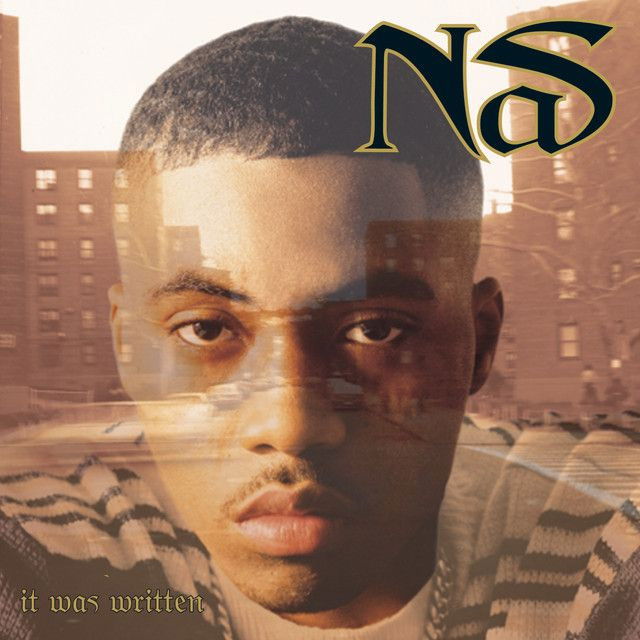
Street Dreams by Nas
Why This Song Still Pulls People In
The meaning of Street Dreams Nas starts with a contradiction: the song sounds sleek and catchy, but its world is unstable and dangerous. Released in 1996 as the second single from It Was Written, the track helped push Nas further into the mainstream while keeping one foot in grim street realism. It became his first Top 40 hit on the Billboard Hot 100 and was certified Gold in the U.S., showing how strongly its mix of polish and menace connected with listeners.
"Street Dreams" - Nas
Street dreams are made of these
Niggas push Bimmers and 300 E's
Loading lyrics...
Unable to load lyrics
We're unable to display the lyrics at this time. Please try again later.
At the center of the song is a hard truth. People dream about money, status, and escape, but those dreams often come tied to crime, fear, and loss. Nas does not present street success as simple victory. They present it as a fantasy that can feel glamorous from a distance and destructive up close.

Watch the official Street Dreams
music video
The Core Meaning Behind the Hook
The chorus frames the whole song. When Nas repeats Street dreams are made of these
, they are borrowing the shape of a famous pop refrain and twisting it into a rap-life reality. The point is not just that everyone wants something. It is that, in this environment, desire gets trained toward fast money, luxury cars, and power.
The next ideas in the hook make that clearer. Short phrases like push Bimmers
and big cheese
reduce success to visible symbols: cars, cash, sexual status, and reputation. On the surface, that sounds boastful. But the repetition makes it feel mechanical, almost like people are trapped inside a script.
Interpretation: the hook works like both an anthem and a warning. It sounds seductive because those dreams are seductive. Yet its circular phrasing suggests that everybody keeps chasing the same thing, whether or not it leads anywhere good.
Verse by Verse, Nas Maps the Trap
In the first verse, Nas tells a hustler story built on planning, paranoia, and ambition. They describe drug runs, fake calm, and constant pressure from law enforcement. Even when the narrator talks about building wealth, the dream is unstable. He wants to get rich enough to move into clubs and real estate, but the path there is illegal and risky.
That tension matters. The speaker is not only greedy; they are also trying to outrun poverty and vulnerability. The dream is about survival, not just excess.
In the second verse, the song widens into a larger criminal world. Hotel rooms, weapons, women, and imported coke all create a glossy mafioso-rap picture. This fits the image Nas explored on It Was Written, an album often linked with the cinematic crime style that shaped mid-1990s rap. But the details are too jagged to feel fully triumphant. The life is always one step from betrayal or collapse.
The third verse may be the key to the whole track. Nas looks back at growing up in Queensbridge, seeing neighborhood figures with cars and jewelry and mistaking that image for success. A phrase like project-struck
captures how deeply environment shapes ambition. Young people learn what to value from what they see around them.
Jordan's and a gold chain
looked like living well.
That brief idea shows how the song works. What counts as a dream has already been narrowed by poverty, local mythology, and the visibility of drug money.
The Ending Changes the Song
One of the smartest parts of “Street Dreams” comes at the end. After all the luxurious imagery, the track closes with chaotic dialogue after a shooting. That ending strips away the fantasy. The mood turns from cool control to panic.
This is crucial to the meaning of Street Dreams Nas. The song does not just describe attraction to the street dream; it stages the crash that follows it. The listener is left not with wealth, but with fear, running, and the need to get rid of evidence. In story terms, the ending exposes the hidden cost of everything that came before.
How the Production Deepens the Message
The production helps sell that double meaning. The song famously interpolates the Eurythmics line behind “Sweet Dreams,” turning a familiar pop concept into a street manifesto. It also uses a smooth, hypnotic groove that makes the track feel luxurious on first listen.
That smoothness is the point. The beat glides while the verses describe risk, criminal schemes, and dead ends. This gap between sound and subject creates tension. The music invites the listener in; the words show why that invitation is dangerous.
Nas’s delivery matters too. They rap with calm precision rather than panic, which makes the narrator sound experienced and emotionally trained. That cool tone mirrors the way people normalize harsh conditions. If the voice sounded shocked, the song would feel less truthful.
Artist Context and the Video Matter Too
In 1996, Nas was moving from the raw street detail of Illmatic into a more polished, cinematic style on It Was Written. “Street Dreams” sits right in that shift. It is accessible enough to be a hit, but still filled with neighborhood memory and criminal psychology.
The Hype Williams video deepened that idea by paying homage to Casino. That visual choice matters because it turns local hustling into organized-crime spectacle. The song becomes bigger than one corner or one block. It suggests that the hunger for wealth, image, and control is part of a larger American story.
Final Take on the Meaning
So what is the song really saying? The meaning of Street Dreams Nas is about desire shaped by scarcity. It is about how poverty, status hunger, and street mythology can make dangerous choices look like the only visible road to success.
Interpretation: Nas is not simply celebrating that life, even when the song sounds seductive. They are showing how the dream works, why people chase it, and how quickly it can turn violent.
That is why the song lasts. It understands both the fantasy and the bill that comes due.
Disclaimer: This interpretation is based on the lyrics, recording context, and public release history. As with most songs, listeners may reasonably hear different meanings in some lines.








