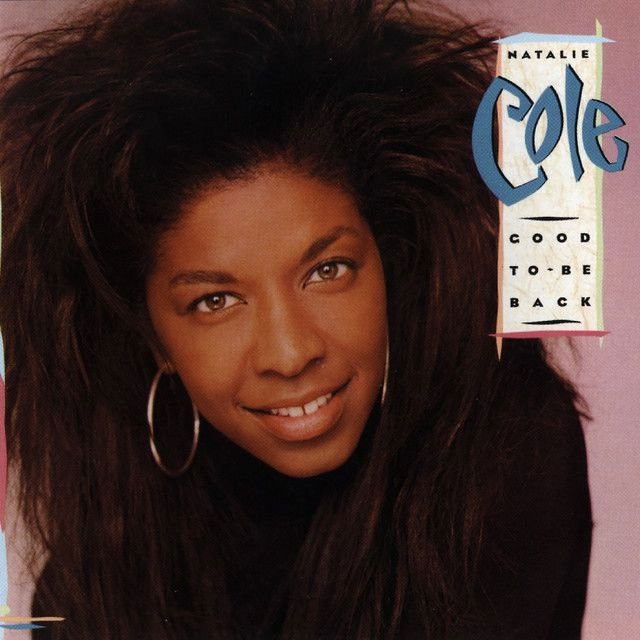
Why 'Miss You Like Crazy' Still Hurts
The meaning of Miss You Like Crazy Natalie Cole comes down to one emotional idea: love that refuses to fade. The song is not just about sadness after a breakup. It is about a person who still feels deeply connected to someone from the past and believes that connection may still have a future.
"Miss You Like Crazy" - Natalie Cole
I remember the things that we used to do
A kiss in the rain 'til the sun shined through
Loading lyrics...
Unable to load lyrics
We're unable to display the lyrics at this time. Please try again later.
Released in 1989 as the lead single from Good to Be Back, the song became one of Natalie Cole’s biggest late-career hits, reaching No. 7 on the Billboard Hot 100 and No. 1 on both the Adult Contemporary and Hot Black Singles charts, according to Wikipedia. That crossover success fits the song itself: it is intimate enough for an R&B ballad and broad enough for mainstream pop.
More Than Missing: The Heart of the Song
At first glance, this sounds like a straightforward love song about separation. The title hook, miss you like crazy
, says that clearly. But the deeper point is that the speaker is not only grieving a lost relationship. They are also resisting the idea that it is really over.
That matters because the verses do more than look backward. They remember shared intimacy, admit failed attempts to move on, and then shift into hope. The emotional movement is key: this is a song about missing someone so strongly that memory starts to feel like evidence. If the love still feels alive, the speaker reasons, maybe it still is.
Interpretation: The song treats longing as proof of emotional truth. In other words, missing someone is not just pain here; it becomes a reason to believe in reunion.

Watch the official Miss You Like Crazy
music video
How the Lyrics Move From Memory to Hope
One reason the song connects so strongly is its clear timeline. It unfolds in stages:
- They remember the relationship in vivid flashes.
- They admit the breakup has not healed.
- They imagine seeing love return.
- They ask for a second chance.
Small details make those stages feel human. A phrase like a kiss in the rain
turns the past into a movie-like memory. It is romantic, but also specific, which makes the loss feel real.
Then the song becomes more revealing with still in love with you
. That line matters because it drops any pretense. The speaker is not casually nostalgic. They are emotionally stuck, and they know it.
Later, the mood changes. The lyrics suggest that waiting may have been worth it and that the couple might begin again. When the song says it’s not too late
, it introduces the central gamble: love may survive distance, time, and pride.
The Chorus Turns Private Pain Into a Universal Feeling
The chorus is one of the reasons the song became such a big hit. Its language is plain, direct, and easy to feel. A phrase like every hour of every day
stretches heartbreak across time, making the loss sound constant rather than occasional.
That repetition is powerful. Instead of adding new details each time, the chorus circles the same feeling. This mirrors how real longing works. People often do not think in polished speeches when they miss someone. They return to the same thought again and again.
No matter what I say or do
there’s just no getting over you
Those lines capture the song’s emotional trap. The speaker has tried action, denial, and distance, but nothing changes the core feeling.
Natalie Cole’s Delivery Sells the Meaning
The song’s meaning would not land as strongly without Natalie Cole’s voice. She sings it with restraint at first, then opens up into a fuller, soaring performance. That arc mirrors the lyrics: private memory grows into open confession.
Critics noticed that balance when the song came out. Music Week called it a “strong, sweeping ballad” with “dramatic and highly polished production,” as quoted by Wikipedia. That is a useful description because the production does not fight the emotion; it enlarges it.
Producer Michael Masser, who also co-wrote the song with Gerry Goffin and Preston Glass, builds the track like a classic late-1980s power ballad. The arrangement is smooth and elegant, with swelling chords, soft rhythmic support, and a rising sense of lift. It sounds expensive, but not cold.
Why the Production Matters
The instrumentation helps explain why the song feels both hurt and hopeful. Slow tempo gives the words room to breathe. The polished surfaces make the longing sound mature rather than chaotic. And the gradual build underlines the lyric’s move from sorrow to belief.
Interpretation: The music suggests that this is not teenage heartbreak. It is adult love, remembered with clarity and defended with confidence.
That may also explain why the song crossed between R&B, adult contemporary, and pop audiences. It speaks in simple emotional terms, but it carries itself with grown-up poise.
A Second-Chance Love Song, Not Just a Sad One
Another useful way to understand the meaning of Miss You Like Crazy Natalie Cole is to see it as a second-chance anthem. Yes, the song aches. But it also argues for endurance. When it hints that we’re starting forever now
, the speaker is not trapped only in the past. They are trying to turn memory into a future.
That hopeful turn keeps the song from becoming purely mournful. It says that real love can survive separation, if both people are willing to return to it.
Why It Still Connects
People still respond to this song because it captures a common emotional contradiction: someone can know a relationship ended and still feel that it is unfinished. The lyrics sit right in that tension.
Natalie Cole’s performance makes that tension believable. She does not sound naive. She sounds certain that some loves keep their shape, even after absence.
That is why the song lasts. It understands that missing someone can be painful, romantic, and strangely hopeful all at once.
Disclaimer: This article offers interpretation alongside verified release and chart facts. Song meaning can vary from listener to listener.









