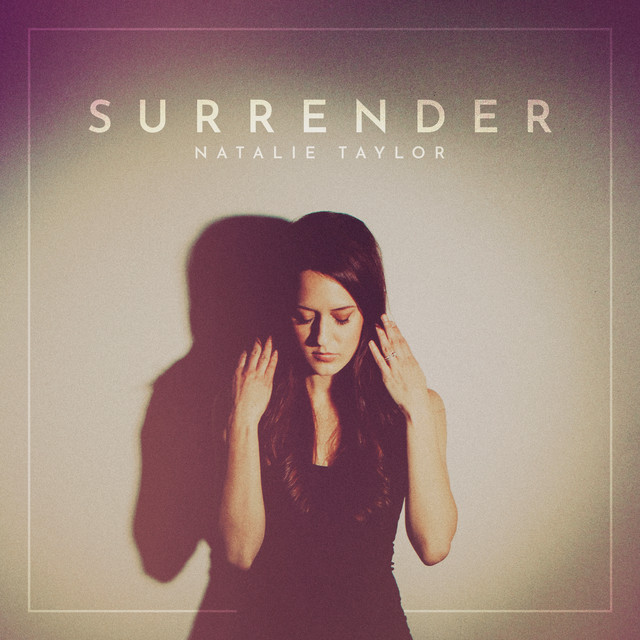
Surrender by Natalie Taylor
They don’t win by holding out. That is the quiet revelation at the center of Natalie Taylor’s Surrender. The song turns conflict into a request for peace and a promise to show up. This guide unpacks the meaning of Surrender Natalie Taylor through its imagery, voice, and sound.
"Surrender" - Natalie Taylor
We drifted to survive
I needed you to stay
Loading lyrics...
Unable to load lyrics
We're unable to display the lyrics at this time. Please try again later.
A White Flag in a Love Standoff
At its heart, Surrender is about choosing reconciliation over pride. The narrator recognizes that both sides have been hurt and that continuing to fight will only cause more loss. By asking for a truce and leaning in instead of pulling away, they put connection first.
Interpretation: The title isn’t about defeat. It is about surrendering ego—letting go of being “right”—so love can return. The song’s key question is whether both people can stop pushing and meet in the middle.

Watch the official Surrender
music video
Who’s Talking, and What They Admit
The voice is first person and direct. When they ask, My love, where are you?
, they aren’t just searching for location; they’re asking if the bond is still reachable. It’s vulnerable, almost like a voicemail sent in the middle of the night.
They also take responsibility. The hints of regret suggest they know they let distance grow. In this light, the song becomes an apology by action: the speaker offers openness before demanding it of the other person.
A Simple Story in Rising Water
The narrative moves in a few clear beats:
- Emotional flood imagery sets the stage. A line like
We drifted to survive
frames the relationship as two people barely hanging on, not steering. - Separation follows. The tone shifts from endurance to loss, and the search begins.
- The plea: the chorus asks for a ceasefire and promises patience with
whenever you're ready
. This centers consent and timing. - The commitment: the speaker signals total openness—no more defenses—by
flying my white flag
.
These beats turn a private fight into a universal scene: the moment someone stops defending themselves and starts defending the relationship.
What the Chorus Really Asks
The hook is both offer and invitation. Repeating whenever you're ready
shows that they won’t push before the other person is prepared. The follow-up question—can we surrender?—seeks a shared decision rather than a one-sided fix. Interpretation: The chorus reframes surrender as mutual safety, not weakness.
Symbols That Do the Heavy Lifting
Water and drifting signal overwhelm and loss of control. Rather than steering, they’re at the mercy of emotion, which explains the urgency. The white flag image is plain but powerful: it marks the choice to stop the cycle and be seen without armor.
The song even states the cost of staying in conflict:
No one will win this time
I just want you back
This admission is the hinge. It says the point isn’t victory; it’s reunion. That shift in values is the emotional climax.
How the Sound Carries the Message
Surrender’s arrangement builds like a tide. Soft piano and airy pads set an intimate space. Sparse percussion enters slowly, then the chorus opens into wider reverb and layered vocals. The dynamic lift feels like a breath after holding one’s lungs too long. It’s cinematic but restrained, matching the humility of the words.
Taylor’s vocal delivery stays close and earnest. Slight grain on sustained notes adds ache without drama. The repetition works as affirmation; every return to the chorus strengthens the promise to lay down arms.
Alternate Readings That Still Fit
- Interpretation: An internal truce. The “you” could be the part of oneself they abandoned—anxiety, grief, or a younger self. Surrender then means accepting feelings instead of resisting them.
- Interpretation: A broader call for peace. The white flag could describe family conflict or even social division. The core idea—no more scorekeeping—still applies.
These readings fit because the language is open and the stakes are emotional, not situational.
Why It Resonates Now
Simplicity makes it sticky. Short, clear lines allow listeners to project their own stories. The steady build and the gentle hook make the song ready for intimate scenes and reflective moments, which is why it often resurfaces in TV, ads, and social media edits.
It also helps that the track feels handmade. Surrender was written by Natalie Howard (Natalie Taylor) and Jonathan R. Howard, longtime collaborators. That closeness shows in the tight focus on one feeling, carried all the way through.
Takeaway You Can Feel
The meaning of Surrender Natalie Taylor is not about losing; it’s about choosing to stop the fight so love has space to return. By admitting limits, asking with patience, and signaling safety, the song turns surrender into strength.
Disclaimer: Song meanings are subjective; this analysis reflects one informed interpretation based on lyrics, performance, and production choices.








