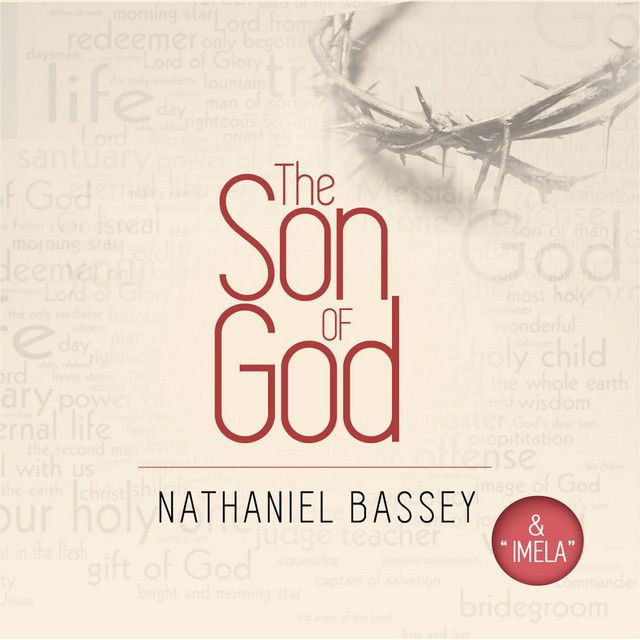
Imela by Nathaniel Bassey, Enitan Adaba
The meaning of Imela Nathaniel Bassey, Enitan Adaba begins with one simple idea: gratitude that feels bigger than words. This is not just a song about saying thanks. It is a worship testimony about mercy, grace, and the belief that praise is possible only because God made a way.
"Imela" - Nathaniel Bassey ft. Enitan Adaba
And your faithfulness each day
I'm convinced it's not because I am worthy
Loading lyrics...
Unable to load lyrics
We're unable to display the lyrics at this time. Please try again later.
Nathaniel Bassey is a Nigerian gospel artist and trumpeter widely known for worship songs and prayer-centered ministry, while this song is credited in the prompt as written by him and associated here with Enitan Adaba’s performance presence. In that context, “Imela” works as both private devotion and public worship.
A Thank-You Song Built on Humility
At its core, the song says that gratitude grows when they realize they did not earn what they received. Early lines reflect on God’s goodness and faithfulness, then quickly turn inward: they are convinced they are not worthy of such love. That movement matters.
Instead of treating blessing as something deserved, the song frames it as mercy. Short phrases like your goodness
and your faithfulness
point to a daily, ongoing care. Then the language shifts to grace, which makes the song less about gifts and more about the giver.
Interpretation: This is why the song feels so powerful in worship settings. It does not begin with victory or confidence. It begins with smallness, then turns that humility into praise.

Watch the official Imela
music video
Why the Chorus Feels So Strong
The repeated word Imela
means “thank you” in Igbo. Because the song keeps returning to that word, the chorus functions like a heartbeat. Rather than adding a complicated message, it keeps narrowing everything back to one response: thanks.
The other repeated names deepen that response. Eze mo
presents God as king, while Okaka
praises greatness. Later, Onyedikagi
points to the idea that there is no one like God. Even for listeners who do not know every Igbo phrase, the repeated sounds communicate reverence and awe.
That is a key part of the meaning of Imela Nathaniel Bassey, Enitan Adaba: thanksgiving here is not casual. It is royal language, worship language, and community language all at once.
The Song’s Spiritual Logic
One reason the lyrics connect so clearly is that they follow a simple spiritual progression:
- They remember God’s goodness.
- They admit their own unworthiness.
- They point to mercy and grace.
- They explain that sacrifice made worship possible.
- They answer with praise.
This structure gives the song emotional weight. It is not only “thank you for what was given.” It is also “thank you that they can even come near.” When the lyric refers to blood making the difference and the sacrifice at Calvary, the song places Christian salvation at the center of its message.
Who am I Lordto sing your praises
Those lines capture the song’s deepest tension. They want to worship, yet they feel unworthy. The answer, according to the lyric, is not self-improvement but divine sacrifice.
Christian Meaning and Theological Focus
Factually, Nathaniel Bassey’s catalog often centers Christian worship and prayer, a pattern reflected in public ministry materials and performances. In this song, that focus appears in direct references to mercy, grace, the blood of Jesus, and Calvary.
Interpretation: The song is basically a gospel summary in worship form. It says human beings cannot approach God by merit, but they can respond in praise because Jesus opened the way. That makes “Imela” more than a gratitude song; it is a song about access, redemption, and belonging.
For many listeners in the United States, this is also part of what makes the song resonate across cultures. Its language is rooted in Nigerian Christian worship, but its core message is familiar to many church traditions: grace comes first, then praise follows.
How the Sound Carries the Message
The production style supports that meaning. The arrangement is gentle, spacious, and repetitive in a good way. Instead of crowding the lyric, the music gives it room to breathe.
Layered vocals create a congregational feeling, and the call-and-response texture makes the song sound shared rather than solitary. That matters because the lyrics move between personal testimony and collective worship. The repeated hallelujahs and praise names turn the song into a gathering place.
Interpretation: The music’s patience mirrors the message of gratitude. It lingers instead of rushing, as if thanksgiving should be dwelled in. That choice helps listeners feel that praise is not a quick reaction but a deep state of awareness.
Why the Igbo Language Matters
The Igbo phrases are not decorative. They carry meaning, identity, and intimacy. They place the song within a specific worship culture while still inviting outsiders in through repetition and emotion.
For U.S. listeners, this can be one of the most moving parts of the track. They may not know every translation at first, but they can hear the sincerity. Then, once the meanings become clear, the song opens up even more. It becomes a reminder that worship music can be deeply local and widely understood at the same time.
Final Take on the Song’s Meaning
The meaning of Imela Nathaniel Bassey, Enitan Adaba is a testimony of thankful worship rooted in grace. The song says they are not praising because they earned closeness with God. They are praising because mercy, sacrifice, and divine love made that closeness possible.
That is why “Imela” remains so affecting. It turns theology into gratitude, and gratitude into song.
Disclaimer: This interpretation is based on the lyrics provided, the song’s worship context, and widely recognized Christian themes. Meaning can vary depending on personal faith background and listening experience.








