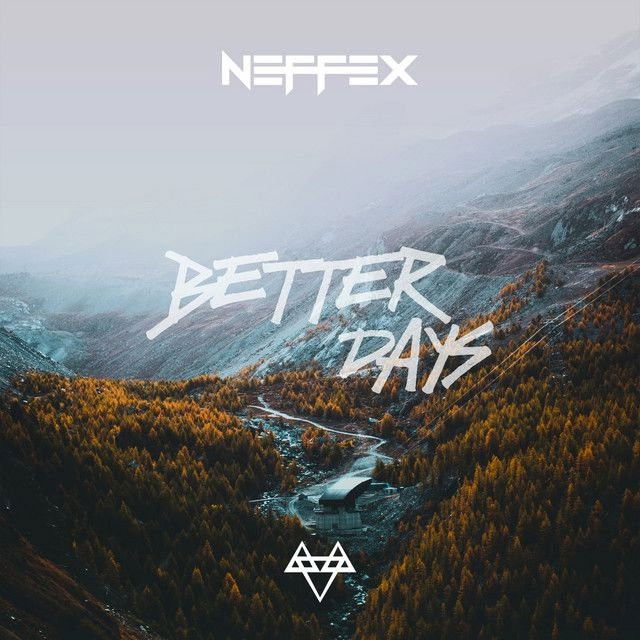
Why 'Better Days' by NEFFEX Hits So Hard
The meaning of Better Days NEFFEX comes from a feeling many listeners know well: being exhausted, stuck, and unsure how to fix it, while still wanting life to improve. The song is not built around a big plot twist. Instead, it works like an inner monologue that slowly turns from panic into cautious hope.
"Better Days" - NEFFEX
Late at night, not okay
All I want and I pray
Loading lyrics...
Unable to load lyrics
We're unable to display the lyrics at this time. Please try again later.
They present struggle in plain language. That direct style is a big reason the song connects. Rather than hiding pain behind abstract poetry, it names confusion, pressure, and the wish for relief in a way that feels immediate.
A Song About Survival, Not Perfection
At its core, the track is about wanting emotional stability more than success. The repeated wish for better days
is simple, but that simplicity matters. They are not asking for fame, romance, or revenge. They are asking for peace.
The opening idea of living every day while feeling not okay
sets the tone fast. The song frames daily life as something they are still managing to do, even when their mind is heavy. That gives the chorus a survival-minded meaning: getting through the present is already an achievement.
Interpretation: This is why the song feels motivational without sounding fake. It does not promise instant healing. It only insists that a better state is possible.

Watch the official Better Days
music video
The Mirror, the Fog, and the Split Self
One of the most revealing moments comes with the image of looking inward and seeing life more clearly at the same time. The phrase lookin' in the mirror
points to self-examination, but the song does not make that process comforting.
Instead, they describe a mind that can see the problem yet still feels trapped by it. The line about being their own worst enemy
captures the song’s main conflict: the hardest battle is not with another person, but with their own habits and thoughts.
This is where the emotional honesty lands hardest. They admit that help is complicated. Part of them wants change, but part of them resists it. That contradiction feels true to real mental and emotional struggle.
How the Verses Move From Panic to Perspective
The track follows a clear emotional path:
- They begin in distress, describing late-night pain and mental pressure.
- They admit self-sabotage and confusion about whether they even want rescue.
- They pause and try to reframe life through gratitude and mindset.
- They widen the message, saying each person may need a different route to happiness.
That shift is important. Early on, the song sounds boxed in by chest-tightening anxiety. Later, it opens up into advice. The move from crisis to reflection gives the song its arc.
A key phrase is change my mindset
. In context, it does not mean pretending everything is fine. It means trying to interrupt destructive thinking before it becomes identity. That makes the song less about denying pain and more about managing it.
The Chorus Turns a Personal Struggle Into an Anthem
The chorus is catchy, but its meaning stays grounded. By repeating the same need again and again, the song mirrors how people often talk to themselves in hard periods. They keep returning to one basic wish because it is the most honest one.
This is also why the hook feels communal. Even though the verses are personal, the chorus is broad enough for almost anyone to step into. They turn private stress into a shared hope.
Interpretation: The repetition works like self-encouragement. Saying they believe in better days is not proof that they already feel better. It is closer to a choice to keep believing when certainty is missing.
The Second Verse Expands the Message
The second verse gives the song more depth by asking what a good life even looks like. They weigh hustle against rest, pleasure against responsibility, and youth against long-term stability. The song refuses a one-size-fits-all answer.
That matters because it keeps the message from becoming shallow. Instead of offering one formula for happiness, they say people need different things: work, fun, purpose, or love. The advice to trust instinct suggests that healing is personal, not standardized.
This section also adds realism. They do not suddenly become wise and calm. They are still figuring it out in real time. That uncertainty makes the song feel more believable.
Why the Sound Makes the Lyrics Stronger
NEFFEX are known for high-energy music that mixes rap, rock, and electronic elements, a style reflected across their official releases on their YouTube channel and streaming profiles. In this song, that approach matters.
The instrumental is upbeat and polished, which creates a useful contrast with the lyrics. The beat pushes forward even when the words describe feeling stuck. That tension between sound and message helps the track feel like motion inside a bad mental state.
Vocally, the delivery balances strain and confidence. They do not sound fully defeated, but they do not sound fully healed either. That in-between tone is exactly where the song lives.
Artist Context and Writing Credit
Based on the information provided here, Brandon Christopher Horth is credited as the writer of the song. That matters because the lyric voice feels closely tied to NEFFEX’s broader brand: music aimed at endurance, discipline, and self-belief.
Within that context, “Better Days” stands out because it shows the vulnerable side of motivation. It is not just about grinding harder. It is about admitting the mind can become the obstacle.
Final Take on the Meaning
The meaning of Better Days NEFFEX is the struggle to hold onto hope while dealing with inner chaos. It captures the moment when someone is still hurting but starts choosing a healthier perspective anyway.
That is why the song lasts with listeners. It does not sell a fantasy. It says improvement may start with honesty, then gratitude, then one small mental shift at a time.
Disclaimer: This interpretation is based on the lyrics provided, the song’s performance style, and publicly available artist context. Meaning can vary by listener.








