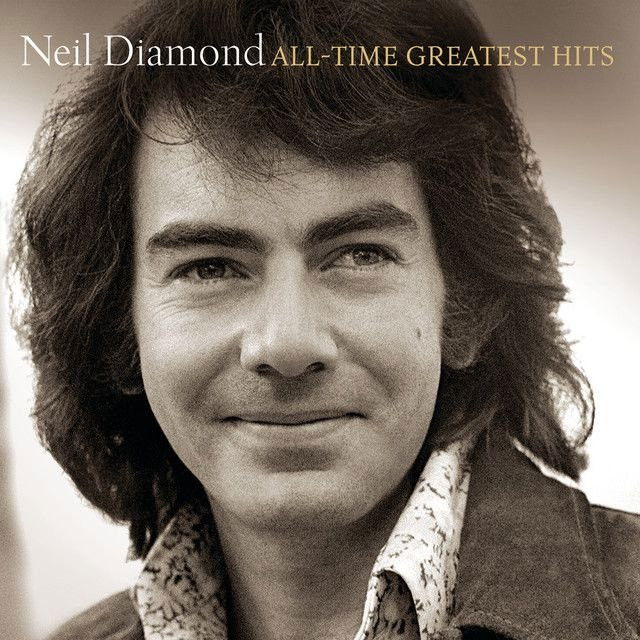
I Am...I Said by Neil Diamond
Why This Song Still Feels So Personal
The meaning of I Am...I Said Neil Diamond comes down to a simple but powerful idea: a person can be successful, grown, and admired, yet still feel unsure of who they are. Neil Diamond turns that feeling into a plainspoken confession. The song is not just about moving between coasts. It is about being emotionally stranded between versions of the self.
"I Am...I Said" - Neil Diamond
And the feeling is "lay back"
Palm trees grow and rents are low
Loading lyrics...
Unable to load lyrics
We're unable to display the lyrics at this time. Please try again later.
Released as a single on March 15, 1971, and later included on Stones, the song was written by Neil Diamond and produced by Diamond with Tom Catalano. It became a major hit, reaching No. 4 on the Billboard Hot 100, according to the research data provided. That popularity makes sense. The words are specific to Diamond’s life, but the feeling is broad enough for almost anyone who has felt displaced.
Watch the official I Am...I Said
music video
Between Two Shores, Between Two Selves
The verses set up a conflict between Los Angeles and New York. On the surface, L.A. seems easy and attractive. But the singer cannot settle there. They keep thinking about going back, yet home does not feel fully available anymore either. That emotional split is captured in the phrase lost between two shores
.
This is why the song hits harder than a simple homesick ballad. The speaker is not choosing between two cities. They are choosing between past and present, roots and reinvention, success and belonging. New York is where they were formed. L.A. is where they are living and working. Neither place gives complete peace.
Interpretation: the cities also stand for identity itself. One is memory; the other is ambition. The pain comes from discovering that neither one can fully answer the question of who they are now.
The Chorus Is a Cry for Existence
The emotional center of the song is the repeated self-declaration I am
. That sounds strong at first, almost philosophical. But Diamond places it in a scene of silence. The narrator says it to no one there
, and the statement falls flat instead of becoming triumphant.
I am... I cried
I am... said I
That tiny multi-line moment shows the song’s central paradox. The speaker is trying to assert existence, but the need to repeat it makes them sound fragile rather than certain. They are declaring themselves because they do not feel secure.
The strange image of not even the chair
pushes that loneliness almost into absurdity. Some critics have mocked that line, but its oddness is part of the point. Isolation can make a room feel dead. The singer is so alone that even furniture becomes part of the silence.
Success Did Not Solve the Problem
One of the smartest parts of the lyric is the frog who dreamed of becoming a king. The image sounds playful, but its message is bitter. The narrator got what they wanted. They rose, succeeded, and became important. Yet the emptiness remained.
That is why the song has often been read as a meditation on fame versus authenticity. The provided research notes that Diamond linked the song to therapy in Los Angeles and said it was an attempt to express what he was about and to find himself. Those comments matter because they support the idea that this was not abstract writing. It came from real self-examination.
Interpretation: the frog-to-king image suggests that ambition can transform status without healing the inner self. The dream comes true, but the dreamer still feels unanchored.
How the Sound Carries the Ache
Musically, the song helps deliver that emotional conflict. It sits in a polished pop-rock setting, but the arrangement does not feel flashy. Instead, it gives Diamond room to move from conversation to ache. The verses are measured and reflective, then the chorus opens up into a stronger, more pleading vocal line.
That rise matters. The production supports the lyric’s journey from observation to emotional exposure. In the verses, the narrator sounds like someone talking through a problem. In the chorus, they sound like someone breaking under it.
Diamond’s vocal performance is key. He does not sing the title phrase as a cool statement. He leans into it until it sounds raw, almost desperate. The result fits later descriptions in the research that called the song emotionally turbulent and confessional. It belongs to the early-1970s singer-songwriter wave, but it also feels theatrical in a way that makes the pain larger.
Why Listeners Keep Returning to It
The song lasts because it names a feeling many people struggle to explain. They may have left home, changed careers, found success, or entered a new phase of life, only to discover that their inner life did not catch up. The line about being unable to say why they are lost is crucial. Sometimes alienation has no neat cause.
That is also why the meaning of I Am...I Said Neil Diamond remains so compelling in the United States, where movement and reinvention are often celebrated. The song quietly asks what happens after the move, after the success, after the dream. What if the self is still unsettled?
A Clear Takeaway on the Song’s Meaning
At heart, “I Am...I Said” is about a person trying to prove their own existence to themselves. It frames homesickness, fame, and adulthood as parts of a deeper identity crisis. The singer is not only lonely in a city. They are lonely inside their own life.
That honesty is what gives the song its force. It sounds simple, but it reaches toward something hard to say: the fear that even after becoming who they wanted to be, they may still not know who they are.
Disclaimer: This interpretation blends confirmed background information with informed reading of the lyrics and performance. Like most songs, “I Am...I Said” can support more than one valid meaning.








