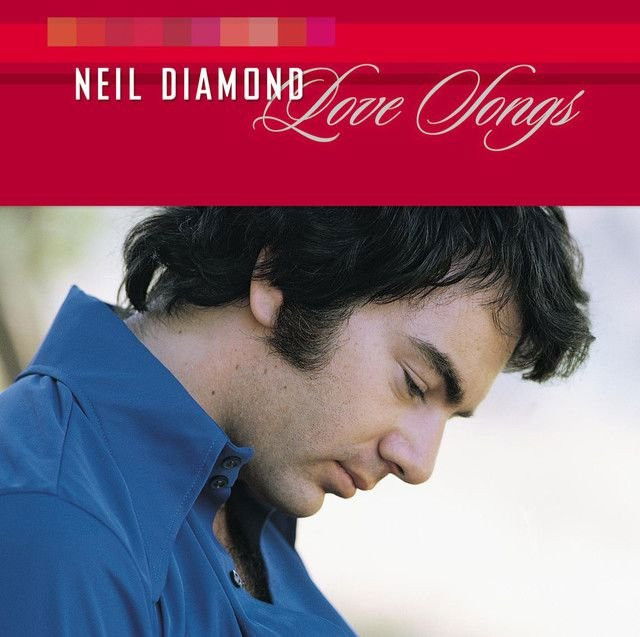
Stones by Neil Diamond: Pain, Comfort, and Coming Home
For listeners searching for the meaning of Stones Neil Diamond, the song lands as a small, sorrowful ballad about emotional pain and the hope of relief. It is not really about literal stones. It uses that image to describe hurt that feels heavy, cold, and impossible to ignore.
"Stones" - Neil Diamond
And where she slept, they made her bed.
And she would ache for love and get
Loading lyrics...
Unable to load lyrics
We're unable to display the lyrics at this time. Please try again later.
Neil Diamond himself gave the clearest factual clue. In 1971, he called it a “desperate love song” and said that stones meant “things that hurt people, things that cause pain,” according to Songfacts. That statement matters because it points the song away from mystery for mystery’s sake. The center is heartbreak.
The Heart of the Song Is Emotional Weight
The song opens with a woman whose inner life is filled with pain. When the lyric says play inside her head
, it suggests suffering that is mental as much as physical. These “stones” are not outside her. They live in her thoughts, shape her sleep, and affect what love feels like.
That is why one of the saddest ideas in the song is that she reaches for love and receives only stones
. In plain terms, she wants tenderness but gets hurt instead. The image is simple, but it is strong. A stone has no warmth, no softness, and no reply. It is the opposite of comfort.

Watch the official Stones
music video
A Desperate Love Song With a Gentle Promise
Diamond’s own description of the track as desperate fits the way the song moves. It starts in pain, but it does not stay there. A second voice, or at least a second emotional posture, enters with reassurance. Someone tells this wounded person that a better day is coming.
The key phrase is a good day's comin'
. That line changes the emotional weather. Instead of only describing damage, the song begins to offer shelter. The promise to let the sun in
makes the song feel like a hand reaching through grief.
Interpretation: This shift suggests that the song is not only about suffering in love. It is also about what faithful love can do in response to suffering. The answer to the stones is not revenge or escape. It is patience, presence, and warmth.
Why “Home” Matters So Much
The repeated idea of coming home is one of the most important parts of the song. In everyday language, home means safety, belonging, and rest. Here, it feels emotional rather than geographic.
When the song says being lost is worth the coming home, it reframes pain as part of a larger journey. Hardship is not praised for its own sake. Instead, the lyric suggests that struggle can make reunion, healing, or trust feel deeper.
And bein' lost is worth the comin' home
That short passage works like the song’s thesis. It says the pain has meaning if it leads to a real place of love and peace.
The Story Inside the Images
One reason the meaning of Stones Neil Diamond stays with people is that the song avoids a detailed plot. Instead, it gives a chain of images:
- hurt filling the mind
- a bed made by pain
- love answered with hardness
- a promise of sunlight
- planting and harvest
- wildflowers growing anyway
These images build a movement from damage to renewal. The farming language is especially important. When the song mentions a time for planting
and a shared harvest, it imagines love as work that takes time. Growth does not happen in one dramatic moment. It happens slowly, through care.
Wildflowers, Prayer, and Renewal
Near the end, the song softens even more. The pair are described as something like living things that grow in rough ground. That matters because wildflowers are not fragile in the usual sense. They survive without perfect conditions.
Interpretation: This may be the song’s most hopeful idea. Even after pain, love can still grow in damaged soil. The people in the song do not become polished or invincible. They simply keep growing.
The reference to every prayer ever prayed lifts the song into a spiritual register without tying it to one doctrine. It makes the relationship feel larger than romance alone. The longing becomes almost universal: everyone wants relief from pain, and everyone wants a place to belong.
How the Sound Supports the Meaning
“Stones” appeared on Diamond’s 1971 album Stones, released on November 5, 1971, with production by Tom Catalano and Neil Diamond, according to Wikipedia. The album reached No. 11 on the Billboard 200 and was certified Gold in the United States, facts that help place the song in an important period of Diamond’s early-1970s run.
Musically, the song fits that era’s polished pop-ballad style. The arrangement is gentle, the tempo is measured, and the vocal delivery carries strain without becoming theatrical. That balance matters. If the performance were too big, the song could feel melodramatic. Instead, it sounds intimate, which makes the pain feel personal and believable.
The likely effect of the strings and soft accompaniment is to cushion the lyric’s hard image. The music does what the narrator tries to do: soften the blow of the stones.
Reception and Why the Song Endures
Contemporary trade reviews noticed the song’s craft. Wikipedia quotes Billboard calling it “exceptional ballad material,” while Cash Box praised its image-heavy writing. Those responses make sense because the song succeeds through compression. In about three minutes, it sketches pain, consolation, and renewal.
It also reached No. 14 as a single, per Songfacts, showing that its quiet sadness still connected with a broad audience.
Final Reading: What “Stones” Ultimately Means
The simplest reading is still the best one: this is a song about emotional hurt and the promise that love can answer it. The stones are wounds, rejection, and the hard things people carry in their minds. The promise of sun, harvest, and home is the answer.
Interpretation: Listeners can also hear the song as a broader statement about surviving life’s harshness, not just romance. Either way, its message is compassionate. It sees pain clearly, but it refuses to let pain have the last word.
Disclaimer: This interpretation is based on the released lyric, documented comments from Neil Diamond, and the recording’s musical context. Like most songs, “Stones” can support more than one reasonable reading.







