Why "Heart of Gold" Still Feels So Human
The meaning of Heart of Gold Neil Young starts with a simple idea: they are singing about the long search for something pure. That could be love, kindness, honesty, or even peace with the self. What makes the song enduring is how plainly it says that need, while also admitting how hard it is to find.
"Heart of Gold" - Neil Young
I want to give
I've been a miner
Loading lyrics...
Unable to load lyrics
We're unable to display the lyrics at this time. Please try again later.
Released on Harvest in 1972, the song became Neil Young’s only No. 1 hit in the United States, a fact widely noted in coverage of the track’s legacy. It was written during the early Harvest sessions in Nashville, and its gentle acoustic feel was shaped in part by Young’s back injury, which limited how they could play at the time and pushed the music in a softer direction (American Songwriter).
A Search Song Disguised as a Love Song
On the surface, the song sounds like a plea for a rare, good-hearted person. The famous phrase heart of gold
points to someone generous, emotionally open, and deeply sincere. But the song reaches beyond romance.
The opening desire to live fully and give freely makes the search feel moral as much as romantic. When the narrator says they have been a miner
, the image turns love into labor. They are not casually hoping for something better; they are digging for it, working for it, and wearing themselves out trying to find it.
Interpretation: This makes the song less about one perfect partner and more about the human wish to locate goodness in a world that often feels mixed, guarded, or disappointing.

Watch the official Heart of Gold
music video
The Hidden Pain Beneath the Warm Melody
One of the song’s most revealing ideas is the admission that some feelings stay unspoken. The line about these expressions
they never give shifts the song from hopeful to quietly regretful. The search may not only be about what is out there. It may also be about what they themselves have failed to share.
That detail matters. It suggests that the missing “heart of gold” is not just lost in the world; it may be blocked by emotional hesitation. In other words, the song recognizes a painful truth: people often want deep connection while also struggling to be fully open.
I've been in my mind
It's such a fine line
That brief moment captures how inward the song becomes. The narrator is traveling through places, but they are also traveling through thought, memory, and self-doubt.
Places, Distance, and the Feeling of Restlessness
The song names wide spaces and famous places, including Hollywood, Redwood, and crossing the ocean. Those references make the search feel large and almost mythic. They have looked everywhere: glamorous places, natural places, and inner places.
Still, nothing fully solves the longing. That is why the repeated phrase getting old
hits so hard. It introduces time as the song’s silent pressure. This is not just about desire; it is about the fear that life is moving on before the search is complete.
Interpretation: The journey across landscapes may reflect the American dream of reinvention, but the song gently questions whether moving from place to place can ever fix an inner need.
How the Sound Carries the Meaning
A big reason the song feels so intimate is its arrangement. Young’s thumb-led acoustic strum and harmonica give it a homespun, front-porch honesty. The track also features backing vocals from James Taylor and Linda Ronstadt, who were brought into the session in Nashville, helping create its warm, communal sound (American Songwriter).
Nothing in the production sounds flashy. That restraint is crucial. The softness lets the vulnerability stand out. Instead of dramatizing the search, the music makes it feel ordinary and human, like a confession shared with friends.
This also explains why the song reached such a wide audience. Its message is personal, but its sound is welcoming. Listeners do not need to decode a complicated story to feel what it means.
Success, Irony, and Neil Young’s Own View
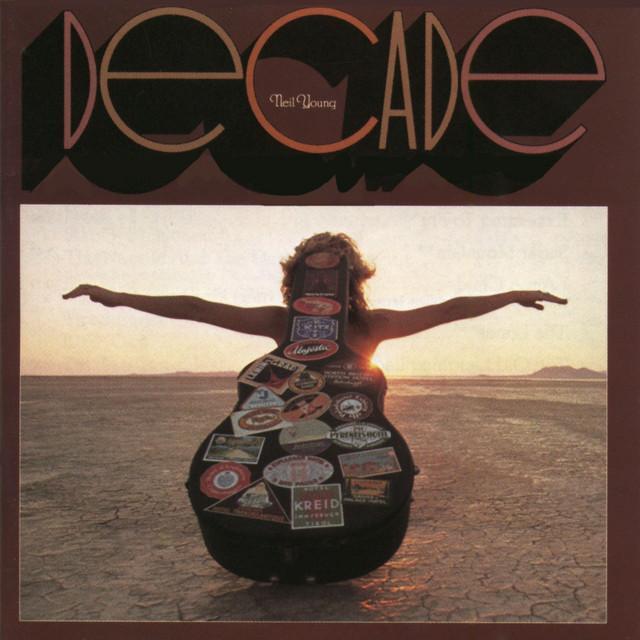
There is an interesting twist in the song’s history. Even though “Heart of Gold” became Young’s biggest U.S. hit, they later looked back on that success with mixed feelings. In the liner notes to Decade, Young wrote that the song put them in the middle of the road
, and they soon preferred the artistic “ditch” instead, where the ride was rougher but more interesting, as quoted by American Songwriter.
That comment helps frame the song’s legacy. It was mainstream, but it was not shallow. In fact, part of its power comes from its tension between accessibility and unease. The melody is comforting; the message is not. They are still searching, still aging, still unsure.
Why the Song Endures
The meaning of Heart of Gold Neil Young lasts because it speaks to a common contradiction. People want tenderness, truth, and connection, yet they often hide parts of themselves while looking for those very things in others.
The song never fully resolves that tension, and that is why it feels real. Its beauty lies in the fact that the search continues.
Final Thought
“Heart of Gold” is best heard as a song about longing for real goodness, whether in another person, in life, or within the self. Interpretation: Its lasting message is that the search itself can define a person just as much as whatever they hope to find.
Disclaimer: This interpretation is based on the song’s lyrics, recording context, and public commentary, but meaning in music can remain personal and open to debate.








