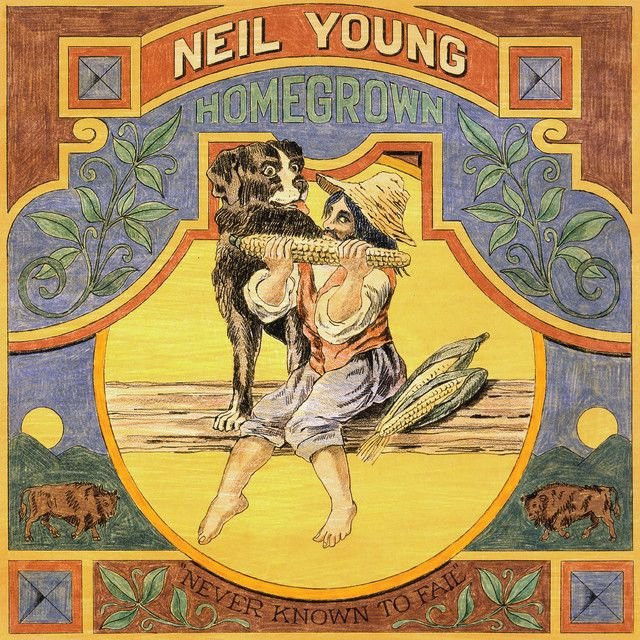
Vacancy by Neil Young
Neil Young’s “Vacancy” sounds simple at first: a few blunt questions, a sharp hook, and a rough-edged groove. But the meaning of Vacancy Neil Young goes deeper than a breakup complaint. It captures the strange moment when someone familiar starts to feel unreadable, copied, or emotionally absent.
"Vacancy" - Neil Young
Where are you goin' to?
What's your name?
Loading lyrics...
Unable to load lyrics
We're unable to display the lyrics at this time. Please try again later.
Released in 2020 on Homegrown, though recorded in 1975, the song arrived with extra weight because that album had been shelved for 45 years. Young later described Homegrown as the sad side of a love affair
, which gives “Vacancy” an important frame: this is not casual frustration, but hurt turning into suspicion and confusion.
The Heart of the Song: Presence Without Connection
At its core, “Vacancy” is about emotional disappearance. The narrator is physically near another person, but they cannot truly find them. The opening questions — like Who are you?
and What’s your name?
— sound less like small talk and more like panic. They suggest that the person in front of them has changed so much that they no longer seem recognizable.
That is why the title matters. “Vacancy” implies an empty room, an unoccupied space, or a blank expression. The song turns that idea into a relationship crisis. The narrator is not just lonely; they are dealing with someone who seems present on the outside and gone on the inside.
Interpretation: The target may be a former lover who has become distant, emotionally numb, or performative. Instead of warmth, the narrator meets a mask.
Watch the official Vacancy
music video
A Love Triangle or a Split Identity?
One of the song’s most interesting details is its comparison between two female figures. The narrator complains that one person dress[es] like her
and seems to echo another woman’s speech and style. This makes the song feel unstable in a useful way.
There are two strong readings:
- Romantic rivalry. The narrator may be speaking to a rival or replacement figure, someone imitating the woman they truly want.
- A changed lover. The narrator may be speaking to the same partner, but describing her as if she has become someone else.
That second reading fits the song’s emotional force especially well. When heartbreak is fresh, people often talk as if the person they loved has vanished. The line about a long, vacant stare
supports that feeling. The problem is not only betrayal; it is the shock of no longer recognizing someone.
How the Verses Build Unease
The verses move through short, cutting observations. The narrator sees mixed signals, asks whether this person is a friend or enemy, and wonders if peace is even possible. The language is plain, but that plainness gives the song its edge.
A key line comes when the narrator says they need another girl like the night needs the day
. It is a dramatic comparison, but it tells readers exactly how high the stakes feel. They are not annoyed; they are desperate for balance, relief, and reunion.
Then comes the song’s sharpest emotional turn: the narrator says they do not need this person gettin' in my way
. That phrase makes “Vacancy” more than a sad song. It becomes defensive. Hurt has turned into resistance.
Why the Repeated Chorus Hits So Hard
The chorus does not explain; it reduces. Repeating Vacancy
again and again works like a diagnosis, or maybe an accusation. After all the questions in the verses, the narrator lands on one answer: emptiness.
Interpretation: The repetition may reflect obsession. When someone cannot make sense of another person’s behavior, they often return to one charged word and keep circling it. Here, the hook sounds almost hypnotic, as if the narrator is trying to convince themselves that the emotional void is real.
The Homegrown Context Changes the Meaning
Facts around the song matter. “Vacancy” was written in Amsterdam after the last CSNY tour date at Wembley, then recorded at Broken Arrow Ranch on January 4, 1975 for Homegrown. The released version features Young on guitar, vocal, and harmonica, with Ben Keith on lap slide guitar, Tim Drummond on bass, Karl T. Himmel on drums, and Stan Szelest on Wurlitzer electric piano. It was finally issued on June 10, 2020 ahead of the album’s June 19 release.
That history matters because Homegrown is closely tied to the collapse of Young’s relationship with Carrie Snodgress. Young later said the album was too personal and that it scared me
. He also called it the sad side of a love affair
. With that context, “Vacancy” feels like a snapshot from the point where grief becomes alienation.
How the Sound Carries the Meaning
Musically, “Vacancy” is lean but restless. The Wurlitzer gives it a wiry, nervous pulse, while the lap slide adds a bruised country-rock ache. The rhythm section keeps the song moving forward, which creates a useful contrast: the narrator feels emotionally stuck, but the band keeps pushing.
Young’s vocal is a big part of the meaning too. He does not oversing the lines. Instead, he sounds direct and irritated, which makes the confusion feel lived-in rather than theatrical.
Research on the song’s recording history also notes an earlier Crazy Horse attempt that was heavier and more chaotic. The released Homegrown cut is more controlled, and that control works in the song’s favor. It lets the unease come through clearly.
Final Take on “Vacancy”
The meaning of Vacancy Neil Young is the pain of confronting emotional emptiness in someone once loved or trusted. Its power comes from how little it decorates that feeling. The song asks blunt questions, spots imitation and distance, and finally names the void.
That makes “Vacancy” one of the sharper songs on Homegrown: not just sad, but unsettled, jealous, and psychologically slippery.
Disclaimer: This interpretation is based on the lyrics, confirmed release context, and documented comments from Neil Young, but song meaning remains open to listener interpretation.








