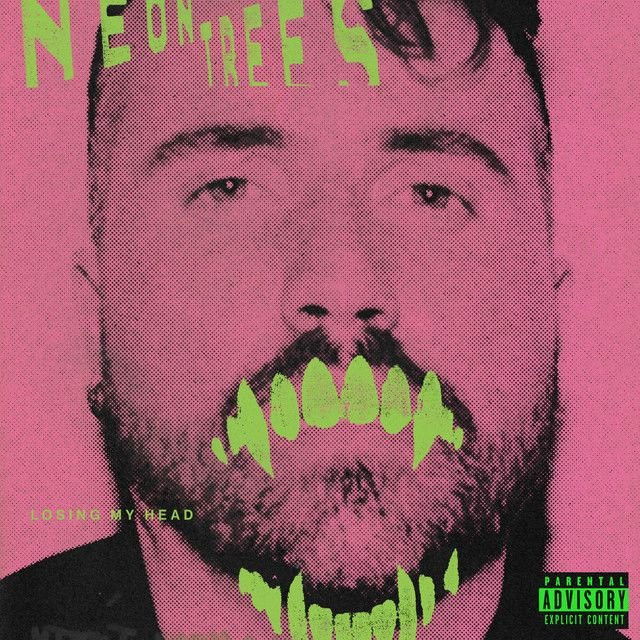
Losing My Head by Neon Trees
Neon Trees turn a breakdown into a compass. In “Losing My Head,” the narrator treats chaos like therapy, using risky choices to burn through fear and find a sharper self. For readers searching for the meaning of Losing My Head Neon Trees, this is a pop confession about control, compulsion, and the strange calm that follows a storm.
"Losing My Head" - Neon Trees
Dispose of old ones like a box full of toys
I understand the mentality lately
Loading lyrics...
Unable to load lyrics
We're unable to display the lyrics at this time. Please try again later.
The meaning in one breath: peril as a path back
At its center, the song argues that disorientation can be cleansing. The repeated hook—“found my way back by” losing my head
—turns collapse into strategy. They suggest that when careful plans fail, embracing the mess can reboot a life stuck on fear and second-guessing.
This is not pure nihilism. It’s a calculated flirtation with danger. By naming the impulse, the narrator claims authorship over it, as if to say: If they choose the spiral, the spiral can’t choose them.
The crash that becomes a compass
The verses inventory messy habits: swapping friends like trends, torching what no longer fits, and masking closeness with distance. The line about adoring someone, then “ignoring” them, shows a cycle of clinging and retreat. That tension peaks when they admit that half of life feels uncomfortable—so discomfort becomes the teacher.
On the brink, they’re out on the edge
and seeing red
. The red isn’t only anger; it’s alarm, lust, and the glare of a warning light. In that mood, better judgment blurs into thrill—yet there’s purpose underneath. The rush is a tool for cutting ties with fear and with the roles others assign.
The hook’s paradox, explained
The chorus flips sacred and profane: the closer they get to bliss, the more they’re chasing hell tonight
. Interpretation: relief can be boring when a nervous system is wired for spikes. If serenity feels foreign, intensity can masquerade as truth. The refrain sells that paradox with a chant that tastes like victory even as it hints at fallout.
Symbols in the undertow
Water is the most telling image. High water, swim harder
frames adversity as exercise: the tide rises, so they kick stronger. “Edge” imagery marks a threshold, not just a cliff—standing where change is possible.
There’s also a cultural sting. When they repeat, Modern culture is a common regret
, it sounds like a hangover from speed-swipes, clout-chasing, and curated feelings. Interpretation: the song critiques disposability—of relationships, identities, even patience—while confessing participation in the same churn.
The burn-it-down thread returns often. Purging “to make way” signals renovation, not only ruin. The narrator accepts collateral damage to clear space for a truer self.
How the sound carries the spiral
Neon Trees play tension against gloss. The arrangement leans on a tight drum pulse, a rubbery low end, and bright, stacked vocals in the hook. Synth textures flicker like hazard lights, and the chorus opens wide for a shout-along release. Those production choices mirror the lyric’s swing between control and chaos: concise verses act like measured breaths; the explosive hook feels like ripping off the brake.
Tyler Glenn’s delivery sits between bite and balm. Words are clipped in the verses and stretched in the chorus, underscoring the move from restraint to overflow. Even without knowing the backstory, the performance reads as catharsis—a polished surface sweating with urgency.
Who’s talking in the wreckage?
The narrator speaks in first person but toggles to “you,” which sounds like a partner, a friend circle, and the mirror. Telling someone “you need new friends” also indicts the speaker’s own patterns. That reflective address is a classic pop-confessional move: aim the lines outward to land them inward.
The references to pleasure—blunt, owned, and boundary-aware—signal agency more than shock value. They sketch a character who rewrites shame scripts by naming desire plainly, then deciding what it means.
Alternate routes through the song
- Interpretation: a toxic-love cycle. The rush (“edge,” “red,” “hell”) stands in for repeating fights and reconciliations, where danger feels like proof of passion.
- Interpretation: culture-burnout detox. Trading friends, torching routines, and regretting “modern culture” read as a break from the social feed and the performance of perfection.
Both readings share a thesis: risk is the ritual, and clarity is the prize.
Quick takeaway
For anyone asking about the meaning of Losing My Head Neon Trees, the song frames reckless nights as a strangely disciplined act: choose the plunge to escape paralysis. It’s a glittery, gut-level reminder that sometimes the only way out of a maze of fear is straight through the noise.
Disclaimer: Song interpretations are subjective. This analysis reflects one informed reading of the lyrics and sound, not definitive artist intent.








